How To Reduce Your Water Bill In Australia
Water bills are becoming increasingly expensive for many Australian households, especially with rising utility costs, changing weather conditions and growing household water usage. The good news is that reducing your water bill often comes down to identifying hidden plumbing issues, improving water efficiency and making a few smarter choices around the home.
At Celsius Plumbing, one of the most common things we see during plumbing inspections across the Sunshine Coast is homeowners unknowingly wasting thousands of litres of water every year through hidden leaks, ageing plumbing fixtures and excessively high water pressure. In many cases, people don’t realise there’s a problem until they receive a much larger-than-normal quarterly bill.
The reality is that even small plumbing issues can quietly waste huge amounts of water over time.
In this guide, we’ll cover practical plumber-approved ways to reduce your water bill while improving the efficiency of your home’s plumbing system.
Why Is My Water Bill So High?
A sudden increase in your water bill is often a sign that something within your plumbing system is not working efficiently.
Some of the most common causes of high water bills we see include:
- Leaking toilets
- Dripping taps
- Hidden underground leaks
- High water pressure
- Inefficient hot water systems
- Outdoor irrigation leaks
- Old plumbing fixtures
- Excessive water usage habits
Many of these problems go unnoticed for long periods because they don’t always create obvious signs of damage straight away.
The Most Common Causes Of High Water Bills We See
At Celsius Plumbing, some of the most common causes of excessive water usage we identify during inspections include leaking toilet cisterns, faulty pressure limiting valves and hidden underground pipe leaks.
Older homes are particularly prone to:
- Worn plumbing fittings
- Corroded pipework
- Inefficient fixtures
- Failing valves
- Ageing hot water systems
In many cases, homeowners are shocked to discover how much water is being wasted without them realising.
| Plumbing Issue | Approximate Water Wasted |
|---|---|
| Dripping tap | Up to 20,000 litres per year |
| Running toilet | Up to 750 litres per day |
| Small underground leak | Thousands of litres per week |
| Leaking showerhead | Hundreds of litres weekly |
The longer these problems are left unresolved, the more expensive they become.
Fix Plumbing Leaks As Early As Possible
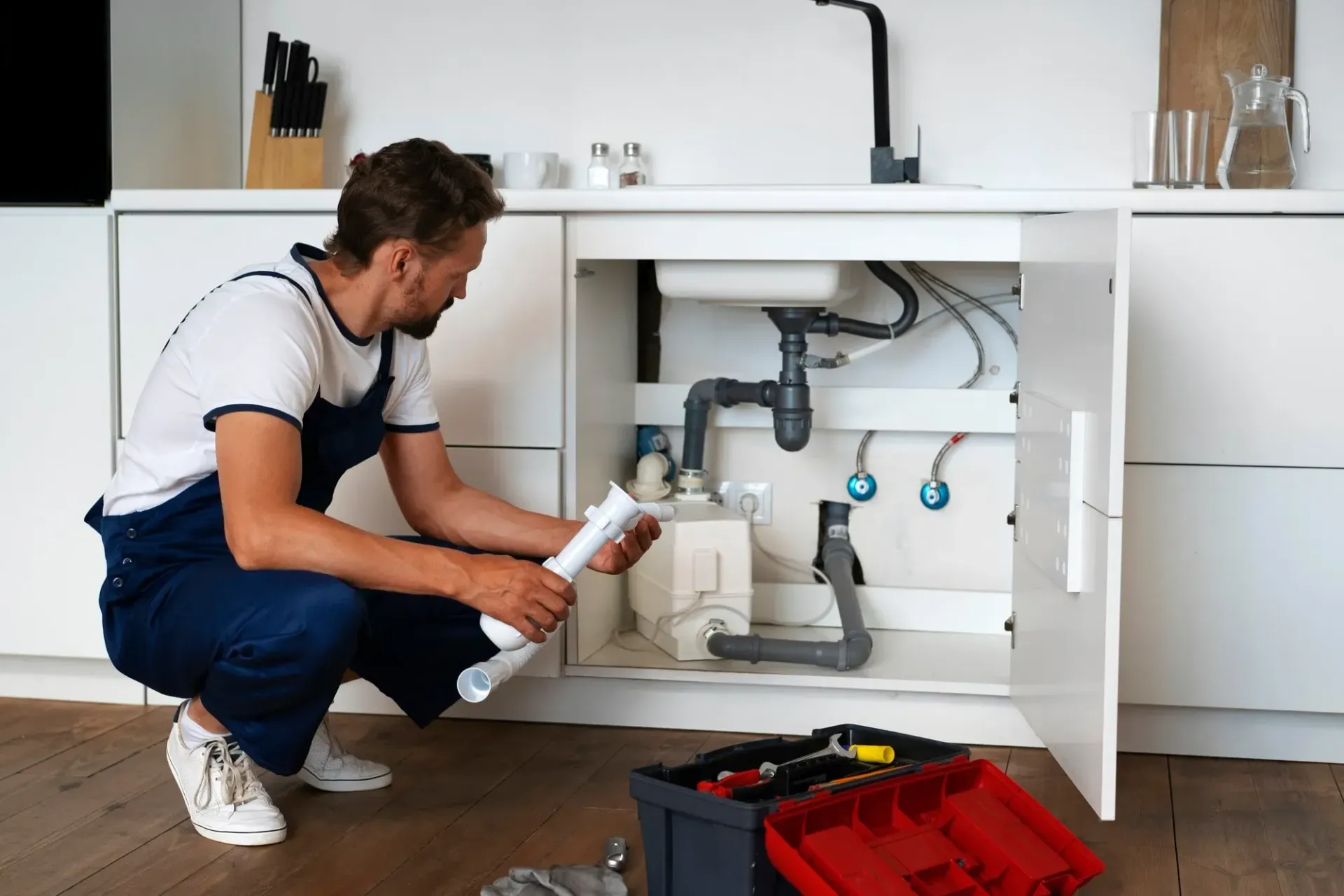
Leaks are one of the biggest causes of unnecessary water waste in Australian homes. While some leaks are obvious, others remain hidden for months behind walls, underground or inside toilet systems.
Dripping Taps
A dripping tap might not seem serious, but over time it can waste thousands of litres of water.
Common causes include:
- Worn washers
- Faulty cartridges
- Corroded fittings
- Excessive water pressure
Fixing a dripping tap early is one of the easiest ways to reduce ongoing water waste.
Leaking Toilets
Leaking toilets are one of the most common hidden causes of high water bills.
A faulty inlet valve or worn internal seal can cause water to continuously flow into the toilet bowl without making much noise.
Simple Toilet Leak Test
Place a few drops of food colouring into the toilet cistern and wait 10–15 minutes without flushing. If coloured water appears in the bowl, there’s likely a leak that should be repaired.
Hidden Underground Leaks
Underground leaks can waste enormous amounts of water before they’re discovered.
Warning signs may include:
- Unusually high water bills
- Damp patches in the yard
- Reduced water pressure
- Constant water meter movement
- Soft or soggy ground
Professional leak detection equipment can help locate hidden leaks without unnecessary excavation.
Does High Water Pressure Increase Water Bills?
Yes — excessive water pressure is a surprisingly common contributor to high water usage.
Many homeowners assume stronger pressure is better, but overly high pressure often causes:
- Increased water consumption
- Premature plumbing wear
- Leaking taps
- Pipe damage
- Reduced appliance lifespan
At Celsius Plumbing, we regularly find homes with pressure levels far above what’s actually necessary.
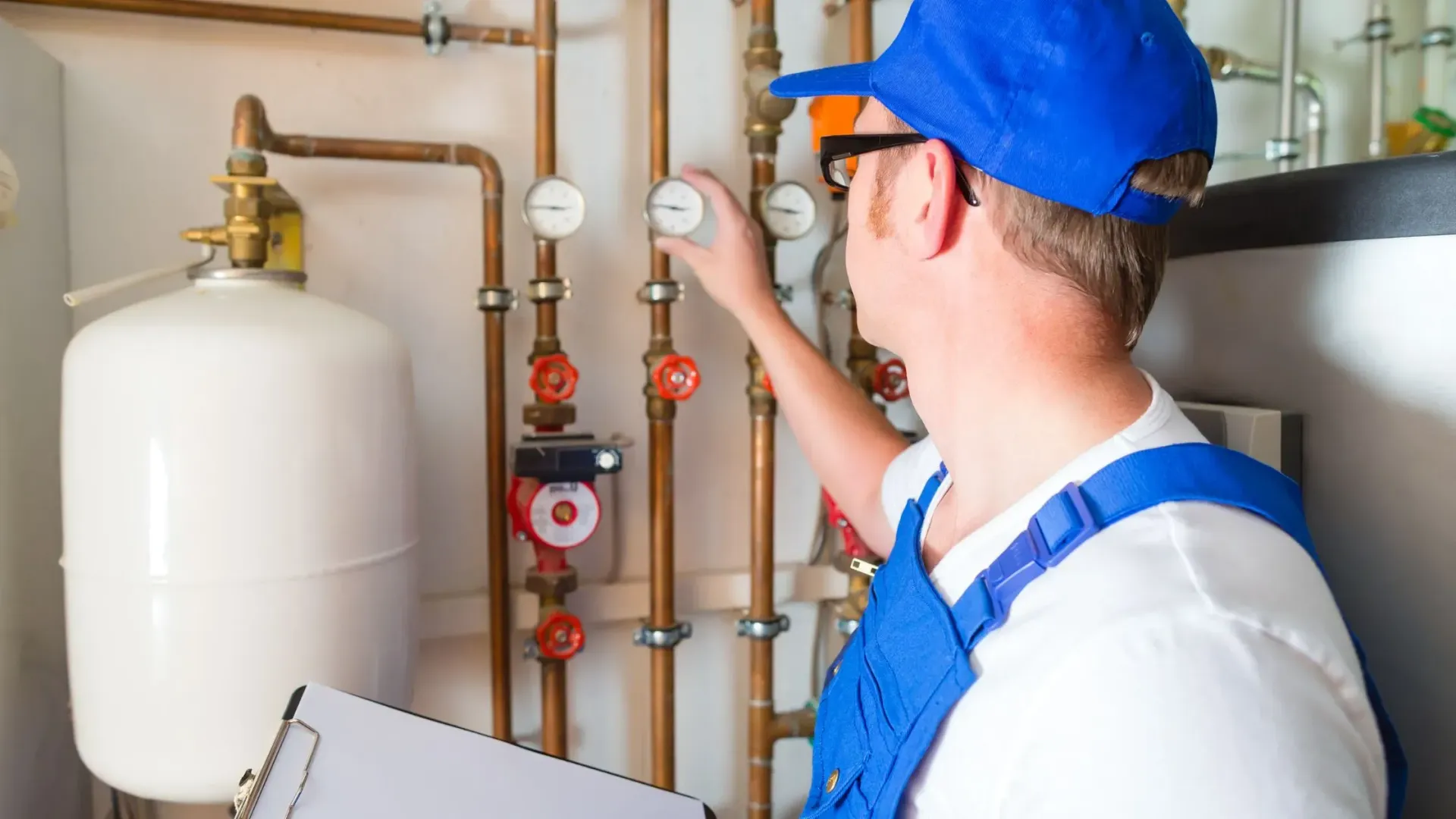
Pressure Limiting Valves (PLVs)
A pressure limiting valve helps regulate the amount of pressure entering your home.
Installing or adjusting a PLV can:
- Reduce unnecessary water usage
- Protect plumbing fixtures
- Extend appliance lifespan
- Lower the likelihood of leaks
Install Water-Efficient Plumbing Fixtures
Modern plumbing fixtures are designed to reduce water usage without sacrificing performance.
Upgrade To Water-Efficient Showerheads
Older showerheads can use more than 15 litres of water per minute. Modern water-efficient showerheads can significantly reduce water usage while still maintaining good pressure.
For families, this can lead to major long-term savings.
Install Tap Aerators
Tap aerators mix air into the water stream, helping reduce flow while still maintaining usability.
They’re affordable, effective and easy to install.
Upgrade Older Toilets
Older single-flush toilets use substantially more water than modern dual-flush systems.
Dual-flush toilets allow you to select:
- Half flushes for liquid waste
- Full flushes for solid waste
This dramatically reduces unnecessary water use.
Check WELS Ratings
When upgrading fixtures or appliances, look for products with high WELS (Water Efficiency Labelling and Standards) ratings.
Higher-rated products generally use significantly less water.
Reduce Hot Water Usage
Hot water usage affects both your water bill and your energy bill.
Reducing hot water consumption can create substantial household savings.
Shorten Shower Times
Even reducing shower times by a few minutes per day can save thousands of litres annually.
For larger households, shorter showers can make a noticeable difference to quarterly water costs.
Repair Hot Water Leaks Quickly
Hot water leaks waste both water and the energy used to heat it.
Signs of hot water system issues may include:
- Water pooling near the unit
- Fluctuating temperatures
- Reduced hot water pressure
- Increased energy bills
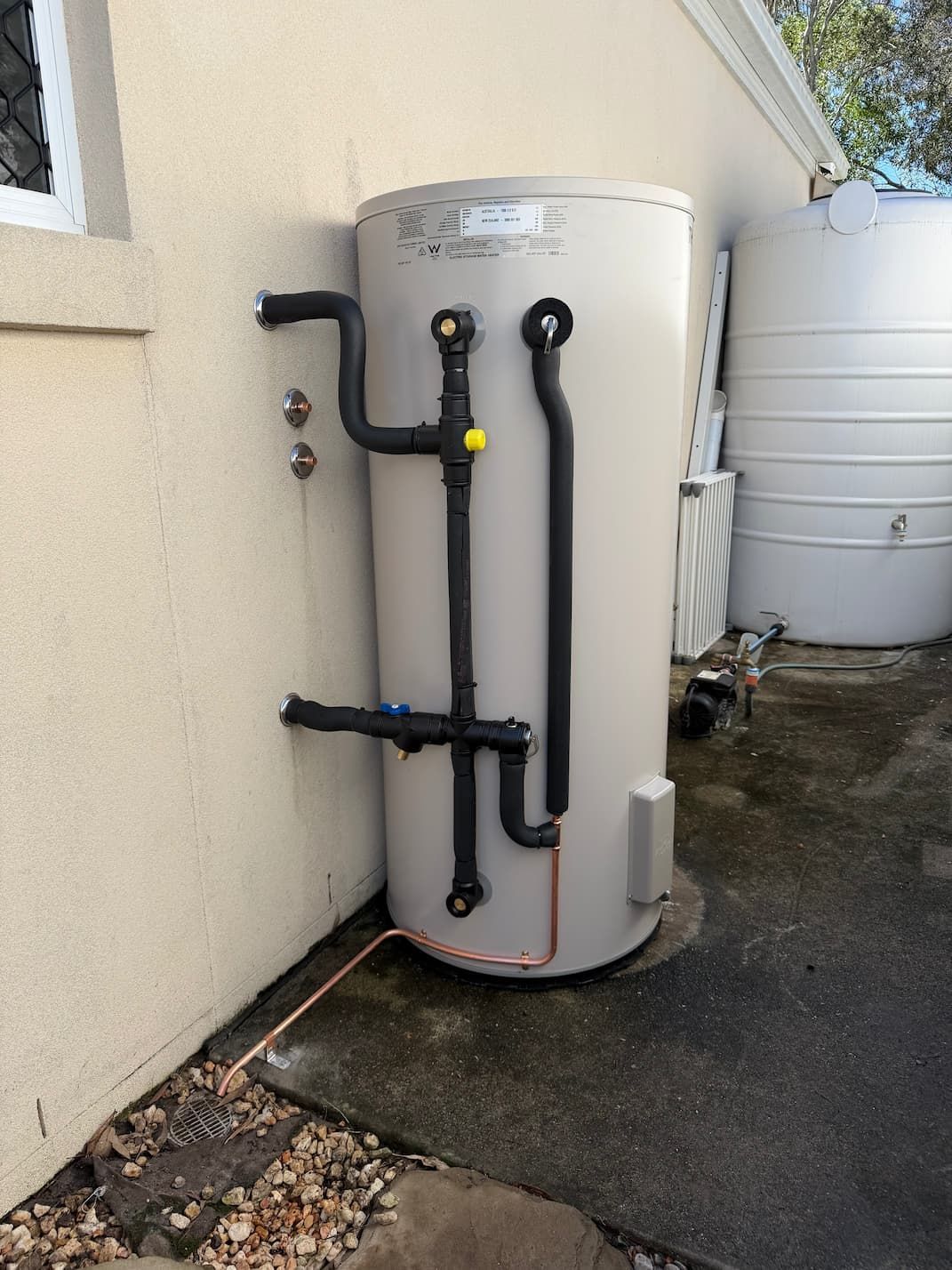
Upgrade Older Hot Water Systems
Older hot water systems are often far less efficient than modern alternatives.
Energy-efficient options include:
- Heat pump systems
- Continuous flow systems
- Solar hot water systems
- Efficient gas hot water units
Upgrading an ageing system can significantly improve overall efficiency.
Outdoor Water Usage On The Sunshine Coast
With warm temperatures and outdoor living being common across the Sunshine Coast, outdoor water usage can contribute heavily to household water bills.
Gardens, lawns, irrigation systems and outdoor taps are often responsible for large amounts of unnecessary water waste.
Water Gardens Efficiently
To reduce outdoor water waste:
- Water early in the morning or late afternoon
- Avoid watering during windy conditions
- Use mulch to retain moisture
- Avoid overwatering lawns
- Install Drip Irrigation
Drip irrigation systems deliver water directly to plant roots, reducing evaporation and unnecessary runoff.
Compared to traditional sprinklers, they are far more water-efficient.
Check Outdoor Taps & Irrigation Systems
Outdoor plumbing leaks are commonly overlooked.
Regularly inspect:
- Garden taps
- Irrigation lines
- Sprinkler systems
- Outdoor hoses
Even small outdoor leaks can waste large volumes of water over time.
Consider Installing A Rainwater Tank
Rainwater tanks can help reduce reliance on mains water, particularly for outdoor use.
Depending on the setup, rainwater can be used for:
- Garden irrigation
- Toilet flushing
- Laundry use
Rainwater systems can be especially beneficial for larger properties or homes with extensive landscaping.
Upgrade Older Appliances
Older appliances generally consume far more water than modern models.
Washing Machines
Modern front-loading washing machines use significantly less water than older top-loading units.
Using eco cycles and running full loads can improve savings even further.
Dishwashers
A modern dishwasher often uses less water than hand-washing dishes — particularly when run with full loads.
Monitor Your Water Usage Regularly
Monitoring water usage is one of the best ways to identify hidden plumbing problems early.
Check Your Water Meter
Turn off all taps and water-using appliances throughout the property.
If your water meter continues moving, there may be a hidden leak somewhere within the plumbing system.
Compare Your Water Bills
Reviewing bills over time can help identify sudden increases in water consumption that may indicate:
- Hidden leaks
- Failing plumbing fixtures
- Irrigation issues
- Excessive water pressure
Book Regular Plumbing Inspections
Preventative plumbing maintenance is one of the most effective ways to reduce long-term water costs.
During inspections, plumbers can identify:
- Hidden leaks
- Faulty valves
- Water pressure problems
- Worn plumbing fixtures
- Inefficient appliances
- Ageing pipework
Fixing small issues early often prevents much larger repair costs later.
The Long-Term Benefits Of Reducing Water Usage
Reducing your household water usage offers benefits beyond lower bills.
Additional advantages include:
- Reduced strain on plumbing systems
- Lower electricity or gas costs
- Improved appliance lifespan
- Reduced environmental impact
- More sustainable water usage
Small changes throughout the home can add up to significant savings over time.
When To Call A Licensed Plumber
It’s worth contacting a licensed plumber if:
- Your water bill suddenly increases
- You suspect a hidden leak
- Water pressure seems excessively high
- Toilets constantly run
- Taps continue dripping
- Your hot water system is inefficient
- You’re planning plumbing upgrades
Professional advice can help identify the most effective ways to reduce water waste while ensuring your plumbing system remains safe and compliant.
Frequently Asked Questions
Why Did My Water Bill Suddenly Double?
Sudden increases in water bills are commonly caused by hidden leaks, leaking toilets, underground pipe issues or excessively high water pressure.
Can A Leaking Toilet Increase My Water Bill?
Yes. A leaking toilet can waste hundreds of litres of water every day without obvious signs.
Does High Water Pressure Waste Water?
Absolutely. Excessive water pressure increases flow rates through taps, showers and appliances, often leading to unnecessary water consumption.
How Do Plumbers Detect Hidden Water Leaks?
Plumbers use specialised leak detection equipment, pressure testing and water meter testing to identify hidden plumbing leaks.
Conclusion
Reducing your water bill doesn’t require major sacrifices or expensive renovations. In many cases, simple plumbing repairs, improved water efficiency and better everyday habits can dramatically reduce household water usage.
At Celsius Plumbing, we regularly help Sunshine Coast homeowners identify hidden leaks, improve water efficiency and reduce unnecessary water waste. If your water bills seem unusually high or you’d like professional advice on improving water efficiency in your home, get in touch with our team today.
Written by Justin from Celsius Plumbing
Meet Justin, the owner of Celsius Plumbing. With over 15 years of industry experience, Justin combines technical expertise with a commitment to clear communication and reliable service.