Gas vs Electric: Which Is Better for Stoves & Hot Water Systems?
When building, renovating, or upgrading your home, one of the most important decisions you’ll make is choosing between gas vs electric appliances. This choice most commonly affects stoves and cooktops in the kitchen, as well as hot water systems throughout the home.
With rising energy prices, improved electric technology, and growing interest in energy efficiency, the gas vs electric debate has shifted significantly in recent years. What was once a clear preference for gas is now far more balanced, with electric options offering strong performance and long-term savings.
This guide breaks down the pros and cons of gas vs electric for cooktops, stoves, and hot water systems, helping you decide what’s best for your home, lifestyle, and budget.
Understanding the Difference Between Gas and Electric Systems
Gas and electric systems operate very differently, which affects installation, running costs, safety, and long-term suitability.
Gas Systems
Gas appliances run on either natural gas or LPG. They require gas pipework, compliant fittings, and installation by a licensed gas fitter. Gas systems rely on combustion, meaning ventilation and regular servicing are essential for safety.
Electric Systems
Electric appliances run solely on your home’s electrical supply. Modern electric systems can be paired with solar power, off-peak tariffs, and energy-efficient technology such as induction cooktops and heat pump hot water systems.
Gas vs Electric Cooktops and Stoves
The kitchen is where many homeowners have the strongest opinions, particularly when it comes to how food is cooked and heat is controlled.
Gas Cooktops and Stoves
Gas cooktops use an open flame, allowing direct heat control and immediate response when adjusting temperatures.
Pros of Gas Cooktops
- Instant heat and precise control
- Favoured by professional chefs
- Visual flame makes heat levels easy to judge
- Can operate during power outages (manual ignition models)
Cons of Gas Cooktops
- Requires a gas connection or LPG bottles
- Produces combustion by-products indoors
- Needs effective ventilation
- More components to clean (burners and grates)
- Gas prices can fluctuate and increase over time
Gas remains popular for cooking, but it does come with higher infrastructure and maintenance requirements.
Electric Cooktops
Electric cooktops are available in ceramic and induction models, each with different performance levels.
Ceramic Electric Cooktops
Ceramic cooktops use radiant heat through a smooth glass surface.
Pros of Ceramic Cooktops
- Flat surface is easy to clean
- Lower upfront cost than induction
- Simple installation
Cons of Ceramic Cooktops
- Slower heating and cooling
- Less precise temperature control
- Retains residual heat after switching off
Induction Cooktops
Induction cooktops use electromagnetic energy to heat cookware directly, rather than the cooktop surface.
Pros of Induction Cooktops
- Extremely fast heating and cooling
- Highly energy efficient
- Safer, as the surface stays cooler
- Excellent temperature control
- Easy to clean
Cons of Induction Cooktops
- Higher upfront cost
- Requires compatible cookware
- May require electrical upgrades
Induction cooktops are increasingly seen as the best electric alternative to gas, particularly in modern homes.
Which Cooktop Is Better?
The right choice depends on your priorities:
- Prefer traditional cooking and flame control → Gas
- Want speed, efficiency, and safety → Induction
- Renovating without existing gas → Electric
Gas vs Electric Hot Water Systems
Hot water systems account for a large portion of household energy use, making this decision especially important.
Gas Hot Water Systems
Gas hot water systems are available as storage tanks or instant (continuous flow) units.
Pros of Gas Hot Water Systems
- Fast recovery times
- Instant systems provide continuous hot water
- Often lower running costs than standard electric systems
- Compact options available
Cons of Gas Hot Water Systems
- Requires gas connection
- Higher upfront installation cost
- Produces emissions
- Running costs depend on gas prices
Gas hot water is often preferred in larger households with high hot water demand.
Electric Hot Water Systems
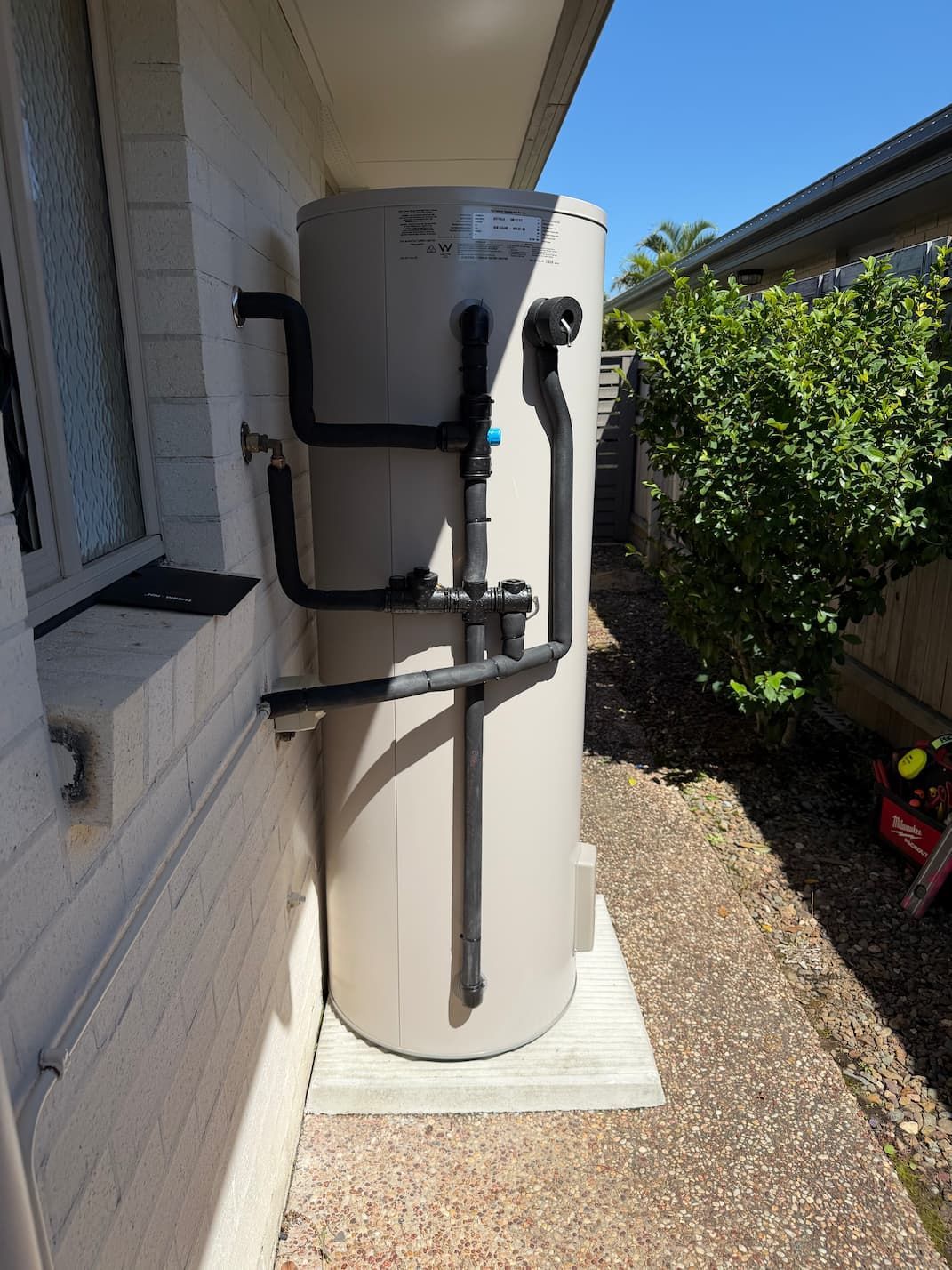
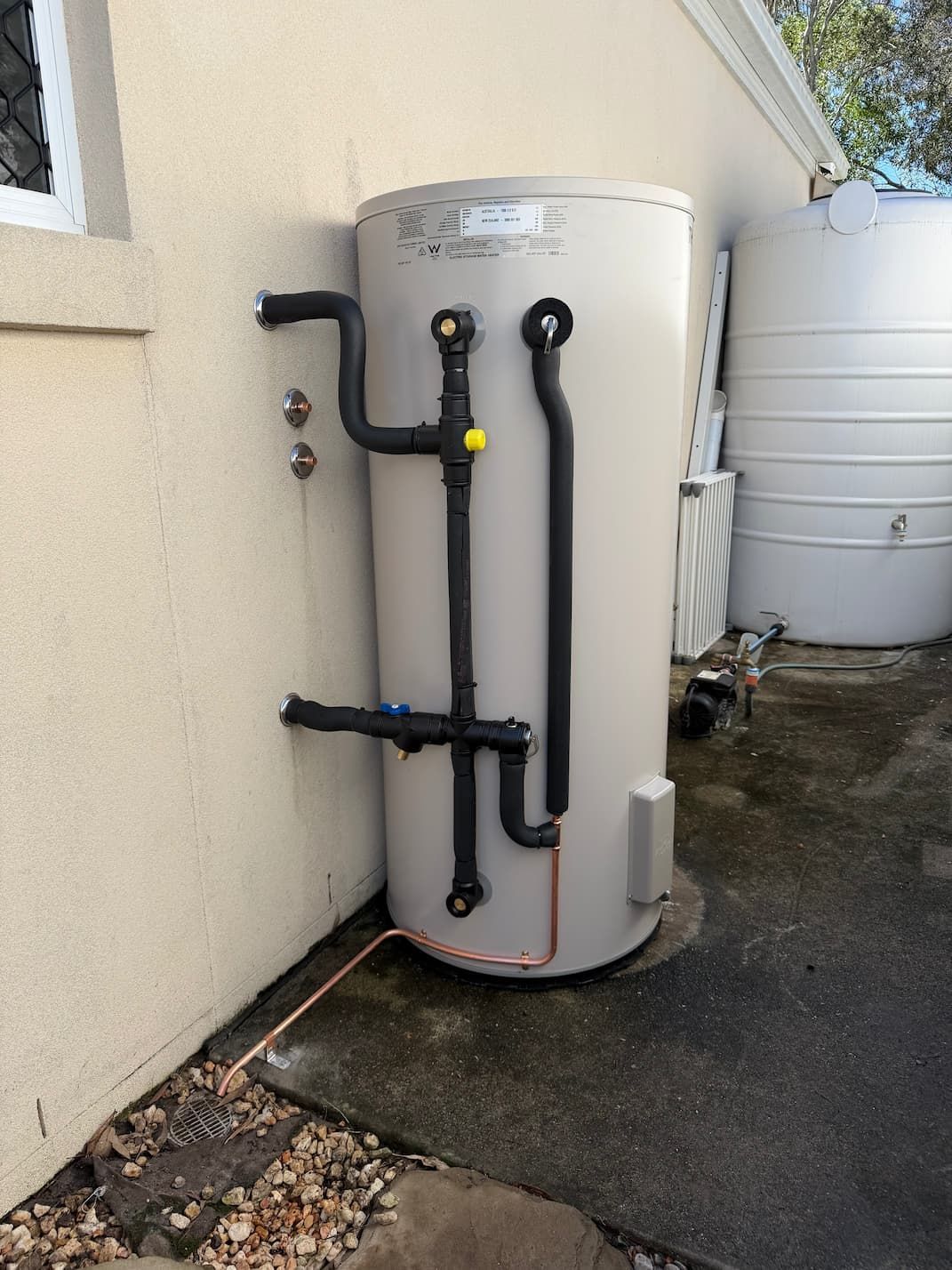
Electric hot water systems include storage tanks, instant electric, and heat pump systems.
Standard Electric Storage Hot Water Systems
Pros
- Lower upfront cost
- Simple and reliable
- Suitable for off-peak electricity
Cons
- Slower recovery time
- Limited hot water once tank empties
- Higher running costs without solar
Heat Pump Hot Water Systems
Heat pump systems extract heat from the surrounding air to heat water, using significantly less electricity.
Pros
- Extremely energy efficient
- Can dramatically reduce power bills
- Ideal for homes with solar panels
- Eligible for rebates in many areas
Cons
- Higher upfront cost
- Requires outdoor installation space
- Less efficient in colder climates
Heat pumps are increasingly considered the most efficient long-term electric option for hot water.
Running Costs: Gas vs Electric
Running costs vary based on household size, usage patterns, and energy pricing.
Key Cost Considerations
- Gas prices have risen in many parts of Australia
- Electricity costs vary by tariff and provider
- Solar systems significantly reduce electric running costs
- Larger households may benefit from instant systems
Homes with solar panels often achieve the greatest savings with electric appliances, particularly induction cooktops and heat pump hot water systems.
Installation and Infrastructure Costs
Installation costs can influence whether gas or electric is the better option.
Gas Installation Requirements
- Gas connection or LPG storage
- Licensed gas fitter
- Ventilation compliance
Electric Installation Requirements
- Dedicated electrical circuits
- Switchboard capacity checks
- Possible electrical upgrades
In some cases, the cost of installing gas infrastructure outweighs the benefits, especially in newer homes without existing gas supply.
Safety and Health Considerations
Gas Appliance Safety
Gas appliances rely on combustion, which can produce harmful gases if not properly ventilated or maintained. Regular servicing is essential to ensure safe operation.
Electric Appliance Safety
Electric systems do not involve combustion, eliminating the risk of gas leaks or carbon monoxide exposure. This makes them an attractive option for households prioritising indoor air quality and safety.
Environmental Impact
Electric appliances paired with renewable energy:
- Produce fewer emissions
- Reduce reliance on fossil fuels
- Align with sustainability goals
Gas remains a fossil fuel, and long-term trends indicate increasing pressure to reduce residential gas usage.
What’s Best for Your Home?
There is no universal answer — the right choice depends on your circumstances.
Gas May Suit You If:
- Your home already has gas installed
- You prefer cooking with flame
- You have high hot water usage
Electric May Suit You If:
- You have solar power
- You want lower emissions
- You’re building or renovating
- You want lower long-term running costs
Many modern homes now opt for induction cooktops combined with heat pump hot water systems as a future-focused solution.
Conclusion
The choice between gas vs electric for stoves, cooktops, and hot water systems comes down to performance, cost, safety, and long-term planning.
Gas continues to offer strong performance, particularly for cooking and instant hot water. However, electric technology — especially induction and heat pumps — has advanced rapidly and now competes strongly in efficiency, safety, and sustainability.
Before making a decision, it’s always best to consult a licensed plumber like Celsius Plumbing on the Sunshine Coast who can assess your home’s setup and recommend a solution that’s safe, compliant, and cost-effective.

Written by Justin from Celsius Plumbing
Meet Justin, the owner of Celsius Plumbing. With over 15 years of industry experience, Justin combines technical expertise with a commitment to clear communication and reliable service.