How To Check Gas Fittings For Leaks
Gas is a reliable and efficient energy source used in many Australian homes for cooking, hot water systems, heating and outdoor BBQs. But when gas fittings develop leaks, they can quickly become a serious safety hazard.
Even a relatively small gas leak can increase the risk of:
- Fire or explosion
- Carbon monoxide exposure
- Health issues
- Appliance damage
- Increased gas bills
At Celsius Plumbing, we regularly attend gas leak callouts across the Sunshine Coast where homeowners noticed subtle warning signs weeks before the issue became serious. In many cases, it starts with a faint gas smell, a faulty appliance connection or an ageing outdoor fitting that has gradually deteriorated over time.
Understanding how to identify the warning signs of a gas leak — and when to call a licensed gas fitter — is extremely important for household safety.
Important: In Australia, gas fitting work must legally be carried out by a licensed gas fitter. This guide is intended for awareness and basic visual safety checks only. Never attempt DIY gas repairs yourself.
Why Gas Leaks Are So Dangerous
Natural gas and LPG are highly flammable. When gas escapes from a fitting, appliance or pipe, it can build up quickly in enclosed spaces such as:
- Kitchens
- Roof cavities
- Cupboards
- Outdoor meter boxes
- Garages
- Under enclosed patios
Because gas leaks are often silent and invisible, many homeowners don’t realise there’s a problem until the smell becomes strong or symptoms begin appearing.
Gas leaks can lead to:
- Fires and explosions
- Carbon monoxide exposure
- Headaches and dizziness
- Nausea and fatigue
- Appliance damage
- Increased gas usage costs
Gas safety should always be taken seriously, even if the leak seems minor.
Natural Gas vs LPG Leaks
Both natural gas and LPG systems can develop leaks, but they behave differently.
Natural gas is lighter than air, meaning it tends to rise and disperse upwards.
LPG (Liquefied Petroleum Gas) is heavier than air and can collect in lower areas such as:
- Floor cavities
- Low outdoor areas
- Enclosed patios
- Garages
This is one reason why proper ventilation around LPG appliances and cylinders is extremely important.
The Most Common Gas Leak Problems We See
At Celsius Plumbing, some of the most common gas leak issues we identify include:
- Cracked flexible gas hoses
- Loose bayonet fittings behind ovens
- Corroded outdoor gas connections
- Faulty gas regulators
- Deteriorated copper pipework
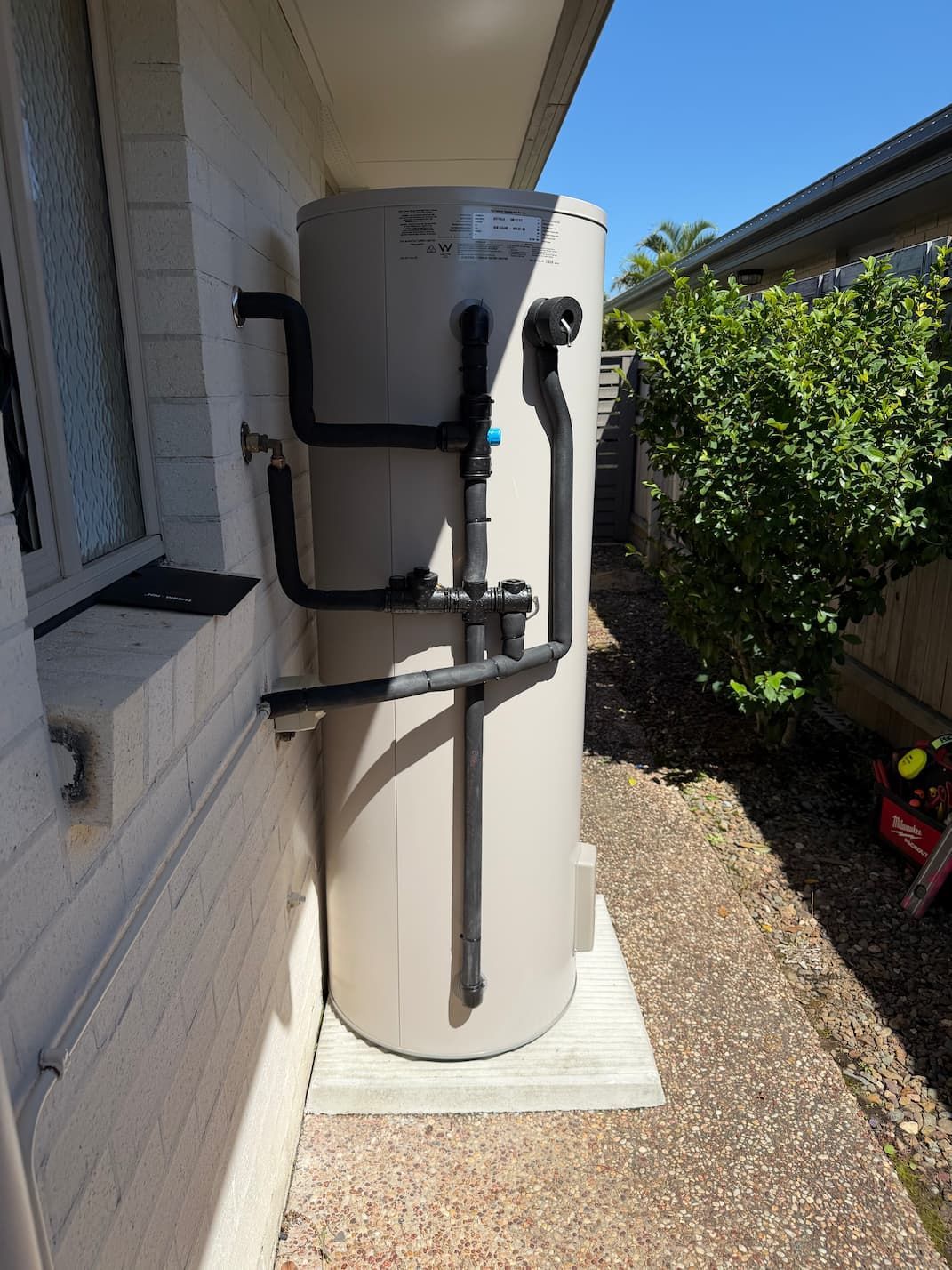
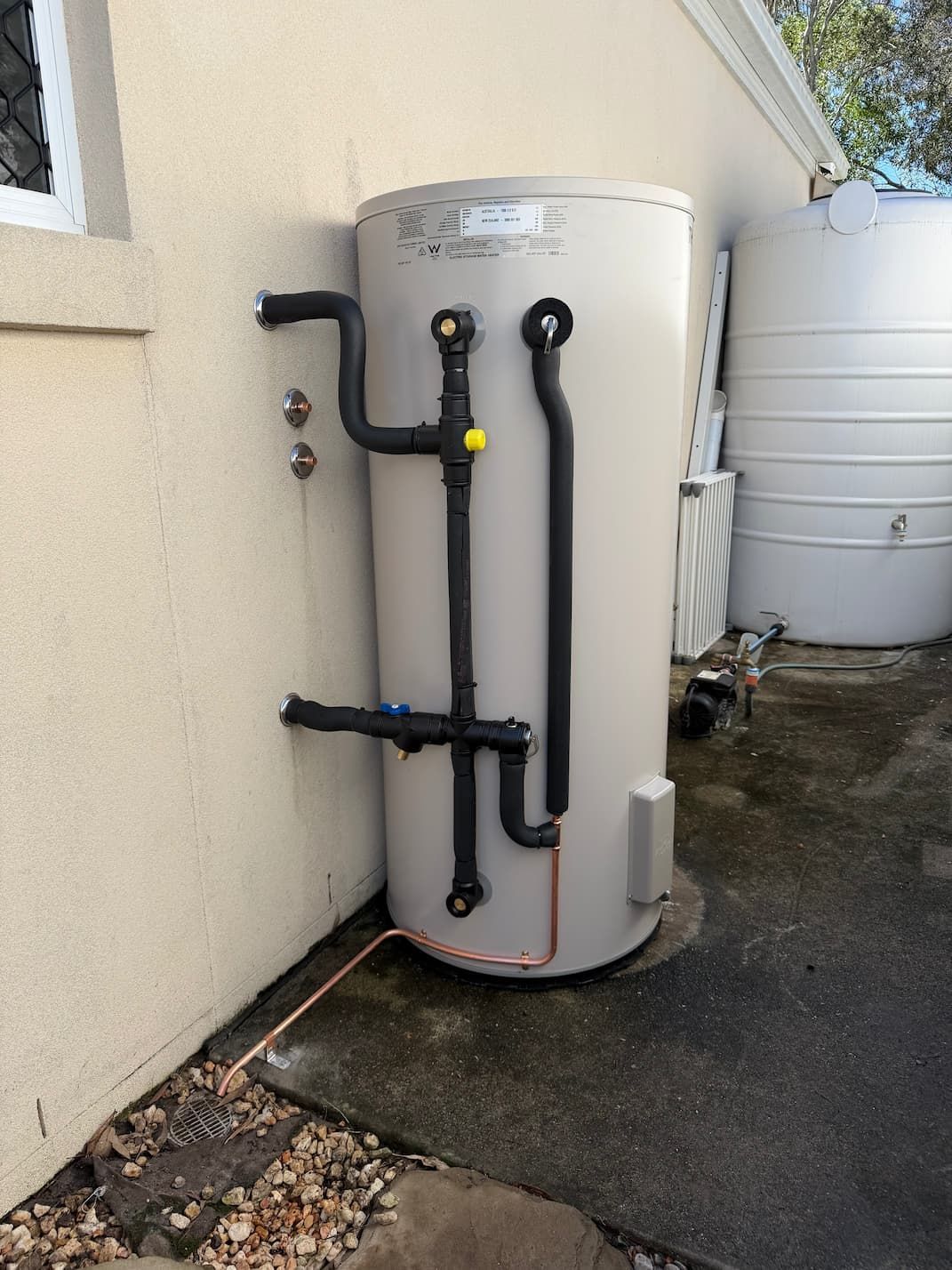
- Leaks around gas hot water systems
- Weathered BBQ gas fittings
- Ageing appliance connections
Outdoor fittings are particularly vulnerable on the Sunshine Coast due to moisture, salt air and weather exposure over time.
Older gas installations that haven’t been inspected for many years are far more likely to develop leaks.
Common Causes Of Gas Leaks
Gas leaks can occur for several reasons, including:
Ageing Gas Fittings
Over time, gas fittings naturally wear down due to:
- Vibration
- Pressure changes
- Corrosion
- Appliance movement
- Weather exposure
Corrosion & Rust
Older metal gas pipes and outdoor fittings can corrode over time, especially in coastal environments.
At Celsius Plumbing, we commonly see corrosion issues around exposed outdoor gas installations near the coast.
Faulty Appliance Connections
Gas cooktops, ovens, heaters and hot water systems all rely on properly sealed gas connections. Loose fittings or deteriorated seals can eventually allow gas to escape.
Poor Installation Or DIY Modifications
Incorrect gas installations or unlicensed modifications can create extremely dangerous situations.
In Australia, all gas fitting work must comply with Australian Standards and be completed by a licensed gas fitter.
Wear & Tear On Flexible Gas Hoses
Flexible hoses behind appliances can become brittle, cracked or damaged over time, especially near heat sources.
Signs You May Have A Gas Leak
Smell Of Gas
Natural gas and LPG are intentionally given a strong sulphur or “rotten egg” smell to help detect leaks early.
Even a faint gas smell should never be ignored.
Hissing Sounds Near Appliances Or Fittings
Gas escaping under pressure can sometimes create:
- Hissing sounds
- Whistling noises
- Air-like escaping sounds
These noises may occur near:
- Gas meters
- Regulators
- Appliance connections
- Outdoor BBQ fittings
Higher Than Normal Gas Bills
A gas leak can increase your gas usage without any change in household habits.
If your gas bills suddenly increase unexpectedly, it may indicate:
- A hidden leak
- An inefficient appliance
- A regulator issue
- Faulty gas connections
Dead Grass Or Plants Near Gas Lines
Outdoor gas leaks can affect surrounding vegetation by reducing oxygen levels in the soil.
Signs may include:
- Dead grass patches
- Dying plants
- Discoloured vegetation
Physical Symptoms
Gas exposure can sometimes cause:
- Headaches
- Dizziness
- Fatigue
- Nausea
- Irritated eyes or throat
If symptoms improve after leaving the property, a gas issue may be present.
What To Do Immediately If You Suspect A Gas Leak
If you believe there may be a gas leak:
- Do not use electrical switches
- Do not use open flames
- Avoid operating appliances
- Open doors and windows if safe
- Turn off the gas supply at the meter if possible
- Evacuate the property
- Contact a licensed gas fitter immediately
Never ignore a suspected gas leak or attempt major investigations yourself.
How To Safely Check Gas Fittings For Leaks
While you cannot legally repair gas fittings yourself, there are some basic visual and awareness checks homeowners can safely perform.
Inspect Accessible Gas Fittings
Look at visible gas connections around:
- Cooktops
- Ovens
- Hot water systems
- BBQ fittings
- Gas meters
Check for:
- Corrosion
- Rust
- Loose fittings
- Cracked hoses
- Discolouration
- Soot marks
If anything appears damaged or unstable, stop using the appliance and arrange a professional inspection.
Check Flexible Gas Hoses
Flexible gas hoses can deteriorate over time, particularly behind freestanding ovens or outdoor BBQs.
Signs of deterioration include:
- Cracking
- Splitting
- Brittleness
- Visible wear near fittings
Older hoses may no longer comply with current Australian Standards.
Soap & Water Testing (Minor Visual Check Only)
For very minor suspicions only, a basic soap solution can sometimes indicate escaping gas.
How To Perform A Basic Soap Test
- Mix water with a small amount of dishwashing liquid
- Apply the solution to accessible external fittings
- Watch carefully for bubble formation
Bubbles may indicate escaping gas.
Important Safety Notes
- Never perform this test near flames
- Never test inside enclosed spaces
- Never continue if the gas smell becomes stronger
- Never attempt repairs yourself
If bubbles appear, turn off the gas supply and contact a licensed gas fitter immediately.
What NOT To Do When You Suspect A Gas Leak
If you suspect a gas leak:
❌ Do not use a lighter or flame to test for leaks
❌ Do not tighten fittings yourself
❌ Do not ignore faint gas smells
❌ Do not continue using affected appliances
❌ Do not attempt DIY gas repairs
DIY gas work is illegal in Australia and extremely dangerous.
How Licensed Gas Fitters Detect Gas Leaks
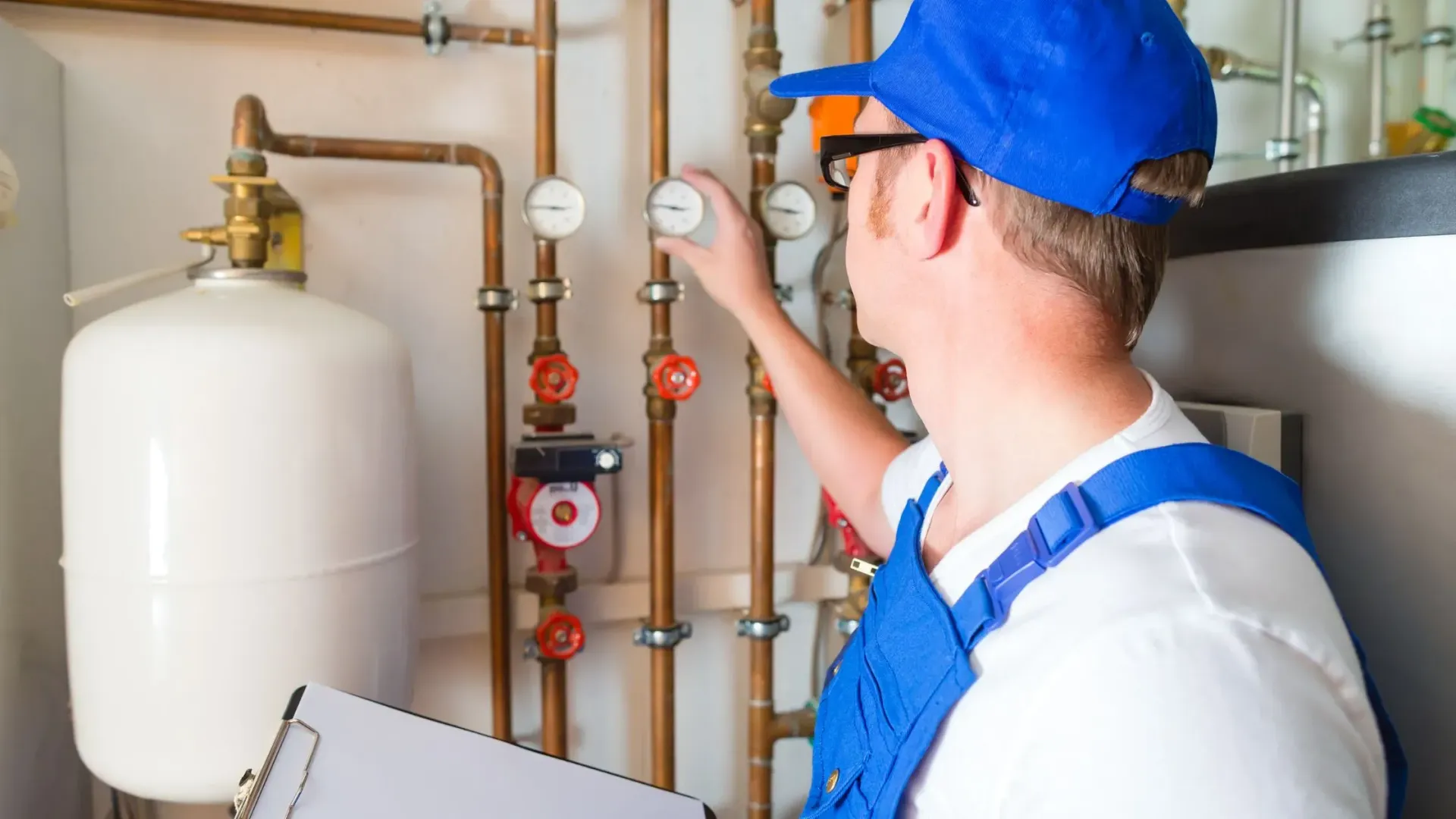
Professional gas fitters use specialised equipment and testing procedures to safely locate leaks.
Pressure Testing
Gas lines are pressure tested to identify pressure drops that indicate leakage somewhere within the system.
Electronic Gas Detectors
Highly sensitive gas detectors can identify gas concentrations that may not be noticeable to homeowners.
Appliance Isolation Testing
Each appliance can be isolated individually to determine whether the issue is:
- Appliance-related
- Pipework-related
- Regulator-related
Compliance & Safety Inspections
Licensed gas fitters also ensure the system complies with current Australian Standards and safety requirements.
Why Older Homes Are More At Risk
Many older Australian homes contain:
- Corroded steel gas pipes
- Outdated fittings
- Ageing appliance connections
- Older regulators
- Previous DIY modifications
Homes over 20 years old with original gas infrastructure should ideally undergo professional gas inspections periodically.
Carbon Monoxide vs Gas Leaks
Not all gas-related issues involve raw gas leaks.
Carbon monoxide (CO) is a colourless, odourless gas produced by faulty or poorly ventilated gas appliances.
Symptoms of carbon monoxide exposure may include:
- Headaches
- Dizziness
- Nausea
- Confusion
- Fatigue
This is why regular appliance servicing is just as important as gas leak testing.
How Often Should Gas Fittings Be Inspected?
As a general guide, gas systems should be inspected:
- Every 2–5 years
- When installing new gas appliances
- After renovations
- When buying or selling a property
- If appliances are ageing
- Immediately if warning signs appear
Routine inspections help identify problems before they become dangerous.
Why Professional Gas Inspections Are Worth It
Professional gas inspections provide:
- Safer operation
- Accurate leak detection
- Legal compliance
- Reduced risk of emergencies
- Improved appliance efficiency
- Peace of mind
Early detection can also help avoid expensive emergency repairs later.
When To Call A Licensed Gas Fitter
You should contact a licensed gas fitter immediately if:
- You smell gas
- You hear hissing sounds
- Gas appliances stop working correctly
- Gas bills suddenly increase
- You suspect appliance leaks
- You notice damaged fittings or hoses
Gas issues should never be ignored.
Conclusion
Knowing how to check gas fittings for leaks starts with awareness, recognising warning signs and acting quickly when something seems wrong.
At Celsius Plumbing, we regularly help Sunshine Coast homeowners identify gas leaks, replace ageing gas fittings and ensure gas systems remain safe and compliant. Many gas leaks start as small problems that gradually worsen over time, which is why early detection is so important.
If you suspect a gas leak or would like your gas appliances and fittings professionally inspected, contact our licensed gas fitters on the Sunshine Coast.
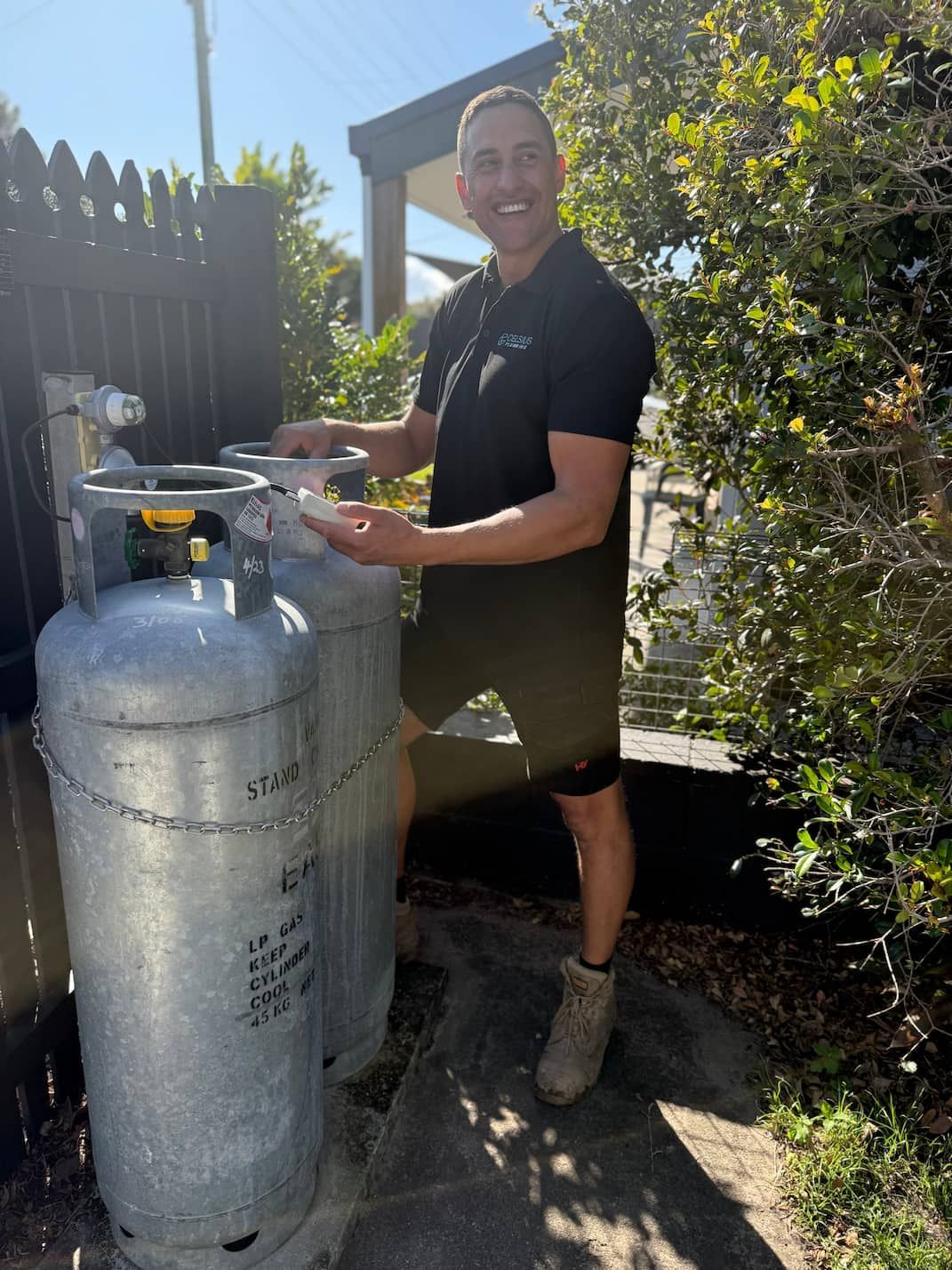
Written by Justin from Celsius Plumbing
Meet Justin, the owner of Celsius Plumbing. With over 15 years of industry experience, Justin combines technical expertise with a commitment to clear communication and reliable service.