Mixer Tap vs Regular Tap: Which Is Better for Your Home?
Choosing new taps might seem like a small decision when renovating a bathroom, kitchen, or laundry — but the type of tap you install can affect daily convenience, water efficiency, usability, and even safety. One of the most common questions homeowners ask is whether a mixer tap or a regular tap setup is the better choice.
Mixer taps have become increasingly popular in modern homes, while traditional separate hot and cold taps are still widely used, especially in older properties. Both options have pros and cons, and the right choice depends on your household’s needs, plumbing setup, budget, and personal preference.
This guide breaks down the differences between mixer taps and regular taps, how each works, the benefits and drawbacks of both, and how to decide which option is best for your home.
What Is a Mixer Tap?
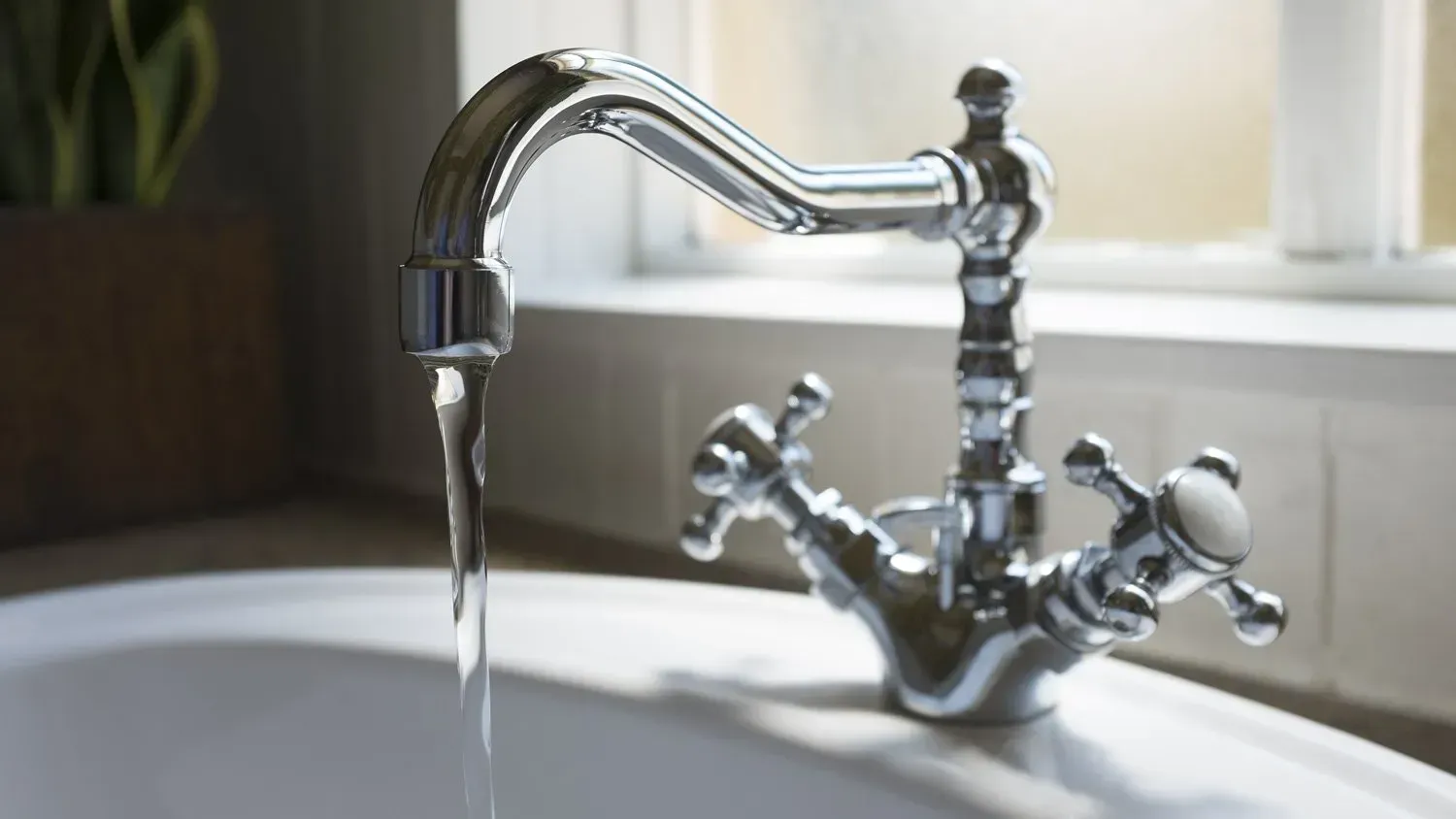
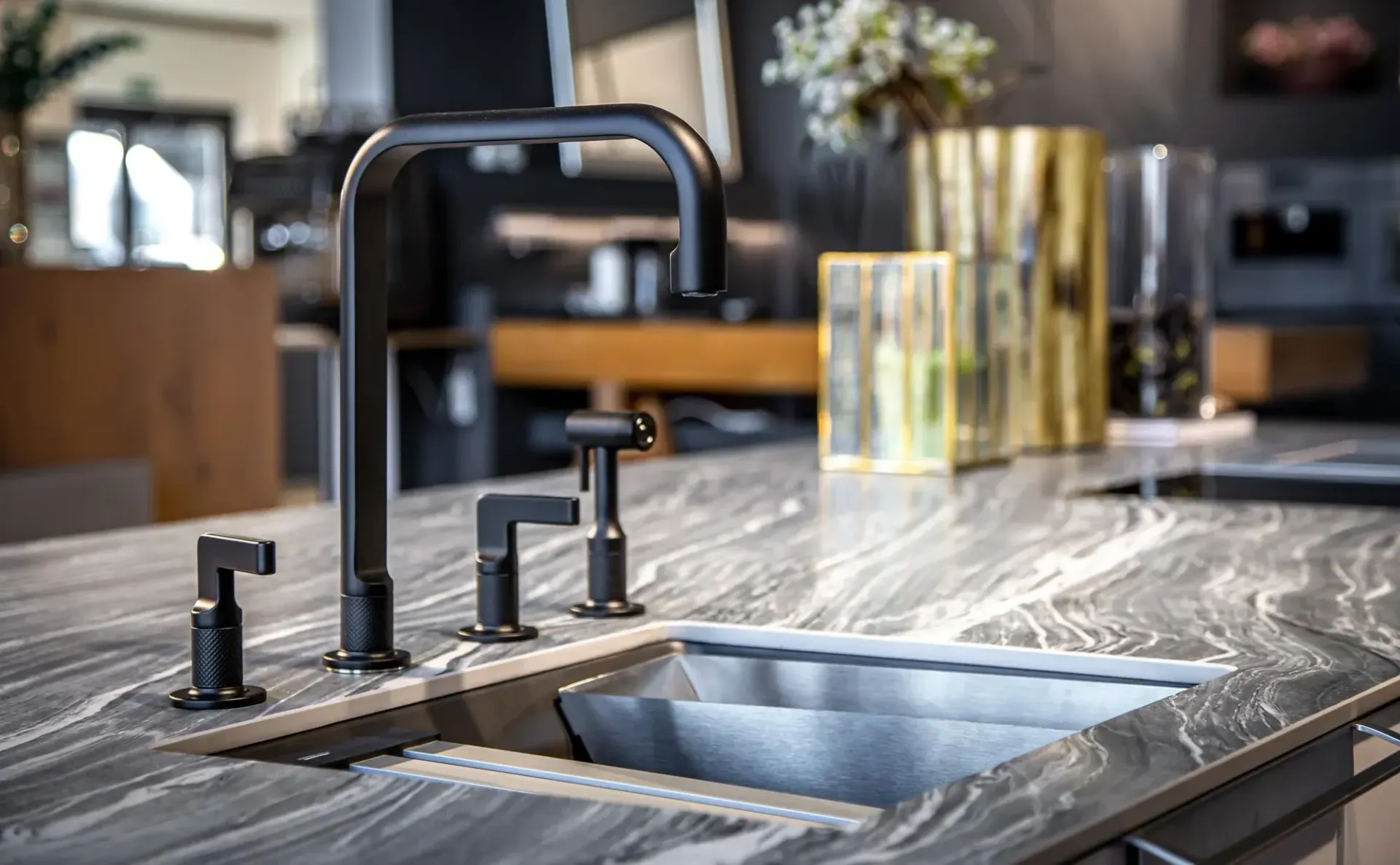
A mixer tap combines hot and cold water into a single spout and allows you to control both temperature and flow with one handle (or sometimes two handles). By adjusting the position of the handle, you can blend hot and cold water to reach your desired temperature.
Mixer taps are commonly found in modern kitchens, bathrooms, laundries, and outdoor sinks. They are available in a wide range of styles, finishes, and designs, from minimalist single-lever mixers to designer statement pieces.
What Is a Regular Tap?
A regular tap setup refers to separate hot and cold taps, where each tap controls only one water temperature. To achieve warm water, you manually adjust both taps and mix the water at the spout or in the sink.
This style is common in older homes and traditional bathroom designs. While less popular in new builds, separate taps are still used in many renovations and heritage-style properties.
Key Differences Between Mixer Taps and Regular Taps
Ease of Use
Mixer taps are operated with one hand and allow you to adjust both temperature and flow quickly. This makes them convenient for everyday use, especially when your hands are dirty in the kitchen or when assisting children at a basin.
Regular taps require two hands to adjust temperature properly. This can be less convenient but allows for very precise control if you prefer manual mixing.
Temperature Control
With mixer taps, you can find your preferred temperature quickly and return to it easily. Some mixers also include temperature limiters to prevent scalding.
With regular taps, achieving the perfect temperature can take longer as you adjust hot and cold separately. This can lead to more water being wasted while finding the right balance.
Water Efficiency
Mixer taps often reduce water wastage because users reach their desired temperature faster. Less water is wasted while adjusting the temperature.
With separate taps, people often let water run longer while mixing hot and cold, which can increase water usage.
Modern Aesthetic vs Traditional Look
Mixer taps typically suit modern interiors and contemporary renovations. They offer a streamlined, minimal appearance and pair well with modern basins and sinks.
Regular taps suit classic, heritage, or traditional design styles and may be preferred in period homes where maintaining original character is important.
Benefits of Mixer Taps
Convenience
Mixer taps are easy to use with one hand and allow fast temperature adjustment. This is particularly useful in kitchens where you may be holding dishes or food.
Improved Safety
Many mixer taps can be fitted with temperature limiters to prevent very hot water from flowing suddenly. This is useful in homes with children or elderly occupants.
Modern Design Options
Mixer taps come in a wide range of styles and finishes, including matte black, brushed brass, chrome, and stainless steel. This makes it easy to match your tapware with your overall design.
Less Water Wastage
Because you reach your desired temperature faster, less water is wasted during everyday use.
Easier Cleaning
With fewer components and a single spout, mixer taps are often easier to clean and maintain than separate tap sets.
Drawbacks of Mixer Taps
Higher Upfront Cost
Mixer taps are generally more expensive than basic regular taps. Designer mixers can significantly increase the cost of your tapware budget.
More Complex Internal Components
Mixer taps contain cartridges and internal mechanisms that can wear over time. While durable, repairs may require replacement cartridges rather than simple washers.
Not Always Suitable for Older Plumbing
Some older plumbing systems may need minor modifications to support mixer taps, particularly in very old homes with separate pipework configurations.
Benefits of Regular Taps
Lower Cost
Regular taps are typically cheaper to purchase and can be more affordable to repair, as washers and seals are inexpensive and widely available.
Simple Design
Separate taps have a straightforward mechanical design that is easy to understand and repair. Many small leaks can be fixed quickly with basic parts.
Suits Traditional Homes
For heritage or classic-style homes, regular taps may suit the aesthetic better than modern mixer designs.
Independent Hot and Cold Control
Some people prefer having full, independent control over hot and cold water flow, especially for tasks like filling buckets or managing water pressure.
Drawbacks of Regular Taps
Less Convenient
Using two taps to adjust temperature is less convenient than a single handle. This can be frustrating in kitchens or busy bathrooms.
More Water Wastage
Because it takes longer to reach the desired temperature, more water is often wasted during use.
Higher Risk of Scalding
Separate taps do not regulate mixed water temperature. This increases the risk of sudden hot water exposure, particularly for children.
Outdated Appearance
In modern renovations, separate taps may look dated and clash with contemporary fixtures.
Which Is Better for Kitchens?
In most homes, mixer taps are the preferred choice for kitchens. The convenience of one-handed operation makes washing dishes, rinsing food, and filling pots easier and faster. Many kitchen mixer taps also include pull-out spray heads or swivel spouts, which improve functionality.
Regular taps may still be used in traditional kitchens, but they are generally less practical for everyday cooking and cleaning tasks.
Which Is Better for Bathrooms?
Mixer taps are widely used in modern bathrooms due to their sleek appearance and ease of temperature control. They are especially useful for basins and showers, where consistent temperature is important.
Regular taps may still be chosen for heritage bathrooms or classic design themes. However, they can be less user-friendly, particularly for children or elderly users.
Which Is Better for Laundries?
Both options work well in laundries, but mixer taps offer more flexibility. Being able to adjust temperature quickly is useful when handwashing clothes or cleaning. Separate taps may be preferred where cost is a primary concern or where a simple utility fit-out is desired.
Installation Considerations
Mixer taps typically require both hot and cold water to be supplied to a single point. In most modern homes, this is standard. In older homes, some plumbing adjustments may be needed.
Regular taps use separate connections for hot and cold water, which aligns with many older plumbing layouts.
Before choosing tapware, it’s worth checking your existing plumbing configuration to avoid unexpected installation costs.
Maintenance and Longevity
Both mixer taps and regular taps can last many years when properly installed and maintained. Regular taps often require washer replacements over time, while mixer taps may require cartridge replacements. The longevity of either option largely depends on water quality, usage, and the quality of the tapware itself.
Cost Comparison
While mixer taps generally have a higher upfront cost, the difference can be modest for standard models. Over time, water savings from reduced wastage may help offset the initial expense. Regular taps are cheaper to buy and maintain but may lead to slightly higher water usage.
How to Choose the Right Option for Your Home
When deciding between mixer taps and regular taps, consider:
- Your home’s design style
- How often the tap will be used
- Who will be using the tap (children, elderly, guests)
- Your budget
- Your existing plumbing setup
- Whether water efficiency is a priority
For most modern homes, mixer taps provide better usability, efficiency, and safety. Regular taps remain a valid option for traditional designs or budget-conscious upgrades.
Final Thoughts
Both mixer taps and regular taps have their place in modern homes. Mixer taps offer convenience, modern styling, and improved efficiency, making them the popular choice for kitchens and bathrooms. Regular taps remain simple, affordable, and suitable for classic designs or utility spaces.
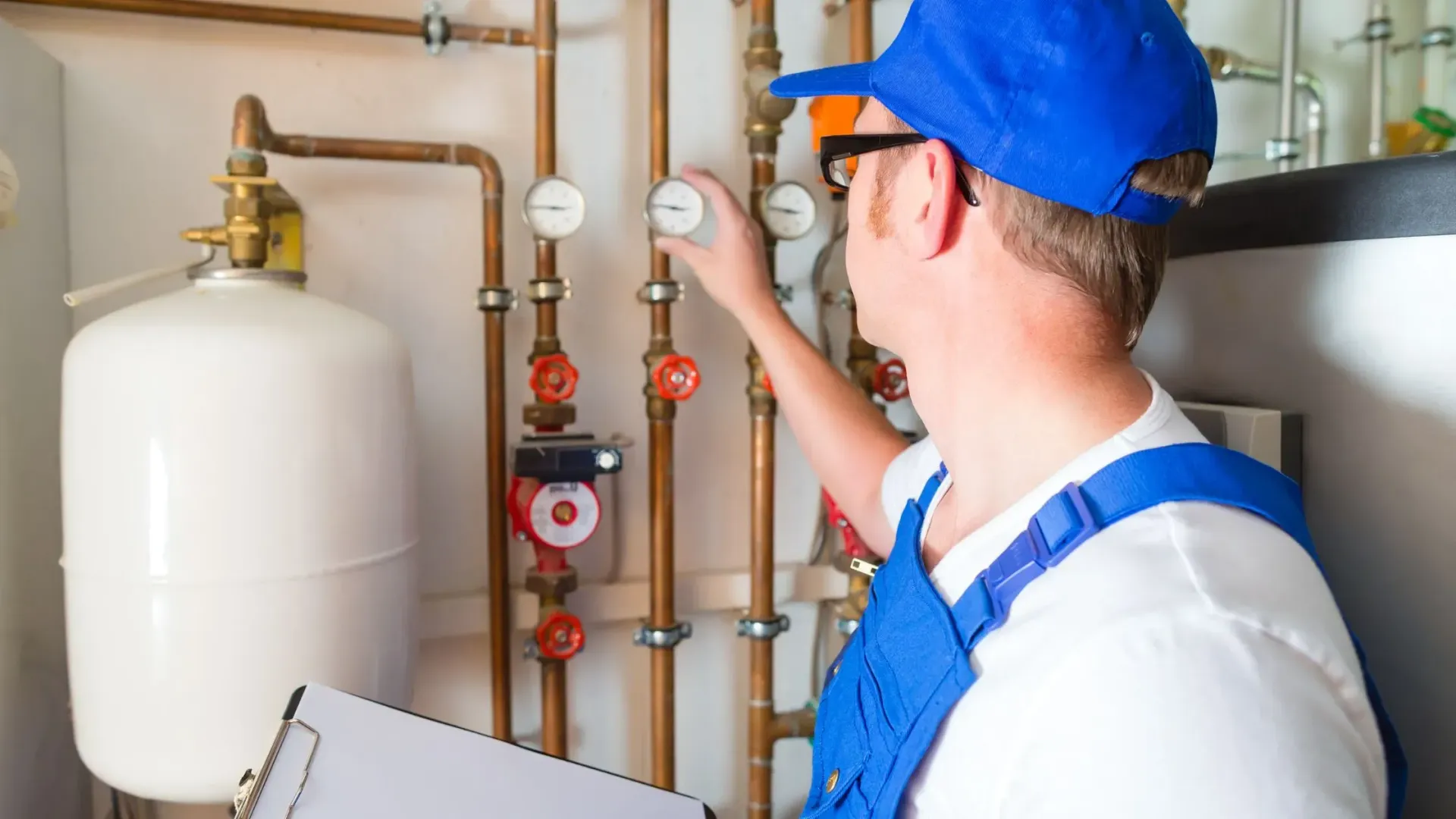
The best option ultimately comes down to your household’s needs, your design preferences, and how you use your space day to day. Choosing the right tap style can improve comfort, reduce water waste, and make everyday tasks easier. If you need a plumber to help you choose and install the best tap for your home, get in touch with Celsius Plumbing on the Sunshine Coast.

Written by Justin from Celsius Plumbing
Meet Justin, the owner of Celsius Plumbing. With over 15 years of industry experience, Justin combines technical expertise with a commitment to clear communication and reliable service.