What Is A Gas Safe Compliance Certificate?
If you’ve had gas work done at your home or business on the Sunshine Coast — such as installing a new cooktop, upgrading a hot water system, running new gas lines, or repairing a leak — you’ll often hear the term Gas Safe compliance certificate (also called a gas compliance certificate). In Queensland, it’s essentially the written proof that the gas work has been completed correctly and safely, in line with the relevant rules and standards.
In this guide, I’ll explain what a Gas Safe Compliance Certificate is in Queensland (QLD), when you should receive one, why it matters, how much they generally cost and why only a licensed gas fitter can install them on the Sunshine Coast.
What Is A Gas Safe Compliance Certificate?
A Gas Safe Compliance Certificate is a document provided by a licensed gas fitter after completing gas fitting work. It confirms that:
- The work was carried out by a properly licensed person
- The installation or repair meets QLD requirements and industry standards
- The system has been tested and is safe to use
- The work has been recorded for accountability and traceability
Think of it as the gas equivalent of a safety sign-off. It’s not just “nice to have” paperwork — it’s part of doing the job properly.
What It’s Called In Queensland
In QLD, you may hear a few different terms used interchangeably:
- Gas compliance certificate
- Gas safety certificate
- Gas certificate
- Gas Safe compliance certificate (common wording in the industry)
- Compliance documentation for gas work
Whatever the name, the purpose is the same: evidence that the gas work complies and has been tested.
Why Gas Compliance Matters So Much
Gas appliances and gas pipework can be very safe when installed correctly — but they can also become dangerous if there are faults, poor workmanship, incorrect ventilation, or undetected leaks.
A compliance certificate is important because it confirms the gas fitter has:
- Installed the appliance to manufacturer requirements
- Checked the gas pressures are correct
- Tested the system for leaks
- Confirmed safe operation and ignition
- Verified ventilation and clearances (where relevant)
- Ensured the work complies with applicable standards
On the Sunshine Coast, many homes use LPG bottles or natural gas depending on the area, and both require the same level of care and testing. Whether it’s a new installation or a repair, compliance paperwork protects your household and your property.
When Do You Need A Gas Safe Compliance Certificate In QLD?
You should generally receive a compliance certificate for most gas fitting work, including:
New appliance installations
- Gas cooktops and ovens
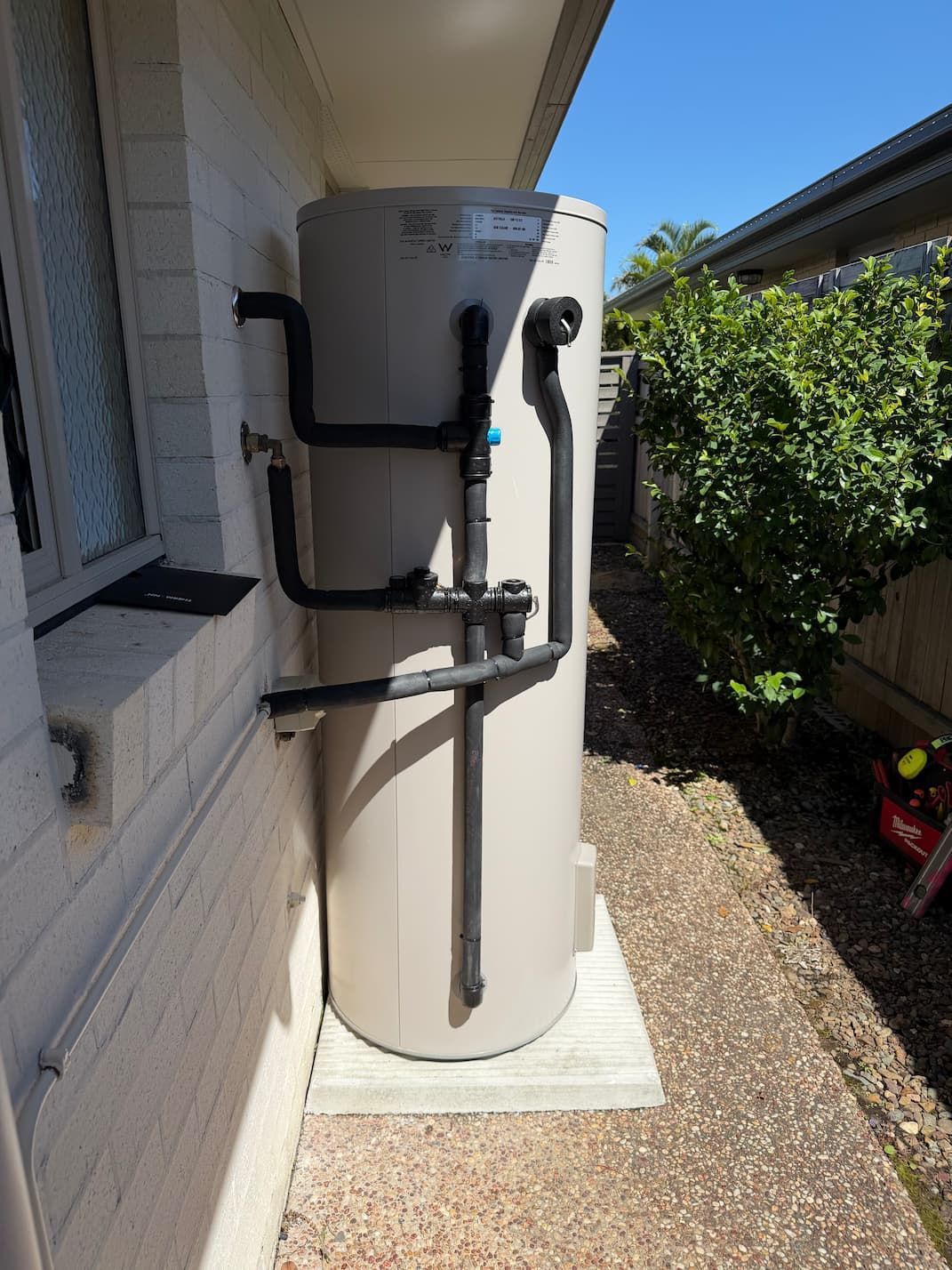
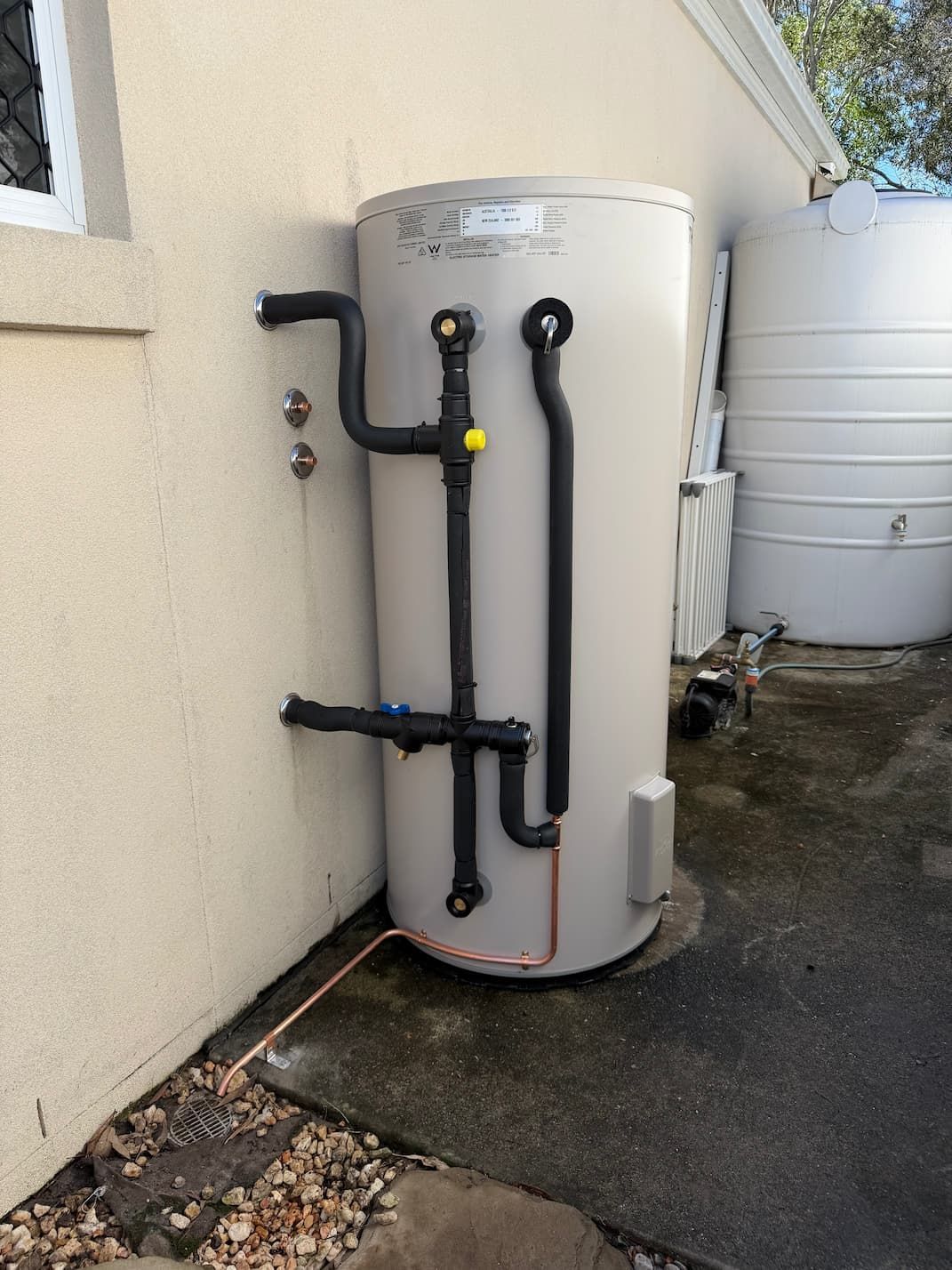
- Gas hot water systems
- Gas heaters and bayonets
- Outdoor kitchens and BBQ points
Replacements and upgrades
- Swapping an old gas hot water unit for a new one
- Upgrading pipe sizes or regulators
- Moving an appliance to a new location
New gas pipework or alterations
- Running new gas lines through a renovation
- Adding an extra bayonet or connection point
- Extending lines to an outdoor area
Repairs that involve gas fitting work
- Fixing gas leaks
- Replacing valves, regulators, or pipe sections
- Correcting faults that require disconnection and reconnection
If you’re ever unsure, ask your gas fitter directly: “Will I receive a compliance certificate for this job?” A professional operator will be clear and upfront.
Who Can Issue A Gas Safe Compliance Certificate?
In Queensland, a compliance certificate should be issued by a person who is appropriately licensed to carry out gas work.
That means:
- They must hold the right licence for gas fitting work
- They should understand the standards, testing requirements, and documentation expectations
- They must be willing to stand behind their workmanship
If someone is doing gas work and can’t provide the right compliance documentation, that’s a red flag.
What Information Is Usually Included On The Certificate?
While the exact format can vary by business and job type, you’ll usually see:
- The licensed gas fitter’s details (name, licence number, business info)
- The property address where the work was completed
- The date the work was carried out
- A description of the gas work performed
- Appliance details (make/model) if applicable
- Confirmation that testing was completed (such as leak testing)
- Any relevant notes or conditions
If your certificate looks vague or incomplete, ask questions. Clear documentation is part of professional compliance.
Why You Should Always Ask For The Certificate
It’s proof the job was done properly
If issues come up later, a certificate shows what was done and who did it.
It can help with insurance claims
If there’s ever a gas-related incident (even unrelated to the work), insurers may ask about appliance installation and compliance.
It’s useful when selling the property
Buyers, building inspectors, and solicitors can request records of regulated work. Having documentation prevents stress later.
It supports warranty and manufacturer requirements
Some manufacturers want proof of compliant installation for warranty purposes.
It protects you from “cashie” work
Unlicensed or non-compliant gas work can be costly — not just financially, but in safety terms. The certificate helps ensure the work is legitimate and traceable.
What Happens If You Don’t Get One?
If you’ve had gas work done and you weren’t provided a certificate:
- Ask for it (politely but firmly)
- Request the licence details of the person who completed the work
- Don’t ignore it — especially for major installations
A missing certificate can become a headache later. If the work was done incorrectly, you may not have a clear paper trail, and you might need an additional inspection or rectification.
Gas Compliance Certificates In QLD: Common Scenarios On The Sunshine Coast
Here are a few local examples where people typically need compliance certificates:
Renovations and kitchen upgrades
A new cooktop or oven install almost always involves gas disconnection/reconnection, checks, and commissioning. You should receive documentation.
Hot water replacements
Gas hot water systems are common across the Sunshine Coast. When replacing a unit, compliance includes verifying correct operation, safe flueing (if applicable), correct pressures, and safety checks.
Outdoor entertaining additions
Adding a BBQ point or outdoor kitchen connection is popular in QLD. This involves new pipework, correct isolation valves, and leak testing — again, compliance matters.
LPG regulator or bottle setups
If your home runs on LPG bottles, changes to regulators, cylinders, or pipework must be done correctly and tested.
How Much Does A Gas Safe Compliance Certificate Cost In QLD?
This is the big question — and the honest answer is: it depends on what work was done.
A compliance certificate is rarely a “standalone” cost by itself. In most cases, it’s included as part of the overall job price because the certificate is linked to:
- The time spent testing
- The commissioning process
- The documentation and record keeping
- The licensed responsibility the gas fitter takes on
That said, on the Sunshine Coast in QLD, you’ll typically see the certificate component represented in one of these ways:
1) Included in the total job cost
For many standard jobs (like a cooktop replacement), the quote includes compliance as part of the service.
2) Listed as a separate line item
Some businesses show “Compliance certificate” or “Certification & testing” as a separate fee so you can clearly see it.
Typical price ranges (guide only)
While pricing varies between providers and job complexity, a general guide for Sunshine Coast gas work is:
- Simple appliance install (e.g., swap cooktop like-for-like): often includes certification within a total install cost that may start from a few hundred dollars, depending on access and modifications
- Hot water system replacement: certification included in a larger job cost, commonly higher due to commissioning, removal, and connections
- New lines / alterations / outdoor points: costs increase based on pipe runs, access, materials, and testing requirements
If you’re looking strictly for the “paperwork” cost, many businesses effectively price the certification/testing/documentation portion somewhere around tens to low hundreds of dollars, but it’s usually bundled into labour and commissioning.
What makes the price go up?
- Long pipe runs and difficult access (tight roof spaces, multi-storey homes)
- Appliance relocation or new connection points
- The need for extra valves, regulators, or upgraded pipe sizing
- After-hours call-outs
- Complex commissioning requirements (certain hot water units or commercial setups)
- Fixing existing non-compliant work done previously
The best approach is to ask your plumber/gas fitter for a clear written quote that confirms testing and certification is included.
Can You Pay Less By Skipping The Certificate?
You might see someone offering a cheaper price without mentioning compliance documentation. That’s where you need to be careful.
If the work genuinely requires compliance and the person isn’t providing it, you’re taking on risk that can cost far more than the savings. Gas safety isn’t the place to cut corners — especially in family homes.
How To Choose A Gas Fitter On The Sunshine Coast
When you’re comparing quotes, look for signs of professional compliance:
- They confirm they’re licensed for gas fitting in QLD
- They explain the testing/commissioning process
- They provide written quoting (not vague “cash price” messages)
- They clearly state you’ll receive compliance documentation
- They’re happy to answer questions about safety, ventilation, and appliance requirements
Gas Compliance Is Peace Of Mind
A Gas Safe Compliance Certificate in Queensland is more than paperwork — it’s proof that gas work at your Sunshine Coast home has been installed, tested, and signed off by a licensed professional. It protects you, your property, and everyone who uses the appliances.
If you’re getting gas work done, ask upfront:
- Will you test the system and commission the appliance properly?
- Will I receive a compliance certificate?
- Is the certificate included in the price?
If you need a licensed gas fitter on the Sunshine Coast, get in touch with Celsius Plumbing.
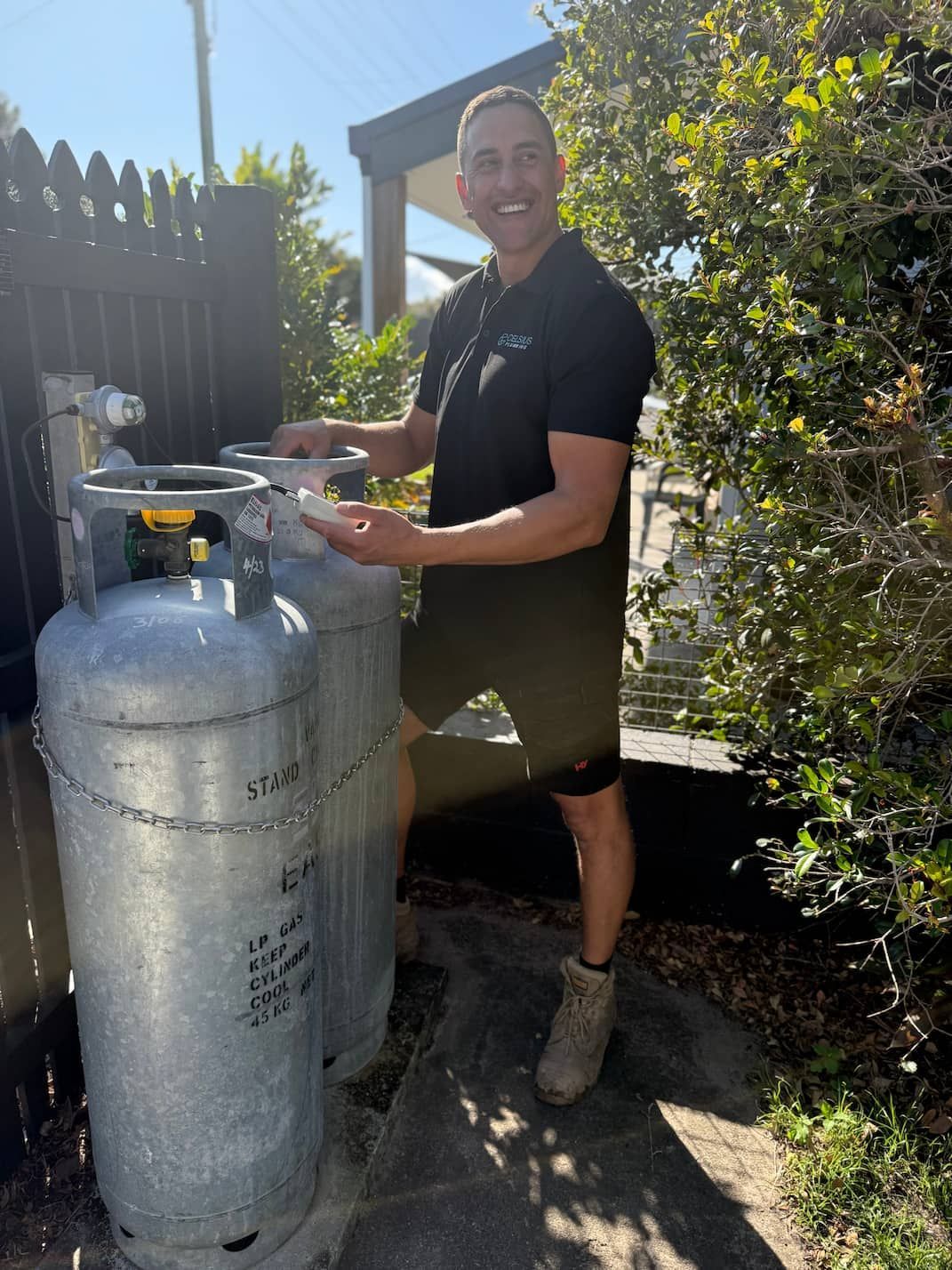
Written by Justin from Celsius Plumbing
Meet Justin, the owner of Celsius Plumbing. With over 15 years of industry experience, Justin combines technical expertise with a commitment to clear communication and reliable service.