How Does A Gas Hot Water System Work?
Gas hot water systems are one of the most common and reliable ways to supply hot water to homes across Queensland. With fast heating times, strong water pressure, and consistent performance, they’re especially popular on the Sunshine Coast where many households rely on either natural gas or LPG bottles.
But how does a gas hot water system actually work? What happens when you turn on the tap, and why are gas systems often preferred over electric alternatives?
In this guide, we’ll explain exactly how gas hot water systems work, the different system types, their components, running costs, and whether gas is the right choice for your home.
What Is A Gas Hot Water System?
A gas hot water system uses either natural gas or LPG (liquefied petroleum gas) to heat water for household use. Instead of heating water slowly with an electric element, gas systems use a burner that produces instant, high heat.
This allows water to heat faster, recover quicker after heavy use, and deliver reliable hot water even in busy households.
Gas systems are commonly found in:
- Family homes
- Rental properties
- Townhouses
- Homes with high hot water demand
Main Types Of Gas Hot Water Systems
There are two main types used in Queensland homes.
Storage Gas Hot Water Systems
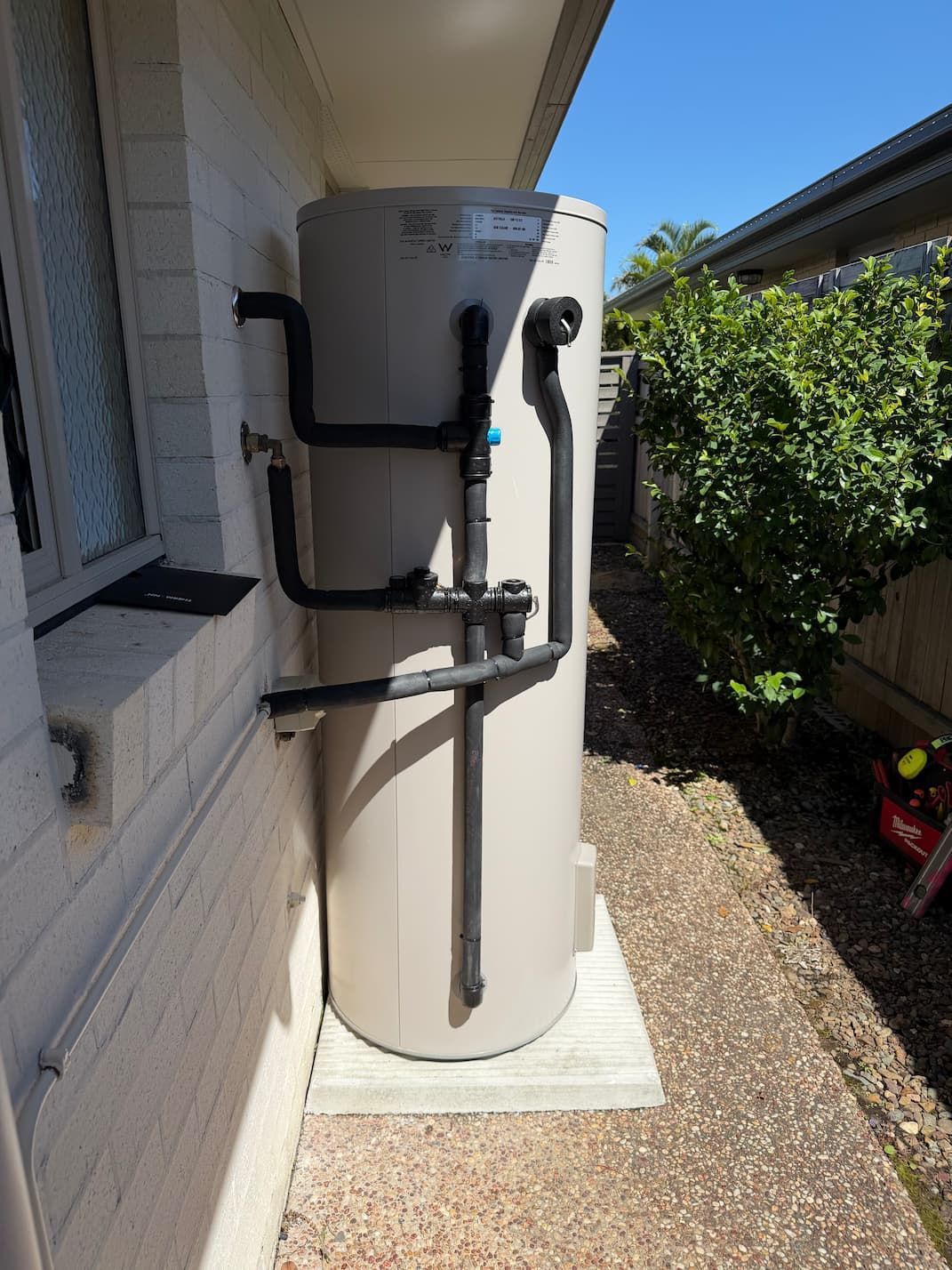
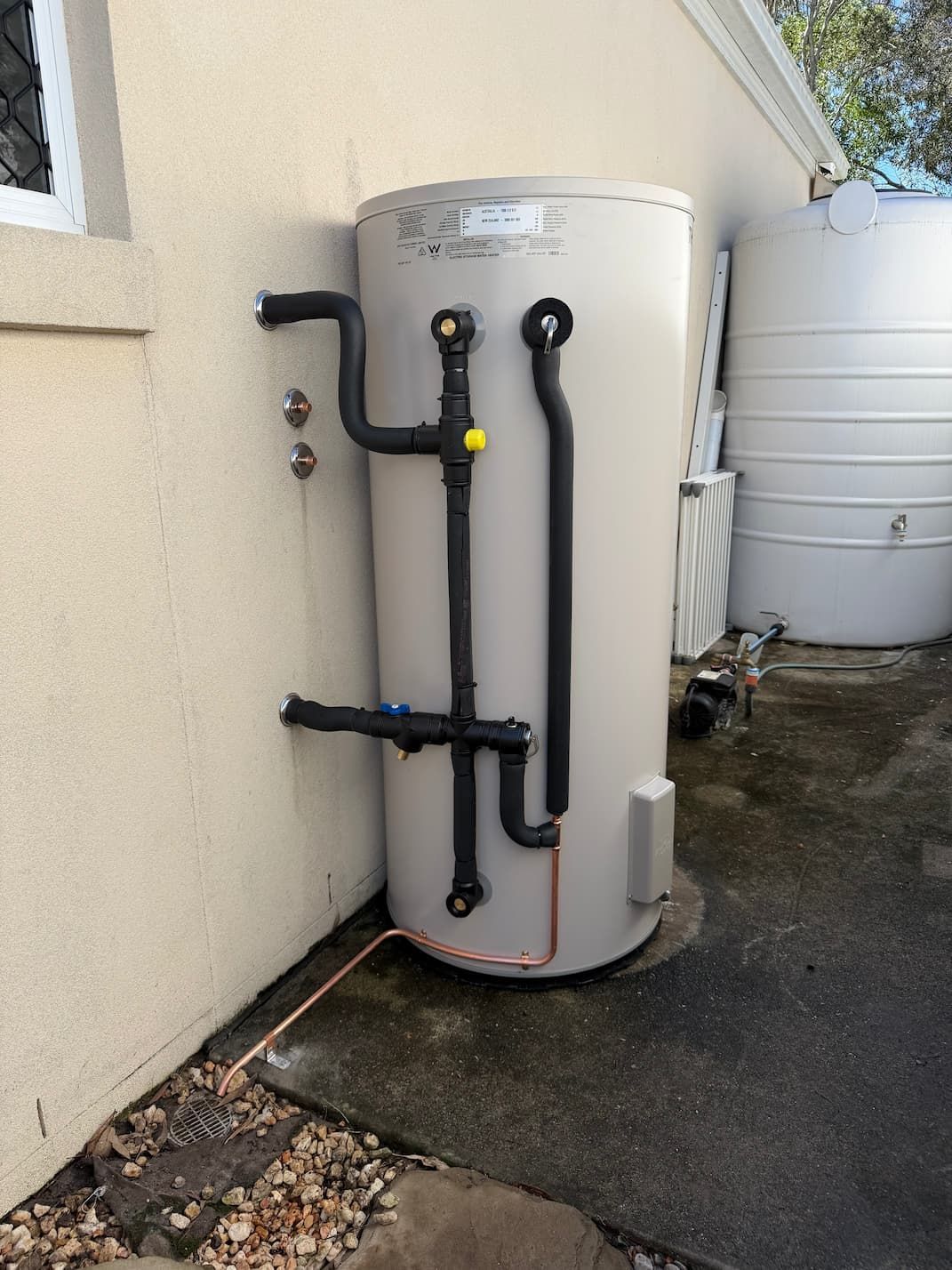
A storage gas system heats and stores hot water in a tank.
How it works:
- Cold water enters the tank
- A gas burner heats the water
- Heated water is stored until needed
These systems continuously maintain the water temperature, reheating automatically when it drops.
Common sizes:
- 135L
- 170L
- 250L
Storage systems are often used in larger families or homes with multiple bathrooms.
Instantaneous (Continuous Flow) Gas Hot Water Systems
Instantaneous systems heat water only when it’s needed.
How it works:
- No storage tank
- Water flows through a heat exchanger
- Gas ignites instantly when a tap is turned on
Hot water is delivered on demand, meaning you never “run out” of hot water.
These systems are extremely popular on the Sunshine Coast due to:
- Compact size
- Energy efficiency
- Unlimited hot water supply
How A Gas Hot Water System Works
Here’s what happens from the moment you turn on a hot tap.
Step 1: Cold Water Enters The System
When you turn on the hot tap, cold water flows into the hot water unit from the mains supply.
In storage systems, the water enters the bottom of the tank. In instantaneous systems, it flows directly into the heat exchanger.
Step 2: Gas Burner Ignites
The system detects water flow and triggers ignition.
Modern gas systems use:
- Electronic ignition
- Flame sensors
- Safety valves
There’s no permanent pilot light on most newer systems, improving efficiency.
Step 3: Water Is Heated
The gas burner produces a strong flame that heats:
- The tank water (storage system), or
- A copper or stainless-steel heat exchanger (instant system)
Gas provides rapid heat, allowing water to reach usable temperature very quickly.
Step 4: Hot Water Travels To Your Taps
Once heated, the hot water flows through insulated pipework to your:
- Showers
- Taps
- Washing machine
- Dishwasher
A tempering valve blends hot and cold water to deliver safe temperatures, particularly important in Queensland.
Step 5: System Cycles Automatically
Once the tap is turned off:
- The burner shuts down
- The system resets
Storage systems continue reheating water as required. Instant systems shut off completely until the next demand.
What Gas Is Used For Hot Water Systems?
Homes on the Sunshine Coast typically use one of two gas types.
Natural Gas
- Connected directly to the gas network
- Continuous supply
- Common in developed residential areas
LPG (Gas Bottles)
- Stored in cylinders on-site
- Very common in semi-rural and coastal areas
- Requires regular bottle replacement
Both types operate similarly, but system sizing and burner configuration differ.
Why Gas Heats Water Faster Than Electricity
Gas delivers intense heat instantly, whereas electric systems rely on slower heating elements.
Benefits of gas heating include:
- Faster recovery time
- Better performance during peak use
- Reduced wait time between showers
- Stronger hot water delivery
This is why gas systems are often preferred for families.
What Is A Tempering Valve And Why Is It Required?
In Queensland, hot water systems must deliver water at safe temperatures.
A tempering valve:
- Mixes hot and cold water
- Limits delivery temperature to around 50°C
- Prevents scalding
This is a legal safety requirement in most residential installations.
How Efficient Are Gas Hot Water Systems?
Modern gas systems are far more efficient than older models.
Efficiency depends on:
- System age
- Burner technology
- Insulation quality
- Correct sizing
Instantaneous gas systems are generally the most efficient because they only heat water when needed.
How Much Does A Gas Hot Water System Cost To Run?
Running costs vary based on:
- Household size
- Gas type (natural gas vs LPG)
- Water usage habits
- System efficiency
As a general guide in Queensland:
- Gas is often cheaper than electricity for water heating
- LPG costs can vary depending on bottle pricing
- Instant systems typically reduce wastage
Many households see consistent monthly savings compared to electric storage systems.
How Long Do Gas Hot Water Systems Last?
Typical lifespan:
- Storage gas systems: 8–12 years
- Instant gas systems: 12–20 years
Coastal conditions on the Sunshine Coast mean quality installation and corrosion-resistant components are important.
Do Gas Hot Water Systems Require Maintenance?
Yes — regular servicing improves performance and safety.
Maintenance may include:
- Burner inspection
- Gas pressure testing
- Heat exchanger cleaning
- Checking safety valves
- Inspecting flues and ventilation
Servicing every few years helps extend lifespan and prevent breakdowns.
Common Problems With Gas Hot Water Systems
Some common issues include:
- No hot water
- System not igniting
- Temperature fluctuations
- Low gas pressure
- Faulty ignition components
- Blocked heat exchangers
Many of these issues can be repaired without replacing the entire unit.
Storage vs Instant Gas Hot Water: Which Is Better?
Storage Gas Systems
Pros:
- Lower upfront cost
- Simple design
- Reliable for high demand
Cons:
- Limited hot water supply
- Heat loss from tank
Instant Gas Systems
Pros:
- Unlimited hot water
- Higher energy efficiency
- Compact size
Cons:
- Higher upfront cost
- Requires adequate gas supply
For many Sunshine Coast homes, instantaneous systems are now the preferred option.
Are Gas Hot Water Systems Safe?
When installed correctly by a licensed plumber, gas hot water systems are very safe.
Safety features include:
- Flame failure devices
- Automatic shut-off valves
- Temperature sensors
- Pressure relief valves
Compliance certificates are issued after installation to confirm safe operation.
When Should You Replace A Gas Hot Water System?
You may need replacement if:
- The unit is over 10–15 years old
- Repairs are becoming frequent
- Rust or leaks are visible
- Water temperature is inconsistent
- Efficiency has dropped
Upgrading can improve reliability and reduce ongoing costs.
Installation Considerations On The Sunshine Coast
Before installation, a gas fitter will assess:
- Gas supply size
- Ventilation and flue requirements
- Water pressure
- Location and clearance
- Compliance with QLD regulations
Correct installation is critical for safety and performance.
Conclusion
Gas hot water systems remain one of the most dependable and efficient options for Queensland homes. Whether using storage or instantaneous technology, gas provides fast, reliable hot water suited to busy households and warm climates like the Sunshine Coast.
Understanding how your system works helps you identify issues early, maintain performance, and make informed decisions when it’s time for repair or replacement.
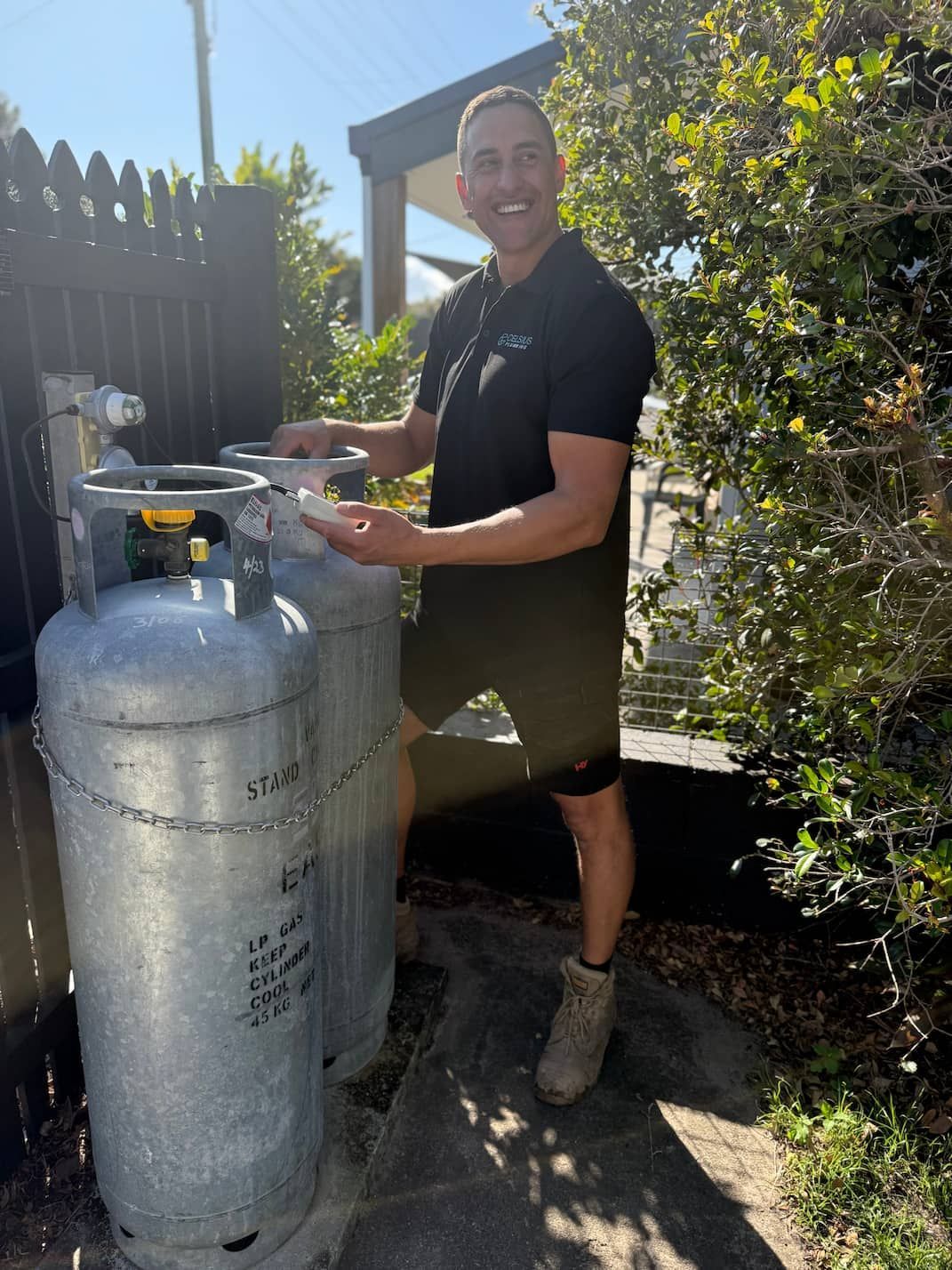
Written by Justin from Celsius Plumbing
Meet Justin, the owner of Celsius Plumbing. With over 15 years of industry experience, Justin combines technical expertise with a commitment to clear communication and reliable service.