How To Test A Hot Water Thermostat
If your hot water system is suddenly giving you lukewarm showers, inconsistent water temperatures, or no hot water at all, the thermostat could be part of the problem. The thermostat in your hot water system is responsible for regulating the water temperature and telling the heating element when to turn on and off. If it is faulty, your system may struggle to heat water properly or overheat unexpectedly.
The good news is that there are some signs you can look for to work out whether your thermostat may be the issue. However, because hot water systems involve electricity, heat, and pressurised water, it is important to approach any testing carefully and know when to leave it to a licensed professional.
In this guide, we’ll explain how a hot water thermostat works, the warning signs of a faulty thermostat, how to safely assess the issue, and when it is time to call a Sunshine Coast plumber.
What Does A Hot Water Thermostat Do?
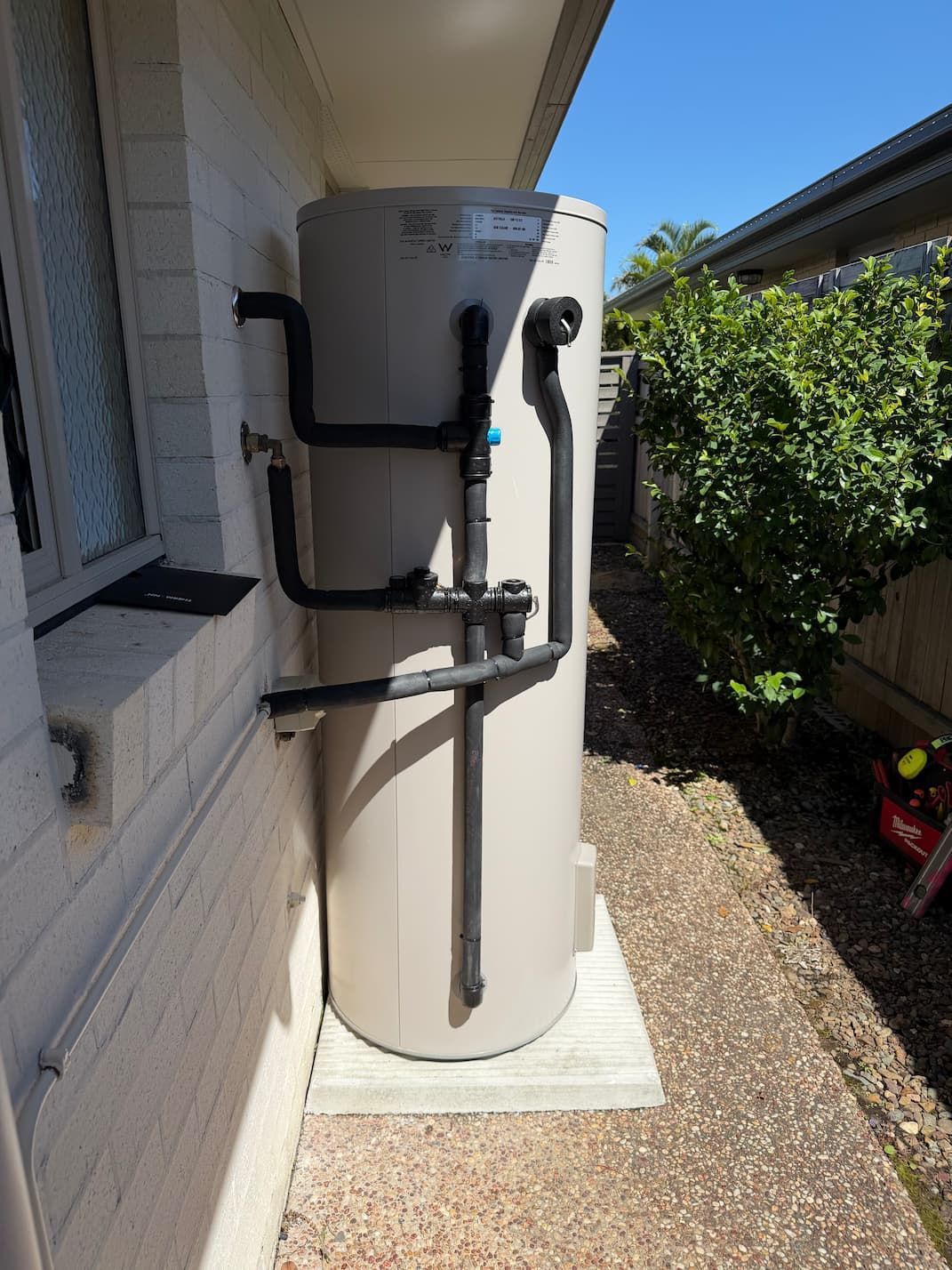
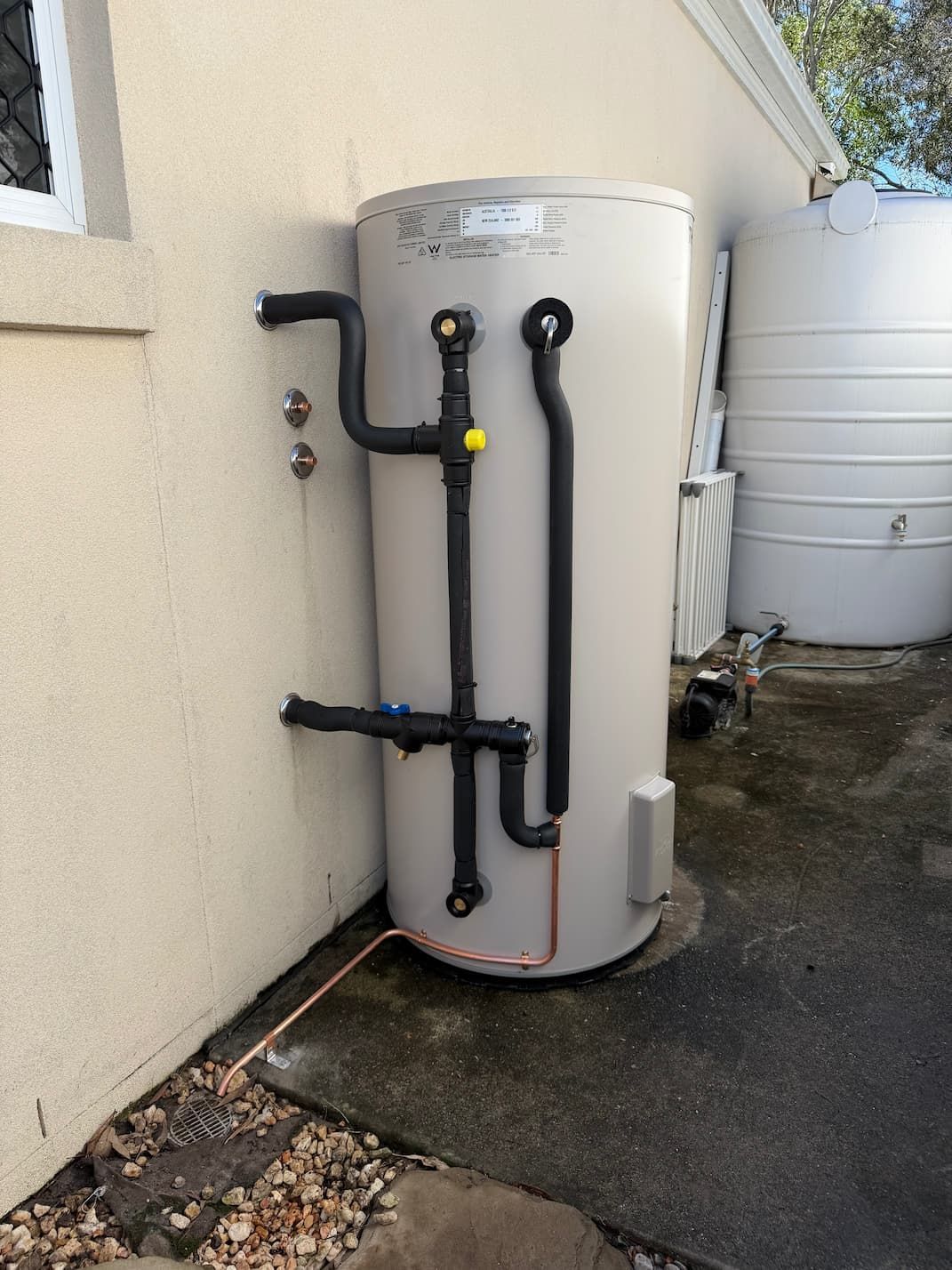
A thermostat is the temperature control device inside your electric hot water system. Its job is to monitor the temperature of the water in the tank and switch the heating element on or off as needed.
In simple terms, it helps make sure your water stays hot enough without overheating.
When it is working properly, the thermostat should:
- Turn the heating element on when the water gets too cool
- Switch the element off once the set temperature is reached
- Maintain a consistent water temperature
- Help protect the system from overheating
If the thermostat fails, the hot water system can become unreliable very quickly.
Signs Your Hot Water Thermostat Might Be Faulty
Before testing anything, it helps to know the common symptoms of a thermostat issue.
A faulty hot water thermostat can cause:
- Water that is not getting hot enough
- Water that is too hot
- Hot water running out too quickly
- Inconsistent water temperature
- No hot water at all
- The reset button tripping repeatedly
- The heating element not switching on properly
Some of these symptoms can also be caused by a failed heating element, electrical issue, or problem with the hot water system itself, which is why proper diagnosis matters.
Can You Test A Hot Water Thermostat Yourself?
Technically, testing a hot water thermostat often involves working with electrical components inside the system. That means there are safety risks involved.
If you are not licensed or confident around electrical work, you should not remove covers or test live components yourself.
That said, there are still some basic checks you can do safely to help identify whether the thermostat may be the issue before calling a professional.
Step 1: Check Whether The Water Is Consistently Too Hot Or Too Cold
One of the easiest first clues is the water temperature itself.
Ask yourself:
- Is the water only ever lukewarm?
- Does it go cold quickly?
- Is it scalding hot?
- Is the temperature changing from day to day?
If your water is consistently too cold or too hot, and there are no obvious issues like power outages or high hot water demand, the thermostat may not be regulating the tank temperature correctly.
This doesn’t confirm the thermostat is faulty, but it is a strong sign something is not right.
Step 2: Rule Out High Hot Water Usage
Before blaming the thermostat, it’s worth making sure the issue is not simply hot water demand.
For example, your system may run out of hot water if:
- Multiple showers are used back to back
- The dishwasher and washing machine are running at the same time
- There are more people in the household than usual
- The system is undersized for your needs
If the problem happens even during low usage periods, the thermostat or heating system becomes more likely.
Step 3: Check The Circuit Breaker Or Power Supply
If you have no hot water at all, the problem may not be the thermostat. It could simply be that the system is not receiving power.
Check your switchboard for:
- A tripped circuit breaker
- A switched-off hot water circuit
- Any obvious electrical faults
If the breaker has tripped and continues to trip again, there may be an issue with the thermostat, heating element, or another electrical component inside the unit.
Do not keep resetting it repeatedly without having the system checked.
Step 4: Press The Reset Button (If Applicable)
Some electric hot water systems have a reset button built into the thermostat. This is often a small safety switch that trips if the water gets too hot or if there is an issue within the system.
If your unit has one and you can safely access it according to the manufacturer’s instructions, you may be able to try pressing it once.
If the reset button trips again soon after, that is a sign something is wrong and the thermostat or heating element may need professional testing or replacement.
Important: If accessing the thermostat area requires removing electrical covers, stop there and call a licensed professional.
Step 5: Listen For The System Trying To Heat
Sometimes a hot water system gives clues through sound.
If the thermostat is functioning, the system may make subtle heating noises as the element operates. If the unit never seems to cycle on, or the water remains cold for an extended period, it may indicate the thermostat is not telling the element to heat.
This is not a precise test, but it can be another helpful clue when combined with the other symptoms.
How Professionals Test A Hot Water Thermostat
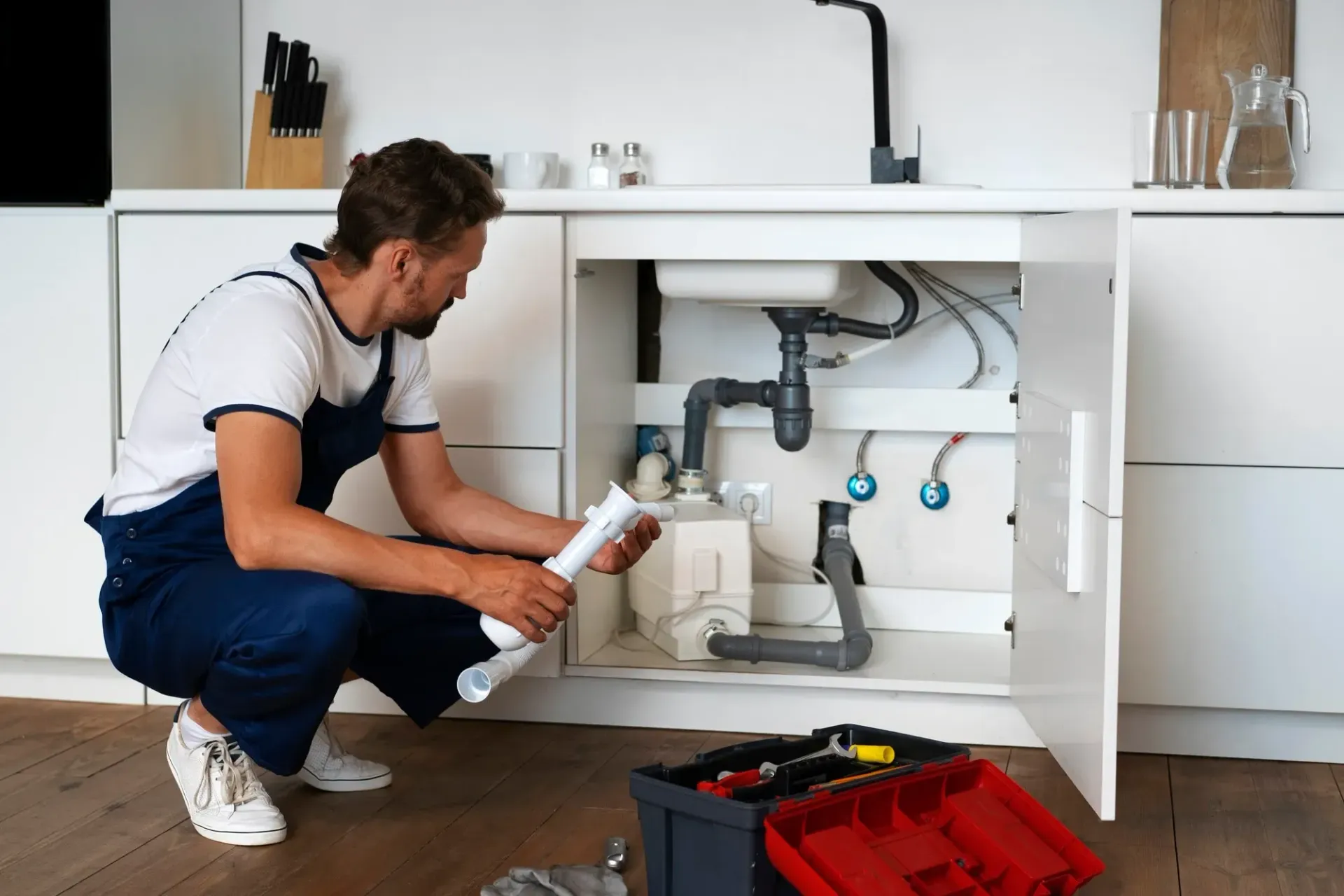
A licensed electrician or qualified hot water technician can properly test a thermostat using electrical testing equipment.
This usually involves:
- Isolating the power safely
- Removing the access cover
- Testing the thermostat with a multimeter
- Checking whether the thermostat is sending power to the heating element
- Confirming the continuity and operation of both the thermostat and element
This is the most accurate way to determine whether the thermostat is faulty or whether another part of the system is actually causing the issue.
In many cases, what seems like a thermostat fault may actually be:
- A failed heating element
- Burnt wiring
- A tripped safety switch
- Internal corrosion or tank issues
That is why guessing can lead to replacing the wrong part.
What Causes A Hot Water Thermostat To Fail?
Like any component, thermostats can wear out over time. They are exposed to regular heating cycles and internal temperature changes, so eventually they can fail or become unreliable.
Common causes include:
- Age and general wear
- Electrical faults
- Overheating
- Moisture or corrosion
- Faulty internal contacts
- Power surges
If your hot water system is older and you are already noticing inconsistent performance, a thermostat issue becomes more likely.
Thermostat Problem Or Heating Element Problem?
This is where many people get caught out. A thermostat and a heating element can cause very similar symptoms.
Faulty thermostat symptoms may include:
- Water too hot or too cold
- Inconsistent temperatures
- Element not switching on or off properly
Faulty heating element symptoms may include:
- No hot water
- Water taking too long to heat
- Running out of hot water quickly
Because the two often work hand in hand, it is common for both to be checked at the same time.
When To Call A Professional
If you suspect your hot water thermostat is faulty, it is best to call a licensed professional if:
- You have no hot water
- The water temperature is inconsistent
- The reset button keeps tripping
- The circuit breaker keeps tripping
- The water is dangerously hot
- You are unsure whether it is the thermostat or element
- Accessing the thermostat requires electrical work
Hot water systems are not something you want to guess your way through, especially when electricity is involved.
A professional can safely diagnose the issue and tell you whether the thermostat needs resetting, repairing, or replacing.
Don’t Ignore Hot Water Problems
A faulty thermostat might seem like a small issue at first, but it can quickly turn into bigger frustration if left unresolved. No one wants unreliable showers, inconsistent hot water, or a system that stops working altogether.
The best thing to do is pay attention to the warning signs, rule out the simple causes, and get the system properly checked if the issue continues.
If your hot water is too cold, too hot, or not lasting the way it should, the thermostat could be the reason. And when in doubt, having it tested by a licensed professional is always the safest move.
Written by Justin from Celsius Plumbing
Meet Justin, the owner of Celsius Plumbing. With over 15 years of industry experience, Justin combines technical expertise with a commitment to clear communication and reliable service.