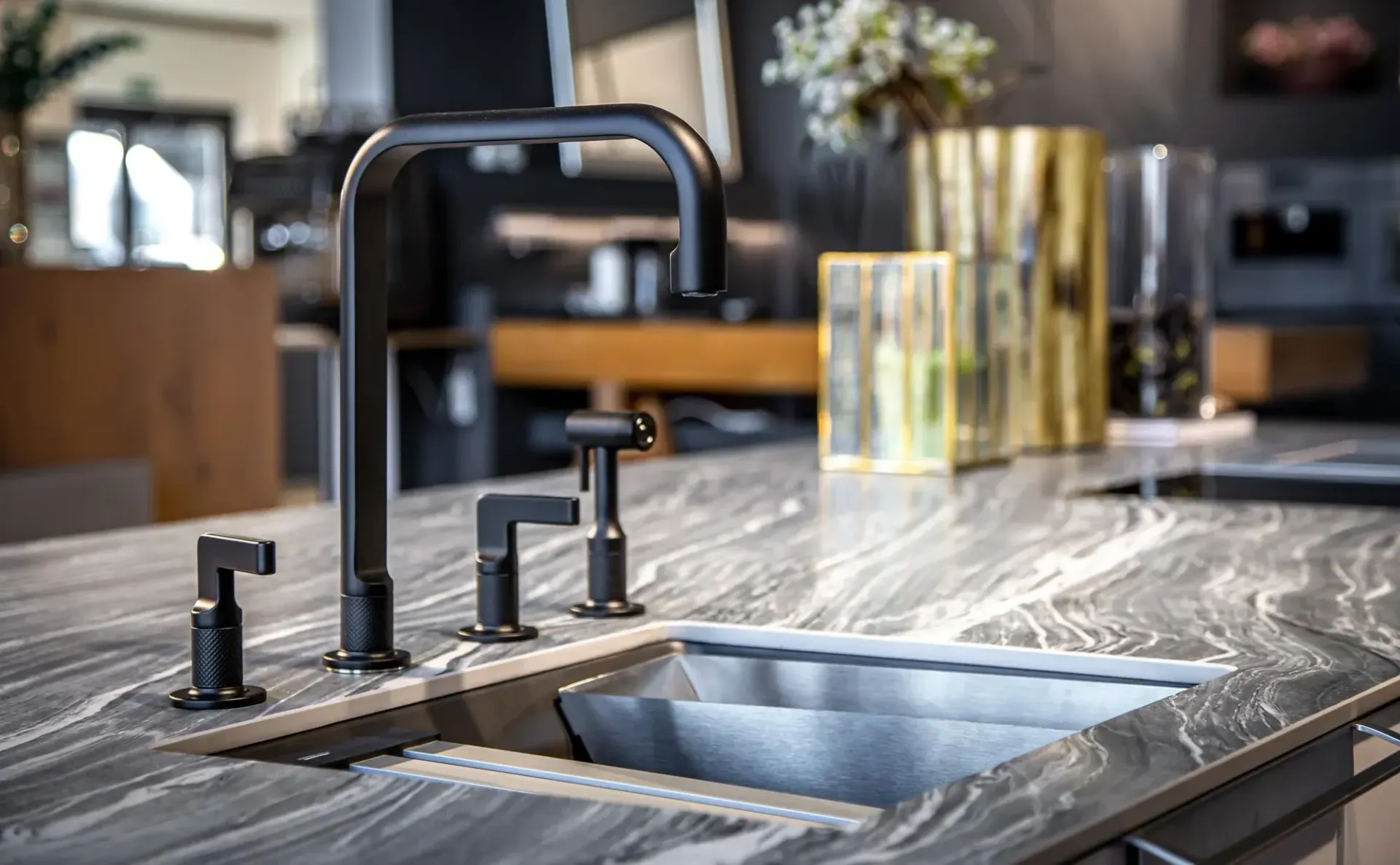
Smelly Kitchen Sink: What To Do Next
A smelly kitchen sink can make your entire kitchen feel unpleasant, even when everything else is spotless. Whether it’s a sour odour, a greasy smell or something that smells more like sewer gas, bad smells coming from the kitchen sink are usually a sign that something is building up inside the drain or plumbing system that shouldn’t be there.
At Celsius Plumbing, smelly kitchen sinks are one of the most common drainage problems we help homeowners with across the Sunshine Coast. In many cases, the smell is caused by grease, food residue and bacteria building up inside the kitchen waste pipe over time. Other times, the issue can point to a partially blocked drain, dishwasher drainage issue or even a sewer venting problem.
The good news is that many kitchen sink odours can be improved early before they turn into major blocked drain issues.
In this guide, we’ll explain:
- The most common causes of kitchen sink smells
- What you can safely try at home
- Signs the problem may be deeper in the plumbing system
- When it’s time to call a plumber
Why Does My Kitchen Sink Smell?
Kitchen sinks deal with a huge amount of waste every day, including:
- Food scraps
- Oils and grease
- Soap residue
- Coffee grounds
- Sauces
- Dirty dishwater
Even when you’re careful, small particles and grease gradually stick to the inside of your pipes. Over time, bacteria and organic matter begin breaking down, creating unpleasant odours inside the drain system.
The Most Common Kitchen Sink Smell Problems We See
At Celsius Plumbing, some of the most common causes of recurring kitchen sink smells we find include:
- Grease build-up inside waste pipes
- Partially blocked kitchen drains
- Dirty sink traps
- Dishwasher waste line issues
- Food residue trapped in the drain
- Sewer venting problems
- Stagnant water in rarely used sinks
In many homes, the smell may temporarily improve after cleaning, only to return because the underlying issue deeper inside the plumbing hasn’t been fully resolved.
The Most Common Cause: Grease & Food Build-Up
One of the biggest causes of smelly kitchen sinks is grease and food residue slowly accumulating inside the waste pipe.
When oils, fats and grease go down the sink, they may initially flow through as liquids. However, once they cool, they begin sticking to the inside of the pipe walls.
Over time, this sticky build-up traps:
- Food particles
- Coffee grounds
- Rice
- Soap residue
- Organic waste
As bacteria begin feeding on this material, unpleasant smells develop inside the drain.
This is especially common in busy households where the kitchen sink gets heavy daily use.
Why Kitchen Sink Smells Keep Coming Back
One of the most frustrating things homeowners experience is when the smell temporarily disappears after cleaning but quickly returns again.
This usually happens because:
- Grease remains deeper in the pipe
- A partial blockage hasn’t been cleared properly
- The sink trap is contaminated
- Dishwasher waste is backing into the line
- Biofilm and bacteria remain inside the pipe
- A sewer venting issue is affecting drainage
Temporary DIY cleaning may only remove surface-level residue while the main issue remains further down the waste line.
Start By Cleaning The Sink Plug & Waste Fitting
Before assuming the issue is deeper in the plumbing, start with the visible components around the drain opening.
The sink plug, basket strainer and waste fitting can trap:
- Food scraps
- Grease
- Soap scum
- Bacterial slime (biofilm)
This build-up often creates strong sour or rotten smells.
What To Look For
Remove the sink plug or basket strainer and check for:
- Slimy residue
- Trapped food particles
- Greasy build-up
- Black sludge
- Stale odours
Clean thoroughly using:
- Hot water
- Dishwashing liquid
- A scrub brush
- Rubber gloves
Also clean slightly inside the drain opening where residue commonly builds up.
Flush The Drain With Hot Water
Once the visible parts are cleaned, flushing the drain with hot water can help loosen grease and residue sitting further inside the pipe.
Slowly pour very hot water down the drain in stages.
This may help:
- Melt light grease build-up
- Flush away soap residue
- Reduce minor odours
- Improve drainage slightly
However, if the smell keeps returning, the build-up is usually more significant or located deeper within the pipework.
Try A Safe DIY Drain Clean
Baking Soda & Vinegar
A baking soda and vinegar flush can help freshen kitchen sink drains and break down light organic residue.
How To Do It
- Pour half a cup of baking soda into the drain
- Follow with one cup of white vinegar
- Allow it to fizz for 15–30 minutes
- Flush thoroughly with hot water
This can help reduce odours caused by light build-up.
Salt & Hot Water
Salt and hot water can also help loosen grease clinging to the inside of the pipe.
Try:
- Pouring salt into the drain
- Following with hot water
- Allowing it to flush through the waste line
Avoid Harsh Chemical Drain Cleaners
Chemical drain cleaners are not always the best solution for smelly kitchen sinks.
While they may temporarily reduce odours, they often:
- Fail to remove deeper blockages
- Damage pipework over time
- Harm seals and fittings
- Create dangerous fumes
At Celsius Plumbing, we regularly attend blocked drain jobs where repeated chemical cleaner use has damaged plumbing components without actually solving the underlying issue.
Don’t Forget The Sink Overflow
If your sink has an overflow opening, this could also be where the smell is coming from.
Overflow channels can collect:
- Soap residue
- Food particles
- Grease
- Bacteria
Because they’re rarely cleaned, stagnant residue inside the overflow can create unpleasant odours.
How To Clean The Overflow
- Pour warm water into the overflow opening
- Flush with vinegar and hot water
- Use a small cleaning brush if accessible
This is often overlooked but can make a noticeable difference.
Could Your Dishwasher Be Causing The Smell?
Dishwashers are commonly connected to the same kitchen waste line as the sink, which means drainage problems can affect both appliances.
At Celsius Plumbing, dishwasher waste hose issues are a surprisingly common source of recurring kitchen sink odours.
Signs The Dishwasher May Be Involved
- The smell worsens after dishwasher use
- Water backs up into the sink
- The dishwasher smells musty
- Gurgling noises occur during drainage
- The sink smells stronger after hot wash cycles
Food residue and grease can build up inside:
- Dishwasher drain hoses
- Shared waste lines
- Sink connection points
If the dishwasher waste line isn’t draining correctly, odours can repeatedly return.
Could It Be A Blocked Kitchen Sink Drain?
If your sink smells bad AND drains slowly, there’s a good chance a partial blockage is forming somewhere in the kitchen waste line.
Unlike a complete blockage, partial blockages still allow water through — just not efficiently.
This leaves:
- Stagnant water
- Trapped grease
- Food residue
- Bacteria
sitting inside the pipe and creating smells.
Signs Of A Partially Blocked Kitchen Sink
- Slow drainage
- Gurgling sounds
- Water backing up
- Recurring smells
- Bubbling noises
- Water rising in double sinks
Kitchen drains are especially prone to blockages because grease and food waste naturally accumulate over time.
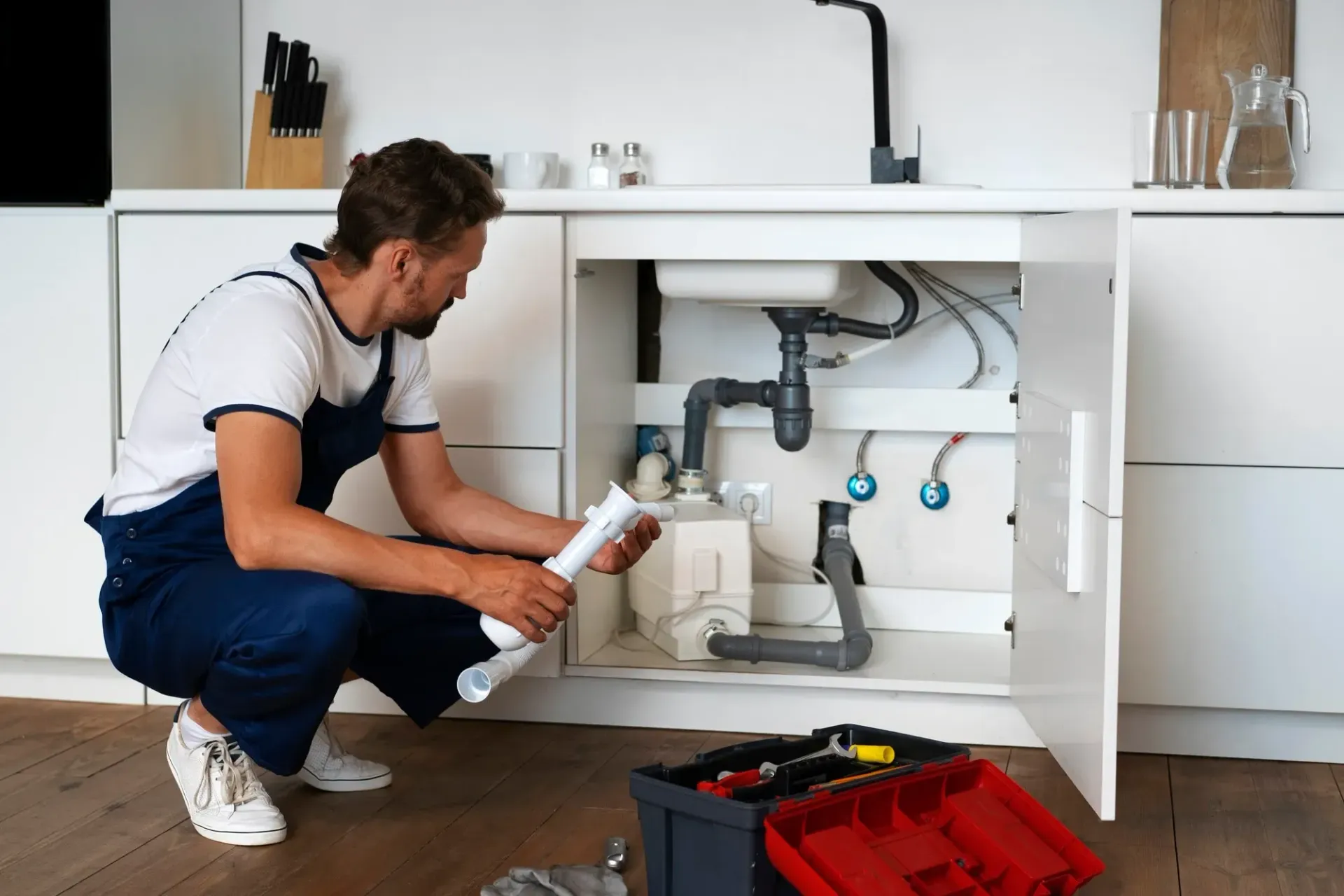
Check The Sink Trap Underneath
Underneath your sink is a curved pipe called a P-trap.
Its purpose is to hold water that prevents sewer gases from entering the home.
Common Sink Trap Problems
- Dirty stagnant water
- Grease accumulation
- Food build-up
- Leaks or poor seals
- Dry traps in unused sinks
If the smell seems stronger underneath the sink cabinet rather than directly above the drain, the trap could be contributing to the issue.
What If The Sink Smells Like Sewer Gas?
A strong rotten egg or sewer smell is different from ordinary food odours and may indicate a larger drainage or venting issue.
Possible causes include:
- Dry or faulty sink traps
- Cracked waste pipes
- Blocked plumbing vents
- Sewer line issues
- Drainage pressure problems
Sewer gas smells should never be ignored, especially if:
- Multiple drains smell
- Toilets gurgle
- Drains back up
- Outdoor drains overflow
These symptoms can indicate larger drainage or sewer problems.
Why Does The Smell Get Worse At Certain Times?
Many homeowners notice kitchen sink smells worsen:
- After using hot water
- When running the dishwasher
- After washing greasy pans
- First thing in the morning
- After the sink hasn’t been used for several hours
This usually happens because warm water and movement disturb residue inside the pipe and release trapped odours.
How Plumbers Fix Smelly Kitchen Sink Drains
If DIY cleaning doesn’t solve the problem, plumbers can use professional equipment to properly diagnose and clear the issue.
At Celsius Plumbing, common solutions include:
- Drain inspections
- CCTV drain camera inspections
- High-pressure drain jetting
- Sink trap cleaning
- Waste line clearing
- Sewer vent inspections
Professional equipment allows deeper grease build-up and hidden drainage issues to be identified properly.
How To Prevent Kitchen Sink Smells
Avoid Pouring Grease Down The Sink
One of the best ways to prevent kitchen drain odours is to keep oils, fats and grease out of the plumbing system.
Instead:
- Let grease cool in containers
- Scrape food into the bin
- Wipe greasy pans before washing
Use A Sink Strainer
A sink strainer helps prevent food scraps from entering the drain and contributing to blockages.
Flush With Hot Water Regularly
Running hot water after washing dishes can help move grease and residue through the pipe before it settles.
Clean The Sink Drain Weekly
Regularly cleaning the:
- Sink plug
- Basket strainer
- Drain opening
- Overflow
can significantly reduce odour build-up.
When To Call A Plumber
It’s best to contact a plumber if:
- The smell keeps returning
- Your sink drains slowly
- Water backs up
- DIY methods fail
- Multiple drains smell
- The odour smells like sewer gas
- Gurgling sounds occur regularly
The earlier drainage problems are identified, the easier they’re usually to fix.
Conclusion
A smelly kitchen sink is often a sign that grease, food waste, bacteria or drainage issues are building up somewhere inside the plumbing system. While simple cleaning methods can sometimes improve minor odours, recurring smells usually indicate a deeper issue within the waste line or drainage system.
At Celsius Plumbing, we regularly help Sunshine Coast homeowners solve recurring kitchen sink smells caused by grease build-up, blocked waste lines, dishwasher drainage issues and hidden plumbing problems. If your kitchen sink smell keeps returning, our team can identify the cause and get your kitchen drain flowing and smelling properly again.
Written by Justin from Celsius Plumbing
Meet Justin, the owner of Celsius Plumbing. With over 15 years of industry experience, Justin combines technical expertise with a commitment to clear communication and reliable service.