How To Detect A Gas Leak
A gas leak is one of those household issues you never want to ignore. Even a small leak can pose serious risks to your health, safety, and property if it is not identified and dealt with quickly. Whether the leak is coming from a gas cooktop, hot water system, heater, or gas line, knowing the warning signs can help you act fast and stay safe.
The challenge is that gas leaks are not always obvious. Sometimes the signs are strong and immediate, while other times they can be subtle and easy to dismiss at first. That is why it is important to know what to look for, what to do, and when to call a licensed gas fitter.
In this guide, we’ll explain how to detect a gas leak, the common warning signs, what causes them, and the most important steps to take if you think there may be a leak in your home or property.
Why Gas Leaks Are So Serious
Gas appliances are common in many Australian homes and businesses. They are often used for cooking, heating, hot water, and outdoor entertaining. When installed and maintained properly, gas systems are generally safe and efficient. But if something goes wrong, even a small leak can quickly become dangerous.
A gas leak can lead to:
- Fire or explosion risks
- Exposure to harmful gas
- Headaches, dizziness, or nausea
- Damage to appliances or pipework
- Increased gas bills
- Serious health and safety concerns
Because of these risks, it is important to treat any suspected gas leak as urgent and avoid trying to investigate it too deeply yourself.
What Does A Gas Leak Smell Like?
One of the most common ways people detect a gas leak is by smell.
Natural gas itself does not have a strong smell in its natural state, but suppliers add a chemical called mercaptan to make leaks easier to detect. This gives gas a distinct odour that is often described as:
- Rotten eggs
- Sulphur
- A strong “off” or chemical smell
If you notice this smell in or around your home, especially near a gas appliance, meter, or gas line, it should never be ignored.
Some people notice the smell strongly, while others describe it as faint but unusual. Even if the smell comes and goes, it is worth taking seriously.
The Most Common Signs Of A Gas Leak
While smell is one of the biggest warning signs, it is not the only one. Gas leaks can also show up through sounds, appliance issues, physical symptoms, or visible signs around the property.
Here are some of the most common indicators to watch for.
1. A Rotten Egg Or Sulphur Smell
This is the classic sign of a gas leak and one of the easiest to identify.
If you walk into a room and notice a strong sulphur or rotten egg smell, particularly near a gas appliance, do not ignore it. This smell often becomes more noticeable in enclosed spaces where gas has had time to accumulate.
Even a faint gas smell can be a warning sign.
2. Hissing Or Whistling Sounds
Gas escaping from a pipe, fitting, or appliance can sometimes create a hissing or whistling sound.
This may happen if there is:
- A loose connection
- A damaged gas line
- A faulty valve
- A leak around an appliance fitting
If you hear a hissing noise near a gas appliance, gas bottle, or gas meter, it is worth taking seriously.
3. Pilot Lights That Keep Going Out
If you have older gas appliances with pilot lights and they keep going out unexpectedly, it may be a sign something is not right.
While there can be a few reasons for this, a gas leak or pressure issue may be contributing to the problem.
This can happen with:
- Gas heaters
- Hot water systems
- Older gas cooktops or ovens
If an appliance is not operating the way it normally does, it should be checked by a licensed professional.
4. Unusual Appliance Performance
Gas appliances often give warning signs before a leak becomes obvious.
You may notice:
- Burners not lighting properly
- A weak or inconsistent flame
- Yellow or orange flames instead of blue
- A gas heater that smells strange when running
- Hot water systems not performing as expected
A healthy gas flame is usually blue. If the flame colour changes or the appliance starts behaving differently, it may point to an issue with gas flow, combustion, or a leak.
5. Physical Symptoms Indoors
Sometimes people notice the effects of a gas leak before they identify the source.
Exposure to leaking gas can cause symptoms such as:
- Headaches
- Dizziness
- Nausea
- Fatigue
- Light-headedness
- Trouble concentrating
If multiple people in the home start feeling unwell, especially when indoors or near a certain area of the house, it is worth considering whether a gas issue could be involved.
Pets may also show signs before humans do, so unusual lethargy or behaviour in animals can sometimes be an early clue too.
6. Dead Plants Or Patchy Grass Near Gas Lines
If you have an outdoor gas line and there is a leak underground, you may notice changes in the surrounding garden or lawn.
Potential signs include:
- A patch of dead grass
- Plants suddenly dying for no obvious reason
- Soil that seems unusually dry or disturbed
- Bubbling in wet ground
This can happen when leaking gas affects the soil and plant roots.
If you notice these signs near your gas meter, outdoor gas line, or where gas appliances are connected outside, it may be worth having the area inspected.
7. Higher Than Normal Gas Bills
A gas leak is not always obvious day to day, especially if it is small and ongoing. Sometimes one of the first signs is simply a gas bill that is much higher than normal.
If your gas usage suddenly increases but your household habits have not changed, there may be:
- A leak in the system
- An appliance fault
- An efficiency issue causing excess gas use
While a high bill alone does not confirm a gas leak, it can definitely be a sign that something needs checking.
Where Gas Leaks Commonly Happen
Gas leaks can happen in a few different areas around a home or business.
Some of the most common places include:
- Around gas cooktops or ovens
- Gas hot water systems
- Gas heaters
- Outdoor BBQ gas connections
- LPG bottles and regulators
- Gas meters
- Pipe joints and fittings
- Underground gas lines
Leaks can happen due to wear and tear, loose fittings, corrosion, damage, poor installation, or ageing components.
That is why regular servicing and proper installation by a licensed gas fitter is so important.
How To Safely Check For A Gas Leak
If you suspect a gas leak, your safety should always come first. It is important not to start pulling apart appliances or trying risky DIY checks.
There are only a few safe things you can do initially.
Trust Your Senses
If you smell gas, hear hissing, or notice any of the warning signs listed above, take them seriously. You do not need to “prove” there is a leak before taking action.
Look For Obvious Appliance Issues
Without touching anything unnecessarily, you may be able to observe:
- Whether the smell is stronger near a certain appliance
- Whether a burner flame is yellow instead of blue
- Whether an appliance is behaving unusually
Do not start dismantling appliances or testing fittings yourself.
Use Soapy Water On Accessible External Connections Only
In some outdoor situations, such as around an LPG gas bottle fitting or BBQ connection, soapy water can sometimes reveal a leak by forming bubbles where gas is escaping.
However, this should only ever be used on very obvious, accessible external fittings and never as a substitute for professional testing. If there is any uncertainty at all, leave it alone and call a licensed gas plumber.
What To Do If You Suspect A Gas Leak
If you think there may be a gas leak, it is important to act quickly and calmly.
Here is what to do next.
Turn Off The Gas Supply If It Is Safe To Do So
If you know where the gas isolation valve is and it is safe to access, turn off the gas supply.
Do not do this if it means walking into a strong gas smell or unsafe area.
Open Doors & Windows
Ventilate the area by opening windows and doors to allow fresh air in and help disperse the gas.
This is especially important if the smell is inside the home.
Do Not Use Electrical Switches Or Flames
This part is critical.
If you suspect a gas leak:
- Do not turn lights on or off
- Do not use power points
- Do not use appliances
- Do not light matches or lighters
- Do not smoke
- Do not use anything that could create a spark
Even a small spark can be dangerous in the presence of gas.
Leave The Area If The Smell Is Strong
If the smell is strong or you feel unwell, leave the area immediately and move to a safe distance.
If necessary, evacuate the home and keep others away until the issue has been checked.
Call A Licensed Gas Plumber Or Emergency Gas Service
Once you are safe, contact a licensed gas plumber or your local gas emergency provider.
A qualified professional can:
- Test the system safely
- Locate the leak
- Repair or isolate the issue
- Check appliances and fittings
- Confirm the area is safe again
Gas leaks are never something to leave for later.
Why You Should Never Ignore A Suspected Gas Leak
One of the biggest mistakes homeowners make is assuming the smell will go away or that it is “probably nothing.”
Gas leaks can worsen over time, and even small leaks can become dangerous if ignored.
Delaying action can increase the risk of:
- Fire
- Explosion
- Carbon monoxide or combustion-related issues
- Damage to appliances or property
- Ongoing gas wastage and higher bills
If something feels off, it is always better to get it checked early.
How To Prevent Gas Leaks In The Future
While not every gas leak can be predicted, there are some smart ways to reduce the risk.
Have Gas Appliances Serviced Regularly
Routine servicing helps make sure your gas appliances are operating safely and efficiently. This can also help identify worn parts or minor leaks before they become serious.
Only Use Licensed Gas Fitters
Any gas installation, repair, or modification should always be carried out by a licensed gas fitter. DIY gas work is not only unsafe, but also illegal in Australia.
Replace Ageing Components
Old regulators, hoses, valves, and fittings can wear out over time. If your gas system is older, it may be worth having key components checked.
Pay Attention To Early Warning Signs
Unusual smells, flame changes, appliance faults, or rising gas bills should never be brushed off.
The sooner a gas issue is identified, the easier and safer it usually is to fix.
Don’t Take Chances With A Gas Leak
A gas leak is not something to guess about or leave until later. If you smell gas, hear hissing, notice appliance issues, or suspect something is wrong, the safest thing you can do is act quickly and get professional help.
Knowing how to detect a gas leak can make all the difference when it comes to protecting your home, family, and property. Even if it turns out to be something minor, it is always better to be cautious when gas is involved.
If you think you may have a gas leak, contact a licensed gas plumber as soon as possible and have the issue properly assessed before it becomes a bigger risk.
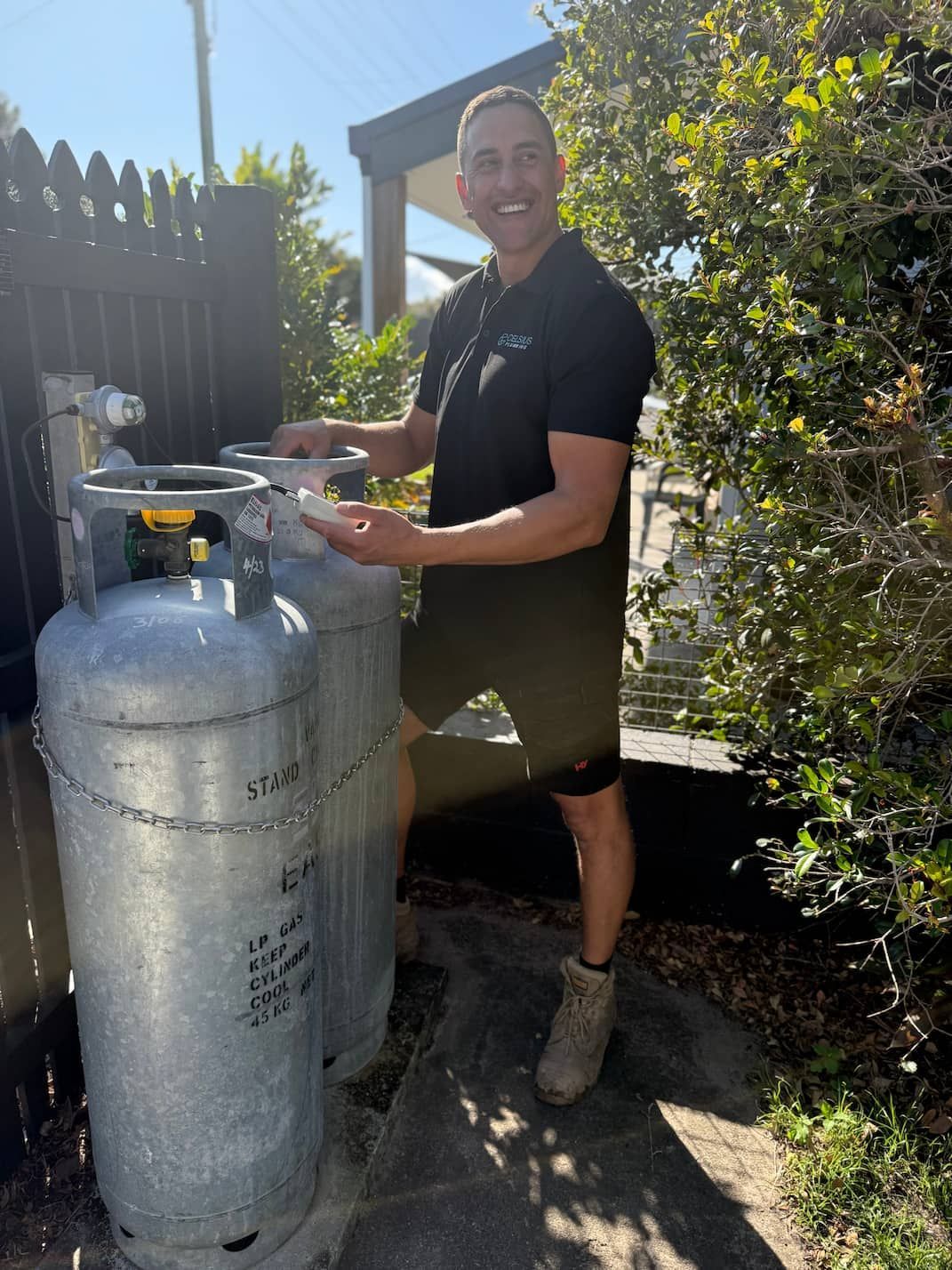
Written by Justin from Celsius Plumbing
Meet Justin, the owner of Celsius Plumbing. With over 15 years of industry experience, Justin combines technical expertise with a commitment to clear communication and reliable service.