What Is RO Water Filter?
Clean, safe drinking water is something most households rely on every day. While Australian tap water is generally treated and considered safe to drink, many homeowners still notice issues such as chlorine taste, mineral content, sediment or concerns about impurities in their water supply.
One of the most effective ways to improve drinking water quality at home is by installing an RO water filter.
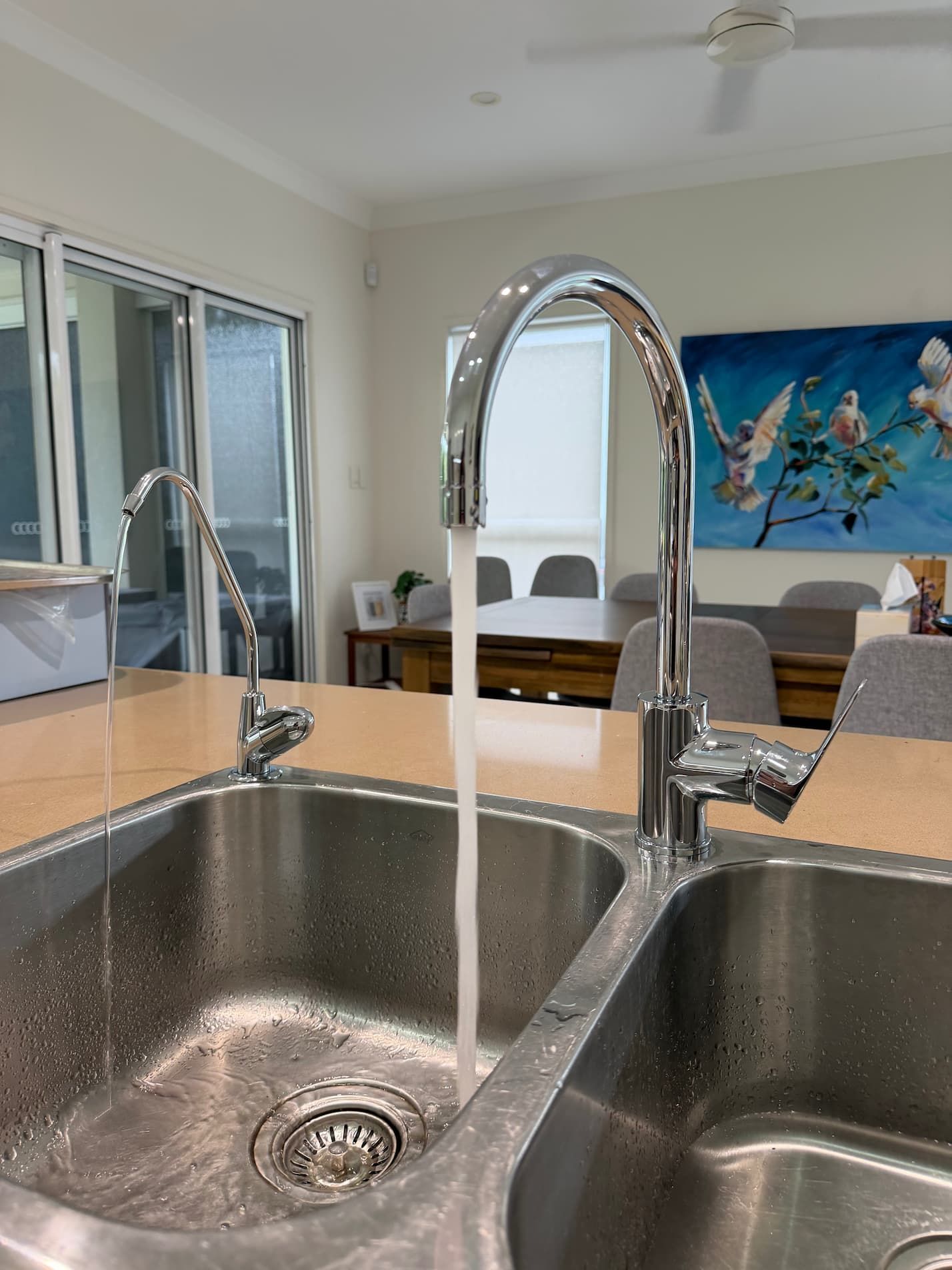
RO stands for reverse osmosis — an advanced water filtration process that removes a wide range of contaminants using a specialised semi-permeable membrane. Reverse osmosis systems are commonly installed underneath kitchen sinks and provide purified drinking water through a dedicated tap.
At Celsius Plumbing, we regularly install under-sink water filtration systems across the Sunshine Coast for homeowners wanting cleaner-tasting water, reduced chlorine and more advanced filtration than standard tap filters provide.
In this guide, we’ll explain:
- What an RO water filter is
- How reverse osmosis works
- What contaminants RO systems remove
- The pros and cons of RO filtration
- Common issues we see with RO systems
- Whether reverse osmosis is worth it in Australia
What Does RO Mean?
RO stands for reverse osmosis.
Reverse osmosis is a filtration process that uses water pressure to force water through an extremely fine membrane that blocks contaminants while allowing purified water molecules to pass through.
Because the membrane pores are so small, reverse osmosis systems can remove many contaminants that standard carbon filters cannot.
RO systems are widely used in:
- Residential drinking water systems
- Commercial kitchens
- Medical facilities
- Laboratories
- Aquariums
- High-purity water applications
In homes, reverse osmosis systems are most commonly installed under kitchen sinks to provide purified water for:
- Drinking
- Cooking
- Tea and coffee
- Ice makers
How Reverse Osmosis Works
Reverse osmosis systems use multiple filtration stages to purify water thoroughly.
Step 1: Sediment Pre-Filter
Water first passes through a sediment filter that removes larger particles such as:
- Dirt
- Rust
- Sand
- Sediment
This helps protect the more sensitive filters and membrane later in the system.
Step 2: Carbon Filtration
The water then moves through activated carbon filters that help remove:
- Chlorine
- Chemicals
- Odours
- Bad tastes
- Certain pesticides
This stage significantly improves the taste and smell of drinking water.
Step 3: Reverse Osmosis Membrane
The RO membrane is the main filtration component.
At this stage, pressure pushes water through an ultra-fine semi-permeable membrane that removes:
- Heavy metals
- Dissolved salts
- Fluoride
- Nitrates
- Lead
- Arsenic
- Certain bacteria and microorganisms
The contaminants that cannot pass through the membrane are flushed away as wastewater.
Step 4: Post-Filter Stage
Many systems include a final polishing carbon filter to improve taste before the water reaches the drinking tap.
The purified water is then stored in a small pressurised storage tank until needed.
What Does An RO Water Filter Remove?
Reverse osmosis systems are capable of removing a wide range of contaminants from drinking water.
Depending on the system configuration, RO filtration may reduce:
- Chlorine
- Fluoride
- Lead
- Heavy metals
- Dissolved salts
- Sediment
- Nitrates
- Certain bacteria
- Pesticides
- Unpleasant tastes and odours
Because of this advanced filtration capability, reverse osmosis is considered one of the most effective household water purification methods available.
Does RO Water Taste Different?
Yes — many homeowners notice a significant difference in taste after installing an RO system.
Because chlorine, minerals and impurities are reduced, RO water often tastes:
- Cleaner
- Fresher
- Smoother
At Celsius Plumbing, many Sunshine Coast homeowners choose reverse osmosis systems primarily to improve the taste and smell of their drinking water.
Filtered water can also noticeably improve:
- Tea
- Coffee
- Ice
- Cooking
Is RO Water Safe To Drink?
Yes — reverse osmosis water is generally considered very safe to drink.
RO systems are specifically designed to improve drinking water quality by reducing contaminants and impurities.
However, because reverse osmosis removes many dissolved minerals, some homeowners prefer adding remineralisation filters that restore certain minerals back into the water.
Does Reverse Osmosis Remove Fluoride?
Many reverse osmosis systems can significantly reduce fluoride levels in drinking water.
This is one of the reasons many households specifically choose RO filtration over basic carbon water filters.
Is RO Water Worth It In Australia?
For many Australian households, reverse osmosis systems can absolutely be worthwhile.
At Celsius Plumbing, homeowners often choose RO systems because they want:
- Better tasting water
- Reduced chlorine taste
- Advanced filtration
- Less reliance on bottled water
- Convenient filtered water access at home
On the Sunshine Coast, many homes already have relatively good water quality, but some people are still sensitive to:
- Chlorine taste
- Mineral content
- Sediment
- Tank water impurities
Reverse osmosis provides an additional level of filtration and peace of mind for households wanting highly purified drinking water.
RO Water Filters vs Standard Carbon Filters
One of the biggest differences between RO systems and standard water filters is filtration depth.
Standard Carbon Filters
Basic carbon filters mainly help reduce:
- Chlorine taste
- Odours
- Some chemicals
They generally do not remove dissolved salts or many microscopic contaminants.
Reverse Osmosis Systems
RO systems provide much more advanced filtration by using:
- Multiple filter stages
- A semi-permeable membrane
- Pressure-driven filtration
This allows RO systems to remove a much wider range of contaminants.
RO Systems vs Whole House Water Filters
Whole house water filters and reverse osmosis systems serve different purposes.
Whole House Filters
Whole house systems filter water entering the property and are commonly used to reduce:
- Sediment
- Chlorine
- General impurities
throughout the entire home.
Reverse Osmosis Systems
RO systems are usually installed at a single drinking water point, most commonly under the kitchen sink.
They focus on producing highly purified water specifically for:
- Drinking
- Cooking
- Beverage preparation
Many homeowners use both systems together.
Common RO Water Filter Problems We See
Like any plumbing appliance, reverse osmosis systems can develop problems over time.
At Celsius Plumbing, some of the most common RO system issues we encounter include:
- Overdue filter changes
- Reduced water pressure
- Leaking fittings
- Slow water flow
- Blocked membranes
- Storage tank issues
- Poor installation
- Under-sink space limitations
Regular servicing and filter replacement are important for maintaining water quality and system performance.
Does Reverse Osmosis Waste Water?
One of the biggest misconceptions about RO systems is that they waste excessive amounts of water.
Reverse osmosis systems do produce reject water because contaminants must be flushed away during filtration.
However, modern RO systems are far more efficient than older designs.
The amount of wastewater produced depends on:
- System efficiency
- Water pressure
- Filter condition
- Membrane quality
Many homeowners still find the improved water quality worth the trade-off.
Does Water Pressure Matter?
Yes — water pressure is extremely important for reverse osmosis systems.
Because water must be forced through the membrane, low water pressure can reduce:
- Filtration efficiency
- Water production
- Overall performance
Some systems may require:
- Pressure pumps
- Pressure limiting valves
- Professional plumbing adjustments
for optimal operation.
What The Installation Process Involves
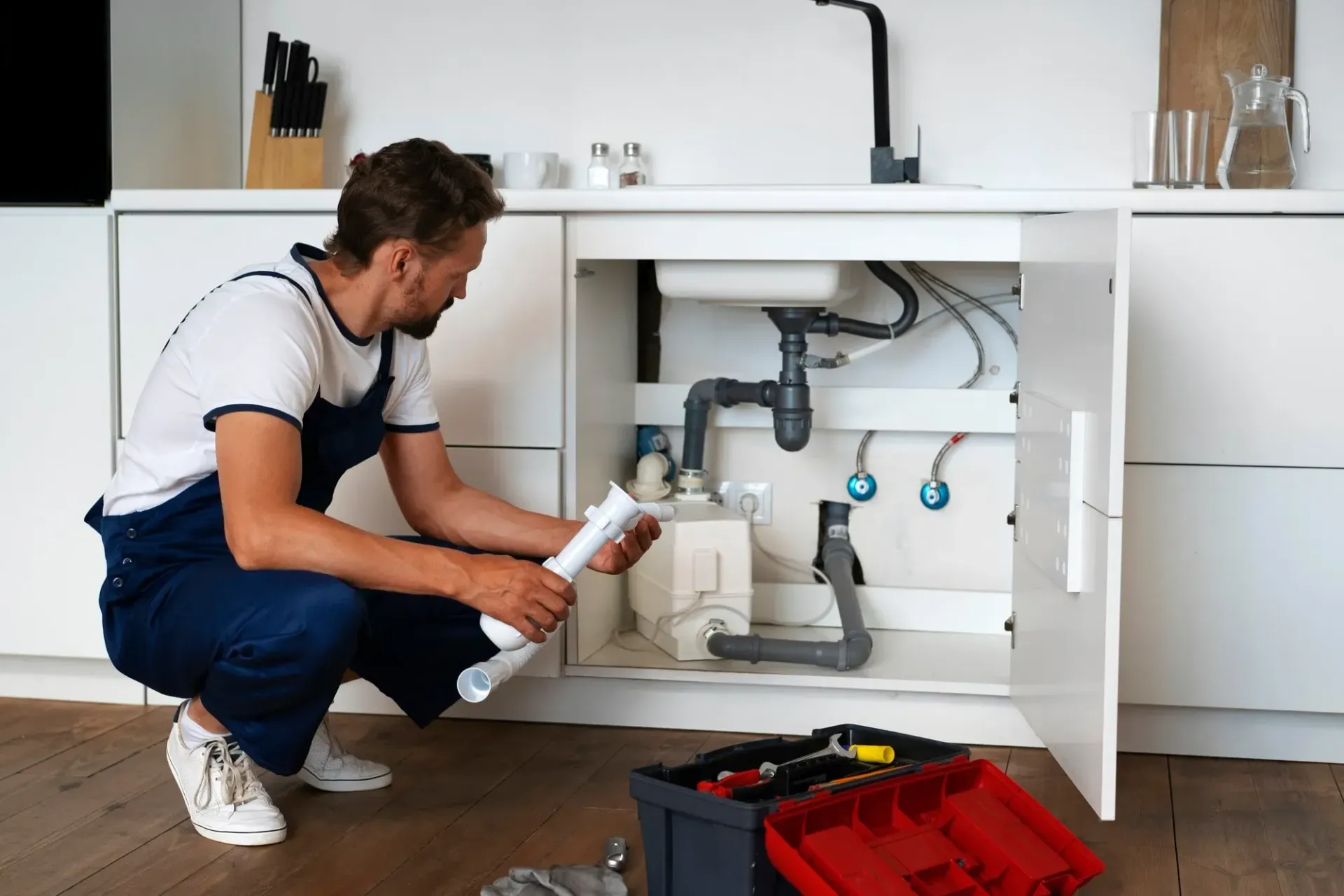
Most reverse osmosis systems are installed underneath the kitchen sink.
The installation process generally includes:
- Mounting the filter unit
- Connecting to the cold water line
- Installing the membrane housing
- Fitting a drain saddle connection
- Installing a storage tank
- Adding a dedicated filtered water tap
Professional installation helps ensure:
- Correct water pressure
- Leak-free fittings
- Proper drainage connections
- Efficient operation
Do RO Water Filters Need Maintenance?
Yes — regular maintenance is essential.
Typical maintenance includes:
- Replacing sediment filters every 6–12 months
- Replacing carbon filters regularly
- Replacing the RO membrane every 2–3 years
- Sanitising the system periodically
- Checking fittings and tubing
Neglected filters can reduce performance and water quality significantly.
What Are The Benefits Of RO Water Filters?
Reverse osmosis systems offer several advantages for households wanting higher-quality drinking water.
Advanced Filtration
RO systems remove many contaminants standard filters cannot.
Better Tasting Water
Many homeowners notice cleaner, fresher tasting water almost immediately.
Reduced Bottled Water Use
Having filtered water available at home can reduce reliance on bottled water.
Convenient Drinking Water Access
Filtered water is available directly from a dedicated kitchen tap whenever needed.
Improved Water Quality
RO systems can help reduce chlorine, sediment and dissolved impurities from drinking water.
Is An RO Water Filter Right For Your Home?
Reverse osmosis systems are particularly useful for households wanting:
- Highly purified drinking water
- Improved water taste
- Reduced chlorine
- More advanced filtration
- An alternative to bottled water
However, the best system depends on:
- Local water quality
- Household usage
- Available under-sink space
- Plumbing setup
- Budget
- Maintenance preferences
A licensed plumber or filtration specialist can help determine the right filtration solution for your home.
Frequently Asked Questions
Does RO Water Remove Minerals?
Yes. Reverse osmosis removes many dissolved minerals along with contaminants.
Can RO Water Filters Remove Chlorine?
Yes. Carbon filtration stages within the system help reduce chlorine taste and odours.
Are Reverse Osmosis Systems Expensive To Maintain?
Maintenance costs mainly involve replacing filters and membranes periodically.
Can RO Systems Be Installed In Apartments?
Yes. Many under-sink RO systems are suitable for apartments provided there is enough space and access to plumbing connections.
Conclusion
Reverse osmosis water filters are one of the most effective household water filtration systems available for improving drinking water quality. By using multiple filtration stages and an ultra-fine membrane, RO systems can reduce a wide range of contaminants while improving taste, clarity and convenience.
At Celsius Plumbing, we regularly install reverse osmosis systems for Sunshine Coast homeowners wanting cleaner tasting drinking water and more advanced filtration than standard tap filters provide. With proper installation and ongoing maintenance, an RO system can provide reliable access to high-quality filtered water for many years.
Written by Justin from Celsius Plumbing
Meet Justin, the owner of Celsius Plumbing. With over 15 years of industry experience, Justin combines technical expertise with a commitment to clear communication and reliable service.