How To Turn Hot Water System Off
How To Turn Hot Water System Off
There may be times when you need to turn off your hot water system at home. This could be due to a plumbing repair, replacing the unit, going away for an extended period, or dealing with a leak. Knowing how to safely turn off your hot water system can help prevent damage, reduce safety risks, and make maintenance easier.
The process will vary slightly depending on the type of hot water system you have, such as electric, gas, or solar. In this guide, we’ll explain how to safely turn off each type and when it may be necessary.
Why You Might Need To Turn Off Your Hot Water System
There are several situations where turning off your hot water system is the best option.
Common reasons include:
- Plumbing repairs or maintenance
- A leaking hot water tank
- Replacing the hot water unit
- Leaving the property for an extended period
- Gas or electrical safety concerns
- Emergency situations
Turning the system off can help prevent water damage, reduce energy usage, and ensure the system can be worked on safely.
Turn Off The Power Supply
The first step when shutting down a hot water system is turning off the power supply. This prevents the system from continuing to heat water while maintenance or repairs are being carried out.
For electric hot water systems, this is usually done through the home’s switchboard.
Locate the circuit breaker labelled hot water, HWS, or similar and switch it to the off position. Some homes may also have an isolation switch near the hot water unit itself.
Always ensure electricity is completely turned off before working around the system.
Turn Off The Water Supply
Once the power or gas supply has been turned off, the next step is to shut off the water supply feeding the hot water system.
This prevents additional water from entering the tank.
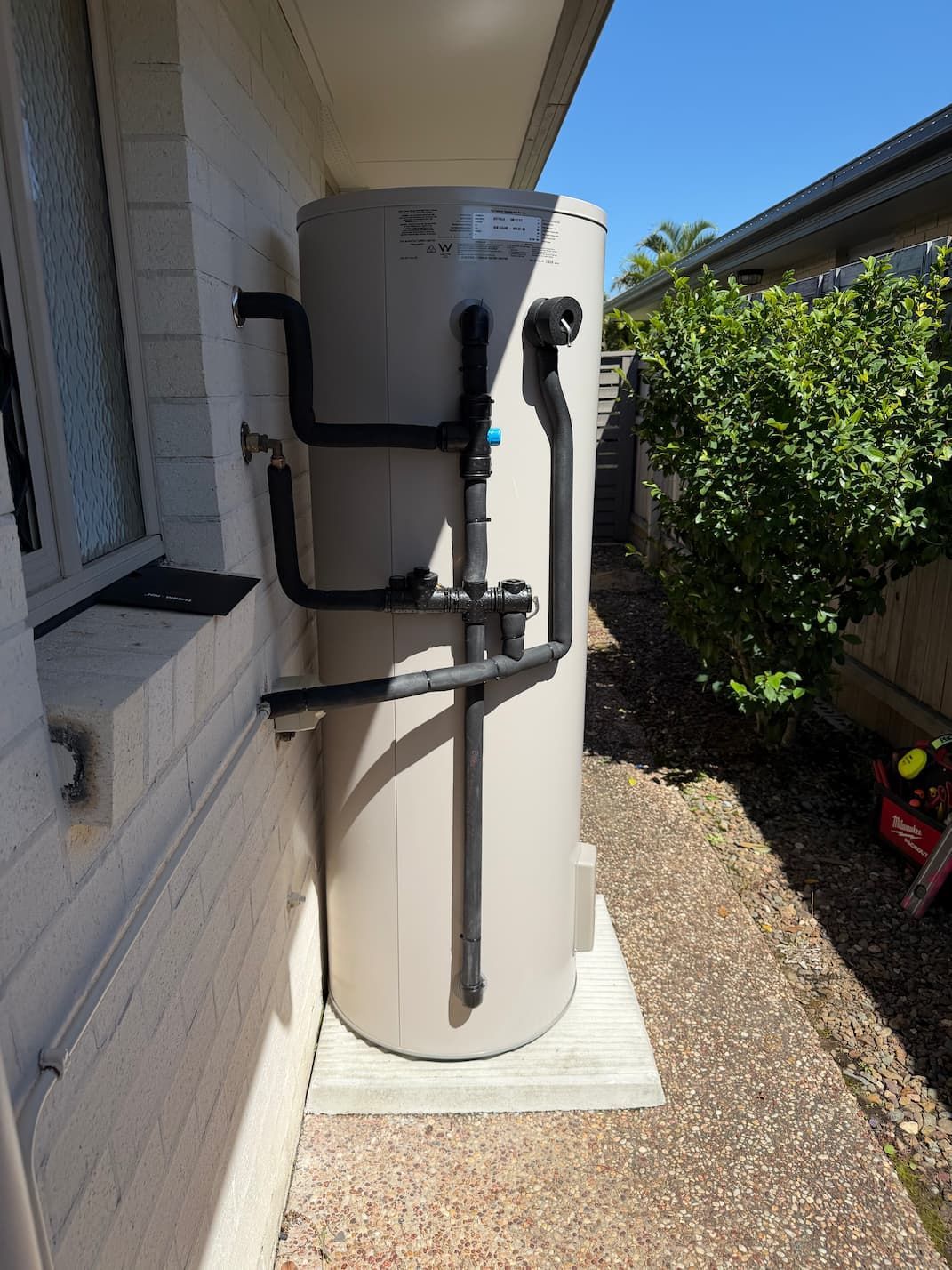
To do this, locate the cold water isolation valve on the pipe leading into the hot water system. Turn the valve clockwise until it is fully closed.
This valve is usually located directly next to or above the hot water tank.
Turning off the water supply is especially important if the system is leaking or needs to be drained.
Relieve Pressure In The System
Hot water systems operate under pressure, so it is important to relieve some of that pressure before draining the system or carrying out maintenance.
You can do this by opening a hot water tap somewhere in the house. This allows pressure inside the tank to release.
Another option is lifting the temperature and pressure relief valve located on the hot water unit.
Be careful when doing this as the water released may be hot.
How To Turn Off An Electric Hot Water System
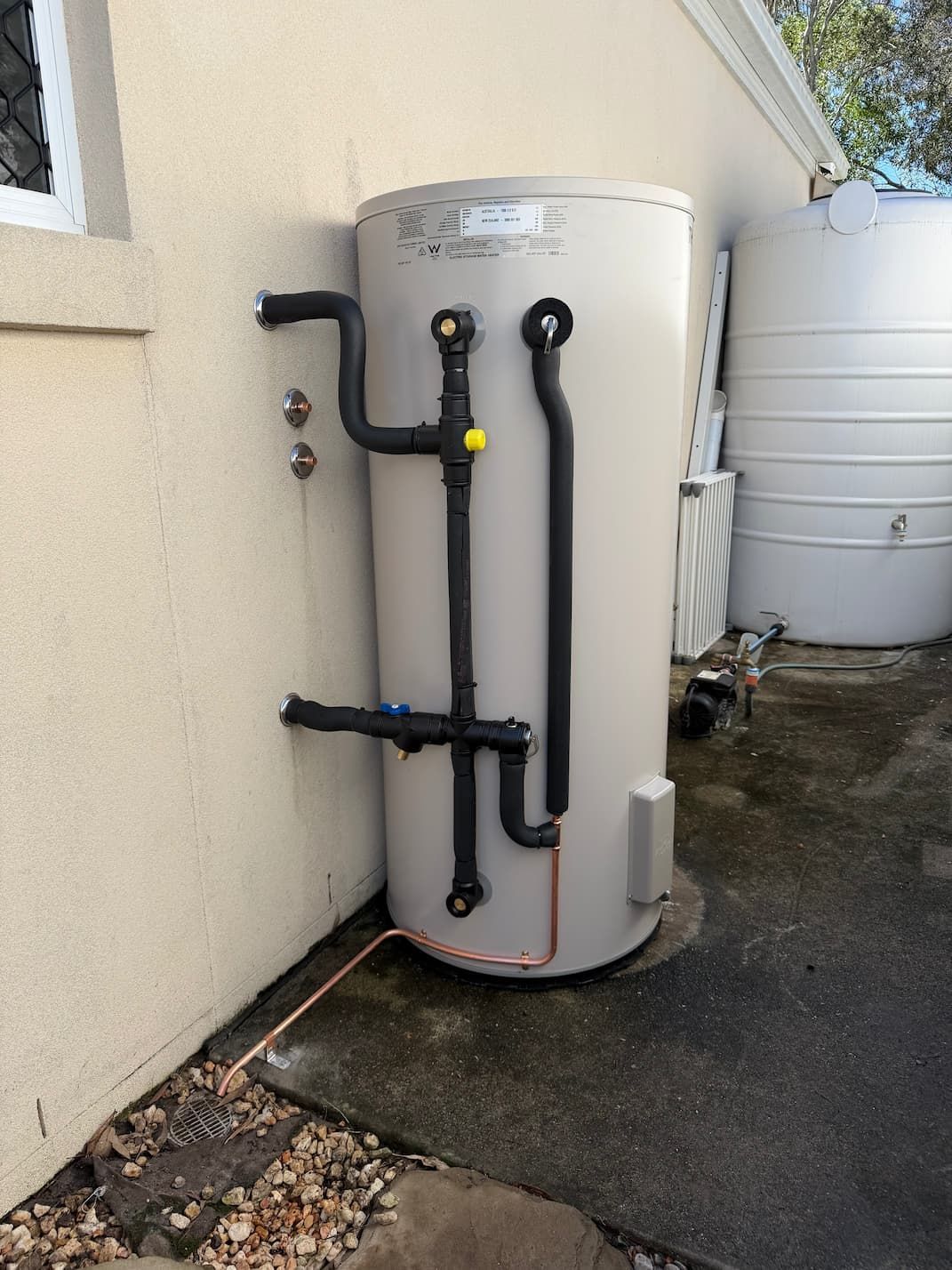
Electric hot water systems are one of the most common systems found in Australian homes.
To turn one off:
Turn off the circuit breaker at the switchboard labelled hot water or HWS.
Next, turn off the cold water isolation valve connected to the system.
Finally, open a hot water tap to relieve pressure in the pipes.
This completely stops the system from heating water and prevents new water from entering the tank.
How To Turn Off A Gas Hot Water System
Gas hot water systems can be either storage tanks or instantaneous systems.
To turn off a gas system safely, locate the gas control valve on the unit and turn it to the OFF position.
You may also be able to shut off the gas supply at the gas meter if necessary.
After turning off the gas supply, close the cold water isolation valve feeding the system.
Some modern gas units also have an electrical connection for ignition, so turning off the power supply may also be required.
How To Turn Off A Solar Hot Water System
Solar hot water systems combine solar collectors with either electric or gas boosting systems.
To shut down a solar system, first turn off the electric booster or gas booster.
Next, turn off the solar controller if the system has one installed.
Finally, close the cold water supply valve feeding the hot water tank.
Because solar systems continue to absorb heat from the sun, it is sometimes best to seek professional advice if the system needs to be fully shut down for repairs.
Draining A Hot Water System
If the hot water system needs to be replaced or repaired, the tank may need to be drained.
Start by turning off the power or gas supply and closing the water supply valve.
Attach a hose to the drain valve located near the bottom of the tank. Run the hose to a safe drainage area.
Open the drain valve and allow the water to flow out of the tank.
Depending on the size of the tank, draining the system can take some time.
Safety Tips When Turning Off A Hot Water System
Hot water systems involve electricity, gas, and pressurised hot water, so safety is important.
Some helpful safety tips include:
- Always turn off electricity or gas first
- Allow the water to cool before draining the tank
- Be cautious around hot pipes and valves
- Never attempt gas or electrical repairs unless qualified
- Contact a licensed plumber if you are unsure
Following these precautions helps reduce the risk of injury or damage.
Signs You May Need To Turn Off Your Hot Water System
Some issues may indicate that the hot water system should be turned off and inspected.
Common warning signs include:
- Water leaking from the tank
- Rusty or discoloured hot water
- Strange noises coming from the system
- No hot water being produced
- Water becoming extremely hot
- A burning smell near the unit
Turning off the system quickly can help prevent further damage while the issue is investigated.
When To Call A Plumber
Turning off a hot water system is usually straightforward, but repairs and replacements should always be handled by a licensed plumber.
A plumber may be needed if the tank is leaking, the system needs replacing, or there are electrical or gas faults.
Professional plumbers can safely diagnose the issue and ensure the system is installed and operating correctly.
Final Thoughts
Knowing how to turn off your hot water system is a useful skill for homeowners. Whether you are dealing with a leak, preparing for maintenance, or leaving your home for an extended period, shutting down the system properly can help prevent damage and improve safety.
The key steps involve turning off the power or gas supply, shutting off the water supply, and relieving pressure from the hot water system.
If you are unsure about the process or the system appears damaged, contacting a licensed plumber is always the safest option.
Written by Justin from Celsius Plumbing
Meet Justin, the owner of Celsius Plumbing. With over 15 years of industry experience, Justin combines technical expertise with a commitment to clear communication and reliable service.