What Is a Water Efficiency Certificate?
If you own a rental property in Queensland and want to charge tenants for water usage, your property will usually need a Water Efficiency Certificate. These inspections ensure your taps, toilets and showerheads meet the required water efficiency standards and are free from leaks or excessive water usage.
At Celsius Plumbing, we regularly carry out Water Efficiency Certificate inspections for landlords, property managers and rental properties across the Sunshine Coast. In this guide, we’ll explain what a Water Efficiency Certificate is, what’s involved in the inspection process, common reasons properties fail, and what landlords need to know before renting out their property.
What Is A Water Efficiency Certificate?
A Water Efficiency Certificate (WEC) is a document issued by a licensed plumber confirming that a rental property meets the required water efficiency standards under Queensland tenancy regulations.
This certificate allows landlords to pass water usage charges on to tenants, provided the property remains compliant throughout the tenancy.
During the inspection, a plumber checks several plumbing fixtures throughout the home, including:
- Toilets
- Showerheads
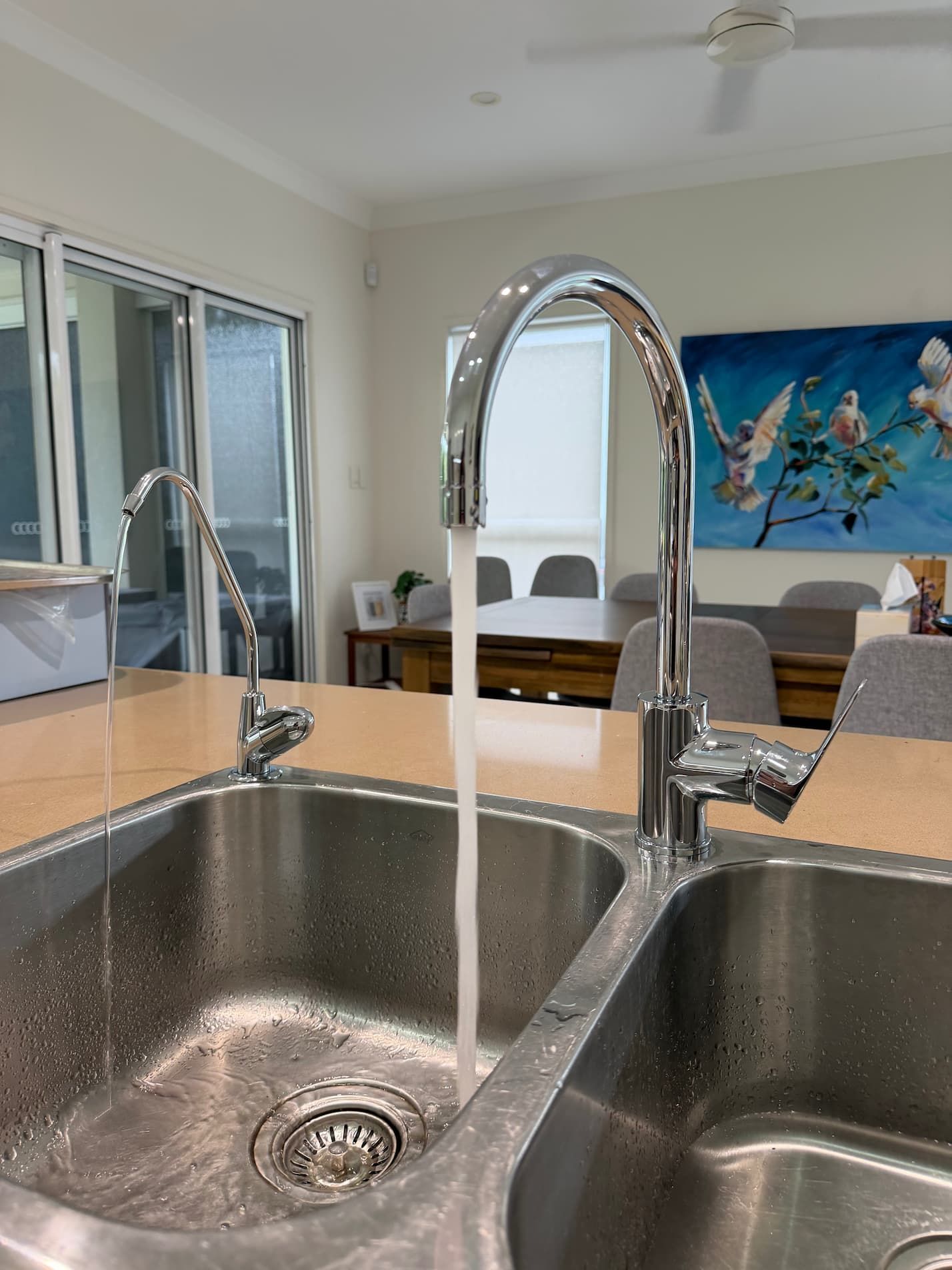
- Kitchen taps
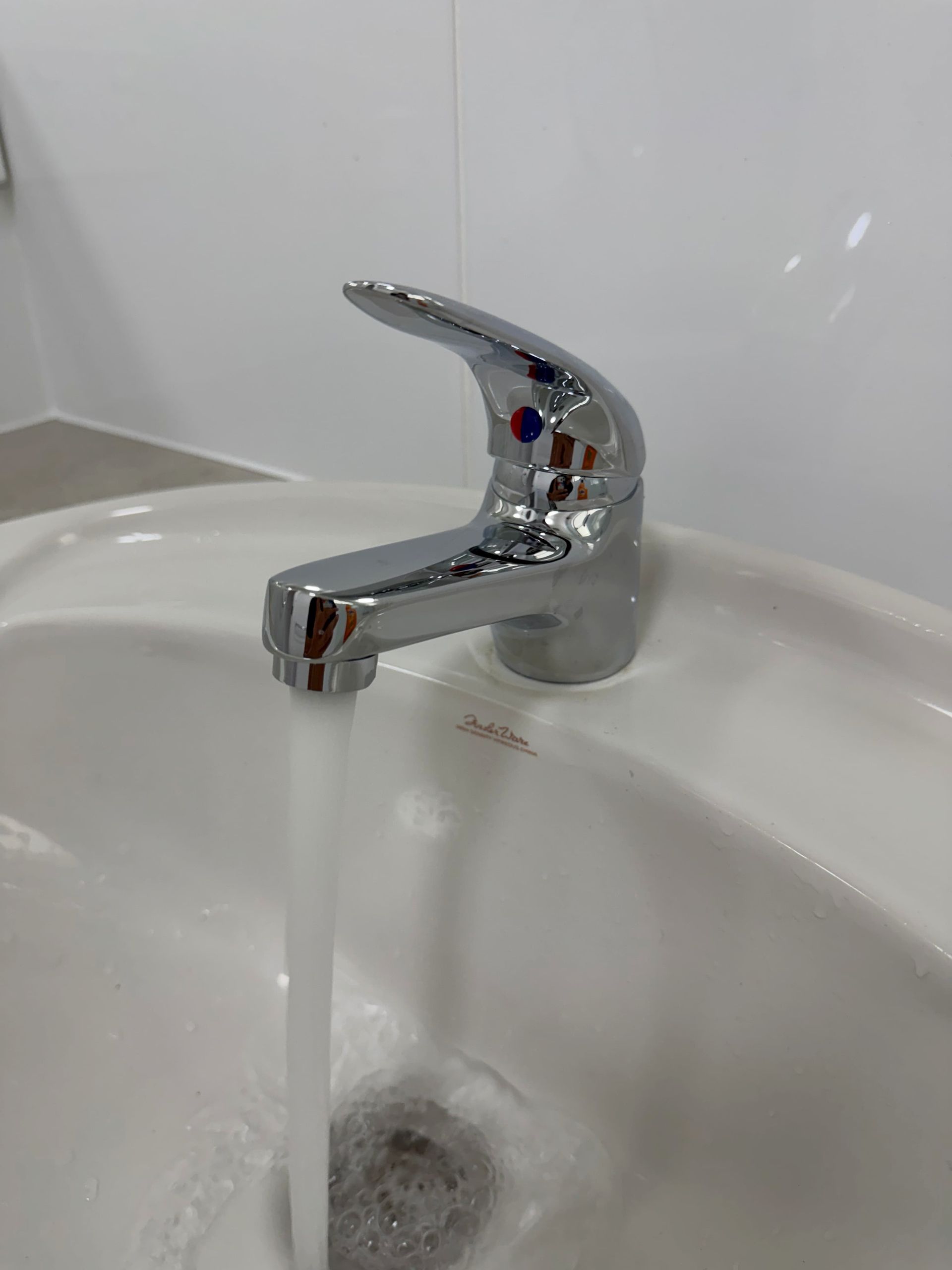
- Bathroom taps
- Laundry taps
- Visible plumbing fixtures for leaks
The goal is to ensure the property is not wasting excessive water and complies with Queensland’s minimum efficiency standards.
Why Are Water Efficiency Certificates Important?
Water Efficiency Certificates are important for both legal compliance and reducing unnecessary water usage.
For landlords, having a compliant property means they can legally recover water consumption costs from tenants under most tenancy agreements. Without a compliant property, landlords may need to cover all water usage costs themselves.
For tenants, water efficient plumbing fixtures help reduce water waste and can lower overall water bills.
These inspections also help identify plumbing issues early, such as leaking taps or faulty fixtures, which can save money on future repairs and maintenance.
When Do You Need A Water Efficiency Certificate?
In Queensland, a Water Efficiency Certificate is generally required when:
- Renting out a property
- Starting a new tenancy agreement
- Updating property management documentation
- Charging tenants for water consumption
Many landlords also organise inspections before listing their property for rent to ensure everything is compliant beforehand.
Even if your property has previously passed an inspection, it’s important to remember that plumbing fixtures can wear out over time. Leaks, faulty valves or fixture replacements may affect compliance later on.
What Does A Water Efficiency Inspection Include?
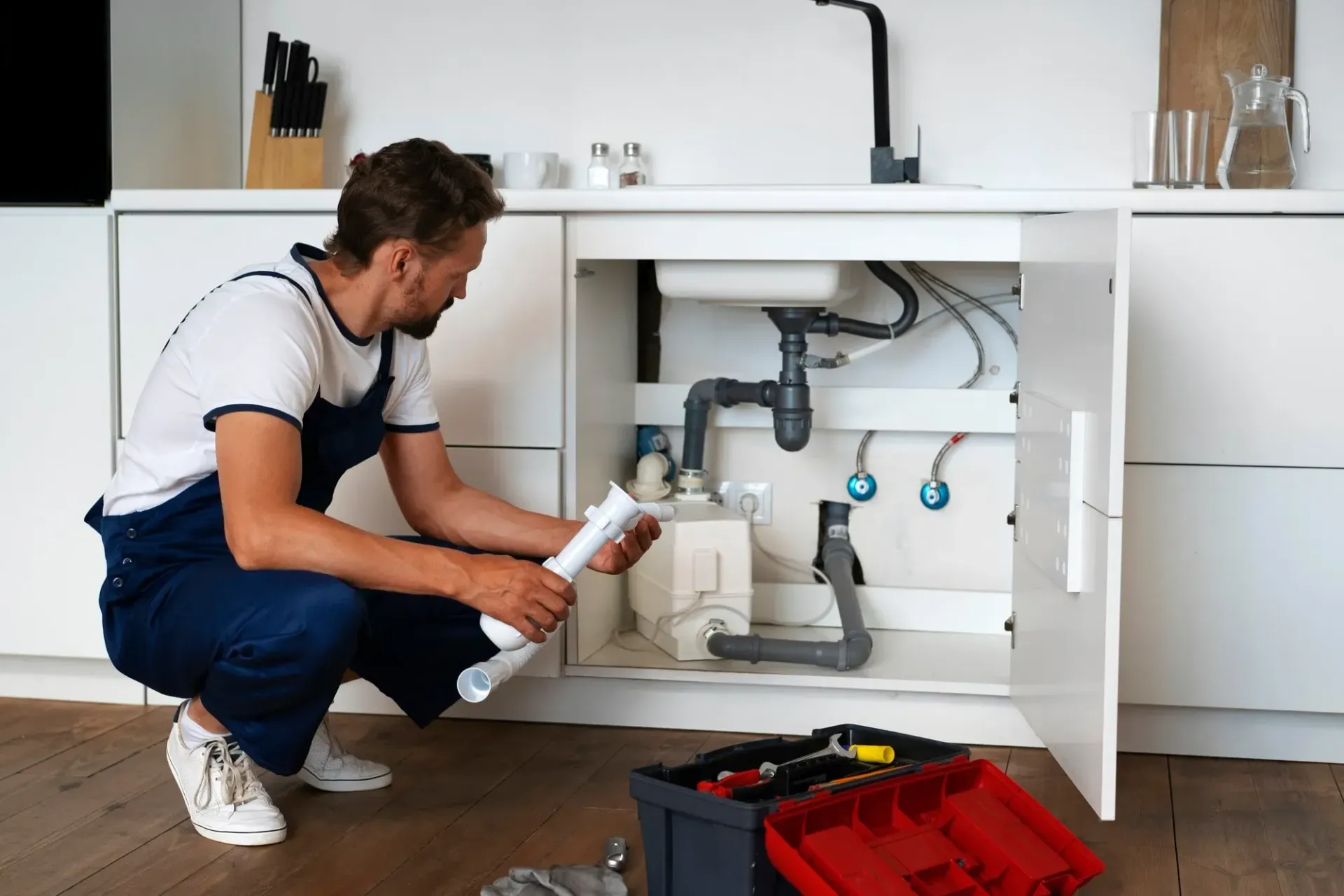
During the inspection, a licensed plumber will assess the property's plumbing fixtures to ensure they meet Queensland water efficiency requirements.
Showerheads
Showerheads are tested to ensure they do not exceed the maximum allowed flow rate, which is generally 9 litres per minute.
Older showerheads are one of the most common reasons properties fail inspections, especially in homes that haven’t had plumbing upgrades completed in recent years.
In many cases, replacing an outdated showerhead is a quick and affordable fix.
Taps
Kitchen, bathroom and laundry taps are checked for:
- Leaks
- Excessive flow rates
- Faulty washers
- General condition
Even a small dripping tap can prevent a property from passing a water efficiency inspection.
We often find leaking laundry taps or worn washers during inspections, particularly in older Queensland homes.
Toilets
Toilets must meet dual flush water efficiency standards.
Typically, this means:
- Full flush no greater than 6.5 litres
- Half flush no greater than 3.5 litres
Older single flush toilets commonly fail inspections and may require upgrading before a certificate can be issued.
Visible Plumbing Leaks
The plumber will also inspect for visible leaks throughout the property.
Leaks waste significant amounts of water over time and must usually be repaired before the property can be certified as water efficient.
Common Reasons Properties Fail Water Efficiency Inspections
There are several common issues that can prevent a property from passing a water efficiency inspection.
Old Showerheads
Older showerheads often exceed the maximum permitted flow rate and are one of the most common compliance issues we see.
Leaking Taps
Dripping taps may seem minor, but they can waste large amounts of water over time and will often need repairing before certification.
Single Flush Toilets
Older toilets that do not meet dual flush requirements frequently fail inspections.
Faulty Plumbing Fixtures
Worn valves, damaged washers or poorly functioning fixtures can all affect compliance.
Undetected Leaks
Many landlords are surprised to learn that hidden leaks or slow drips can impact whether a certificate can be issued.
How Long Does A Water Efficiency Inspection Take?
Most water efficiency inspections are relatively quick and straightforward.
For an average residential property, the inspection itself often takes between 30 minutes and one hour, depending on:
- Property size
- Number of bathrooms
- Accessibility of fixtures
- Whether repairs are needed
If the property already meets the required standards, the certificate can usually be issued shortly after the inspection.
How Much Does A Water Efficiency Certificate Cost?
The cost of a Water Efficiency Certificate can vary depending on:
- Property size
- Number of bathrooms
- Condition of plumbing fixtures
- Whether repairs or upgrades are required
In many cases, the inspection itself is relatively affordable. However, if fixtures fail compliance, additional costs may apply for repairs or replacements.
Common upgrade costs may include:
- Replacing showerheads
- Repairing leaking taps
- Installing compliant toilets
- Replacing worn plumbing fixtures
Many landlords choose to complete these upgrades because improved water efficiency can reduce future water bills and maintenance costs.
Do You Need A New Water Efficiency Certificate For Every Tenant?
A Water Efficiency Certificate does not usually have a strict expiry date in Queensland.
However, the property must continue meeting the required standards throughout the tenancy.
If plumbing fixtures are replaced, damaged or modified, another inspection may be recommended to ensure ongoing compliance.
Many landlords choose to organise a new inspection between tenants for peace of mind and updated documentation.
Benefits Of Having A Water Efficient Property
There are several benefits to ensuring your rental property is water efficient.
Ability To Charge Tenants For Water Usage
One of the biggest advantages is being able to legally pass water consumption costs on to tenants where permitted under Queensland tenancy laws.
Lower Water Bills
Efficient plumbing fixtures help reduce overall water usage, lowering water bills for both landlords and tenants.
Reduced Water Waste
Water efficient homes use significantly less water and help conserve an important natural resource.
Fewer Plumbing Problems
Upgrading old plumbing fixtures often reduces leaks, dripping taps and other common maintenance issues.
Improved Appeal For Tenants
Modern, efficient plumbing fixtures can make a rental property more attractive to prospective tenants.
Common Upgrades Needed For Compliance
Older homes sometimes require minor plumbing upgrades before they can pass inspection.
Some of the most common improvements include:
- Installing compliant showerheads
- Repairing leaking taps
- Replacing worn washers
- Installing dual flush toilets
- Upgrading outdated plumbing fixtures
In most cases, these upgrades are straightforward and can dramatically improve water efficiency throughout the property.
Who Can Issue A Water Efficiency Certificate?
A Water Efficiency Certificate must be issued by a licensed plumber qualified to assess plumbing fixtures and water flow rates.
Licensed plumbers have the tools and experience required to:
- Measure fixture flow rates
- Identify leaks
- Assess compliance
- Recommend upgrades if needed
- Issue compliant certification documentation
Choosing an experienced local plumber helps ensure the inspection is completed correctly and efficiently.
Final Thoughts
A Water Efficiency Certificate confirms that a rental property meets Queensland’s required water efficiency standards and allows landlords to charge tenants for water usage where permitted under tenancy regulations.
The inspection process involves checking taps, toilets, showerheads and plumbing fixtures to ensure they meet the required flow rate limits and are free from leaks or excessive water waste.
At Celsius Plumbing, we help landlords and property managers across the Sunshine Coast carry out Water Efficiency Certificate inspections and plumbing compliance checks. Whether your property needs an inspection, plumbing repairs or fixture upgrades, working with a licensed plumber can help ensure your property remains compliant, efficient and ready for tenants.
Written by Justin from Celsius Plumbing
Meet Justin, the owner of Celsius Plumbing. With over 15 years of industry experience, Justin combines technical expertise with a commitment to clear communication and reliable service.