What To Do If You Smell Gas in Your Home
Smelling gas in your home can be scary – and for good reason. Gas leaks are dangerous and can lead to fires, explosions, and serious health risks if not handled correctly. Whether the smell is faint or overwhelming, it’s important to take it seriously and act fast.
Many homeowners aren’t sure what that “rotten egg” smell actually means, where it might be coming from, or what steps to take first. This guide walks you through exactly what to do if you smell gas in your home, how to stay safe, and when to call a licensed gas fitter.
Why You Might Be Smelling Gas
Natural gas and LPG are odourless on their own, but a strong sulphur-like smell is added so leaks are easier to detect. If you notice this smell, it usually means gas is escaping somewhere it shouldn’t be.
Common causes include loose fittings, damaged gas lines, ageing connections, faulty appliances, or issues after recent renovations or appliance installations. Even small leaks can build up over time and become dangerous in enclosed spaces, so any gas smell should be treated as urgent.
Sometimes people confuse gas smells with sewer odours or chemical smells from drains or cleaning products. If you’re unsure, it’s always safer to assume it could be gas and follow safety steps immediately.
What To Do Immediately If You Smell Gas
Your first priority is safety. If you suspect a gas leak, follow these steps straight away:
- Do not turn lights on or off
- Do not use electrical switches, appliances, or phones inside the home
- Do not light matches, candles, or smoke
- Open doors and windows to ventilate the area if it’s safe to do so
- Turn off the gas supply at the meter if you know how and can do so safely
- Get everyone out of the house immediately
Even a small spark can ignite gas in the air. That includes everyday things like turning on a light switch, opening your fridge, or using your phone indoors. Once you’re outside and in fresh air, call a licensed gas fitter or your gas provider for emergency assistance.
If the smell is very strong or you feel dizzy, unwell, or lightheaded, move away from the property and call emergency services.
How to Find the Gas Shut-Off Valve
If it’s safe to do so, turning off your gas supply can help prevent further gas from leaking into your home. In most homes, the main gas shut-off valve is located near the gas meter outside. It’s usually a small lever or tap on the pipe leading into the property.
You can turn the gas off by rotating the valve a quarter turn so it sits perpendicular to the pipe. Only do this if you can reach it safely without walking through areas where gas smell is strong. If you’re unsure or can’t access it safely, leave the property and wait for a professional.
Once the gas is turned off, do not attempt to turn it back on yourself. A licensed gas fitter should inspect the system and safely restore supply once the issue has been repaired.
Common Causes of Gas Smells Inside Homes
Understanding what can cause gas smells helps prevent future incidents. Some of the most common causes include:
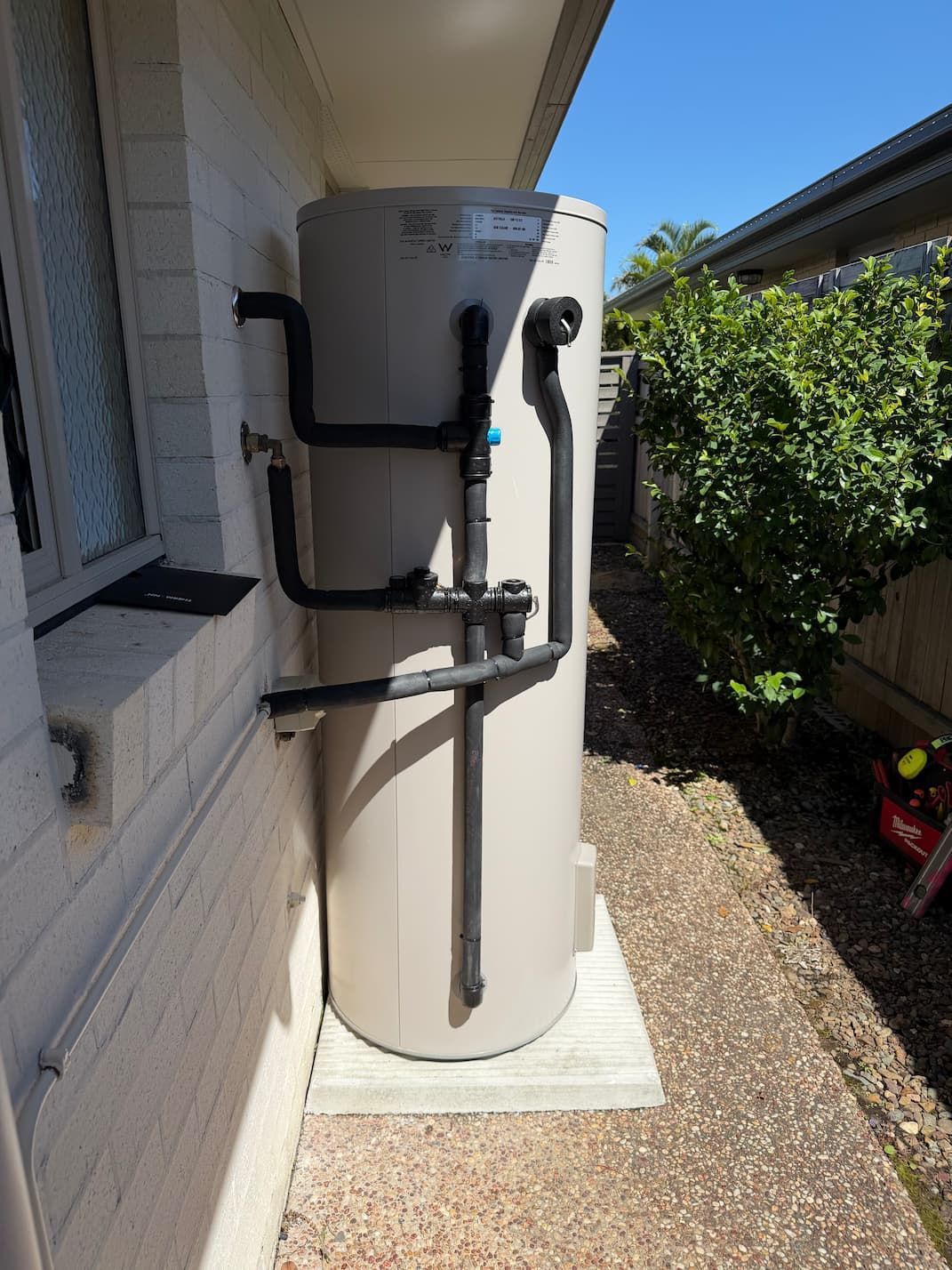
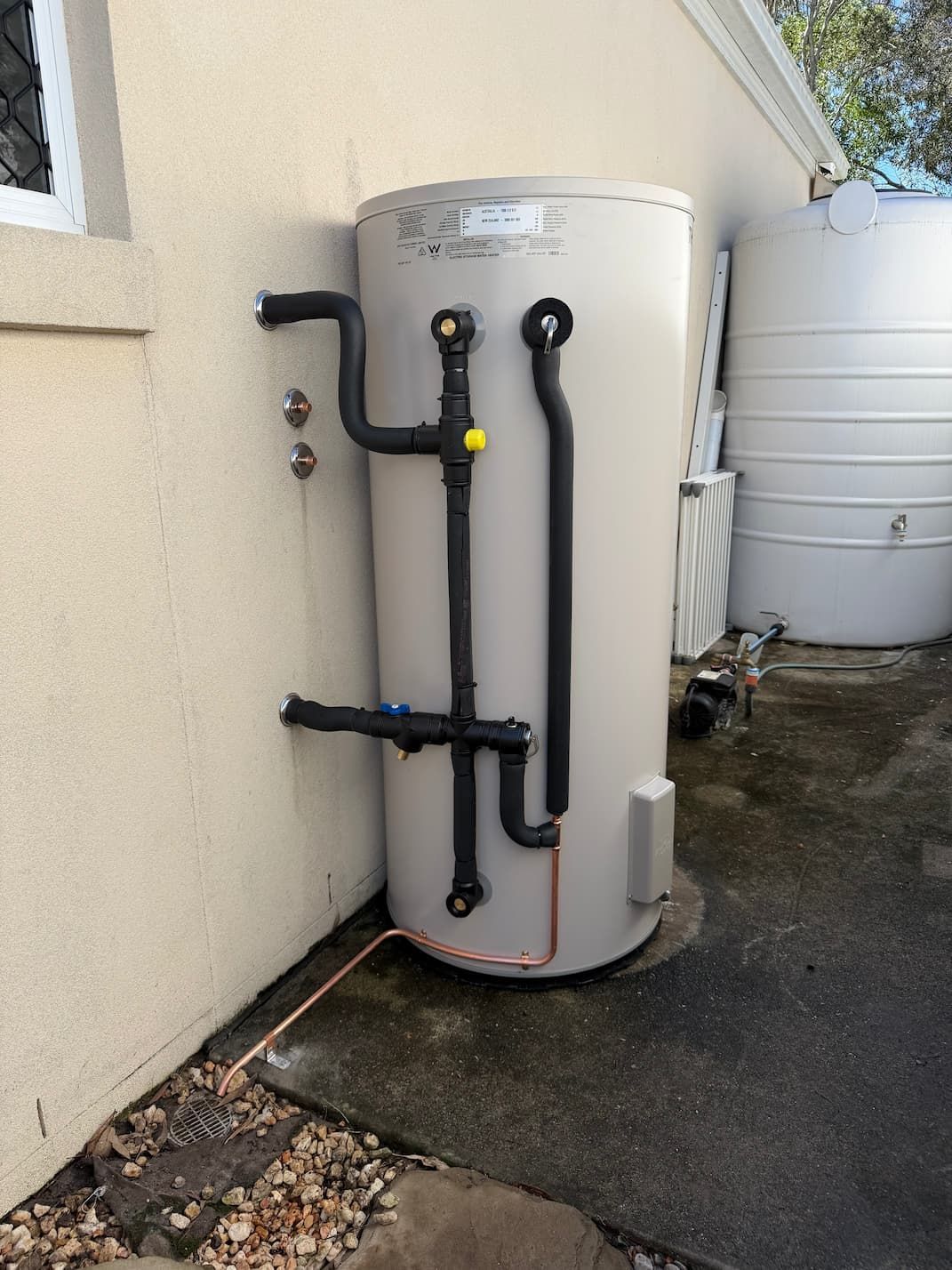
- Loose fittings on gas cooktops or hot water systems
- Old or cracked gas pipes
- Faulty regulators or valves
- Damaged flexible gas hoses
- Poorly installed gas appliances
- Movement of pipes due to building settlement or renovations
Gas smells can also occur when appliances are not burning gas properly, such as a stove flame going out but gas still flowing. Even outdoor gas lines can cause smells to enter the home through doors, windows, or vents.
Is a Gas Smell Always an Emergency?
Yes – any gas smell should be treated as an emergency. Even if the smell comes and goes, it doesn’t mean the problem has gone away. Small leaks can worsen over time, and gas can accumulate in enclosed spaces like cupboards, roof cavities, or under floors.
Some people ignore faint gas smells, assuming it’s nothing serious. This is risky. Gas leaks are unpredictable, and it only takes one spark to cause a serious incident. If you ever smell gas and aren’t sure what’s causing it, it’s best to leave the property and call a professional to check it properly.
What Not To Do If You Smell Gas
Knowing what not to do is just as important as knowing what to do. Avoid these common mistakes:
- Do not try to find the leak using a flame or lighter
- Do not try to fix gas pipes or fittings yourself
- Do not ignore the smell and “wait and see”
- Do not turn appliances on or off to test anything
- Do not re-enter the property until it’s been checked
DIY gas work is illegal and dangerous. Even tightening a fitting incorrectly can make the problem worse or cause new leaks. Gas systems must be inspected and repaired by a licensed professional to ensure safety and compliance.
How Gas Leaks Are Detected and Repaired
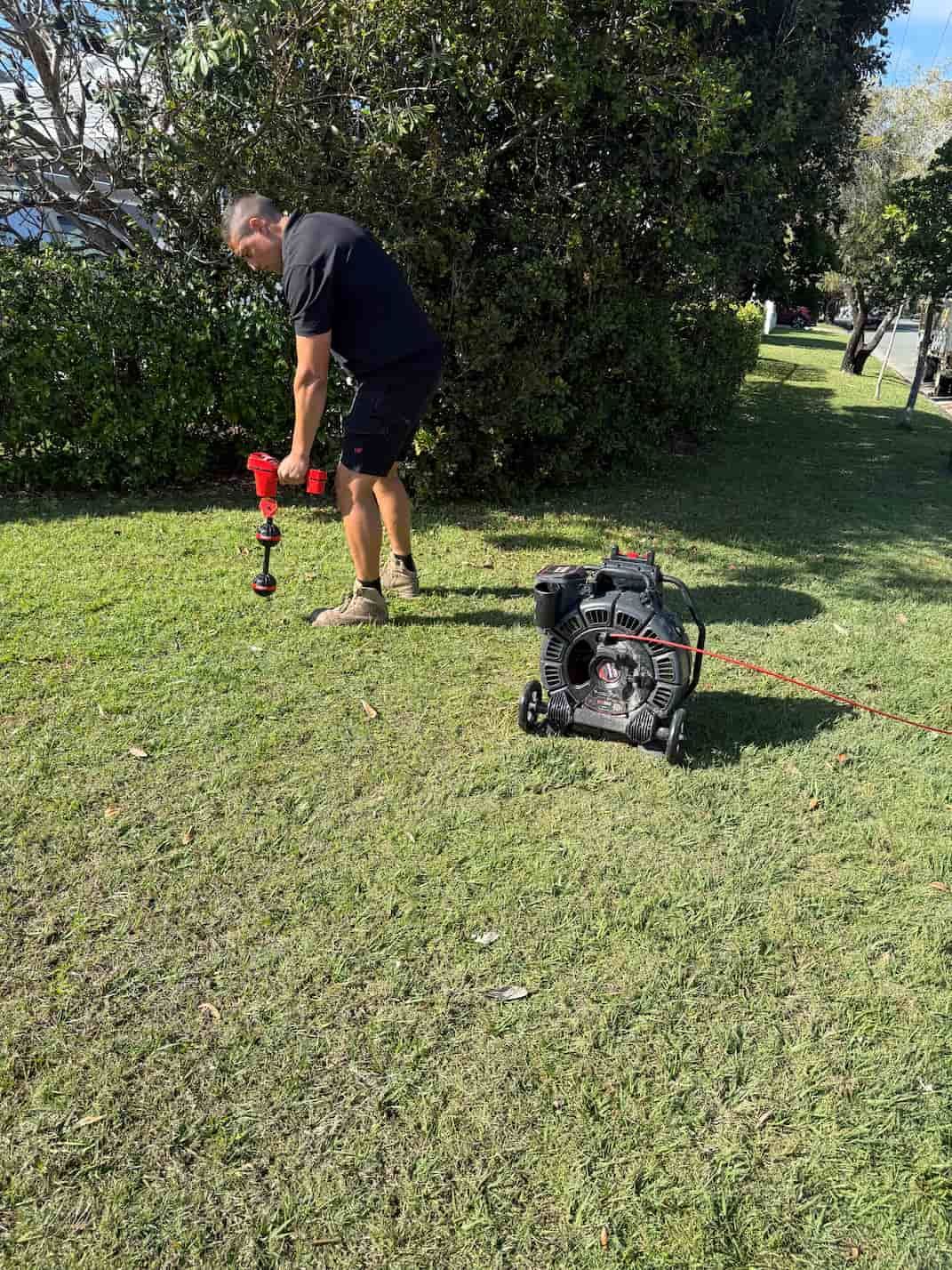
A licensed gas fitter uses specialised equipment to detect leaks, including gas detectors and pressure testing tools. They will inspect appliances, connections, pipework, and regulators to locate the source of the leak.
Once the problem is identified, the faulty component is repaired or replaced, and the system is pressure tested to ensure there are no further leaks. The gas supply is only restored once everything is confirmed safe.
In some cases, older homes may need sections of gas pipe upgraded to meet current safety standards. This improves safety and reduces the risk of future leaks.
How to Reduce the Risk of Gas Leaks in Your Home
While gas leaks can’t always be prevented, you can reduce your risk with good habits and regular checks:
- Have gas appliances installed by licensed professionals
- Arrange periodic gas safety inspections
- Replace old or damaged gas hoses
- Don’t store items against gas pipes or meters
- Keep outdoor gas meters and lines clear of debris
- Pay attention to unusual smells or appliance behaviour
If you’ve recently had renovations done, new appliances installed, or work near gas lines, it’s especially important to keep an eye out for any new smells or issues.
When to Call a Professional
If you smell gas at any time, call a licensed gas fitter like Celsius Plumbing or your gas provider immediately once you’re safely outside. Do not delay or assume it will fix itself. Gas issues are not something to “monitor” – they require professional inspection and repair.
Even if the smell disappears, there could still be a leak that needs to be addressed. Getting it checked quickly helps protect your home, your family, and your property from serious harm.
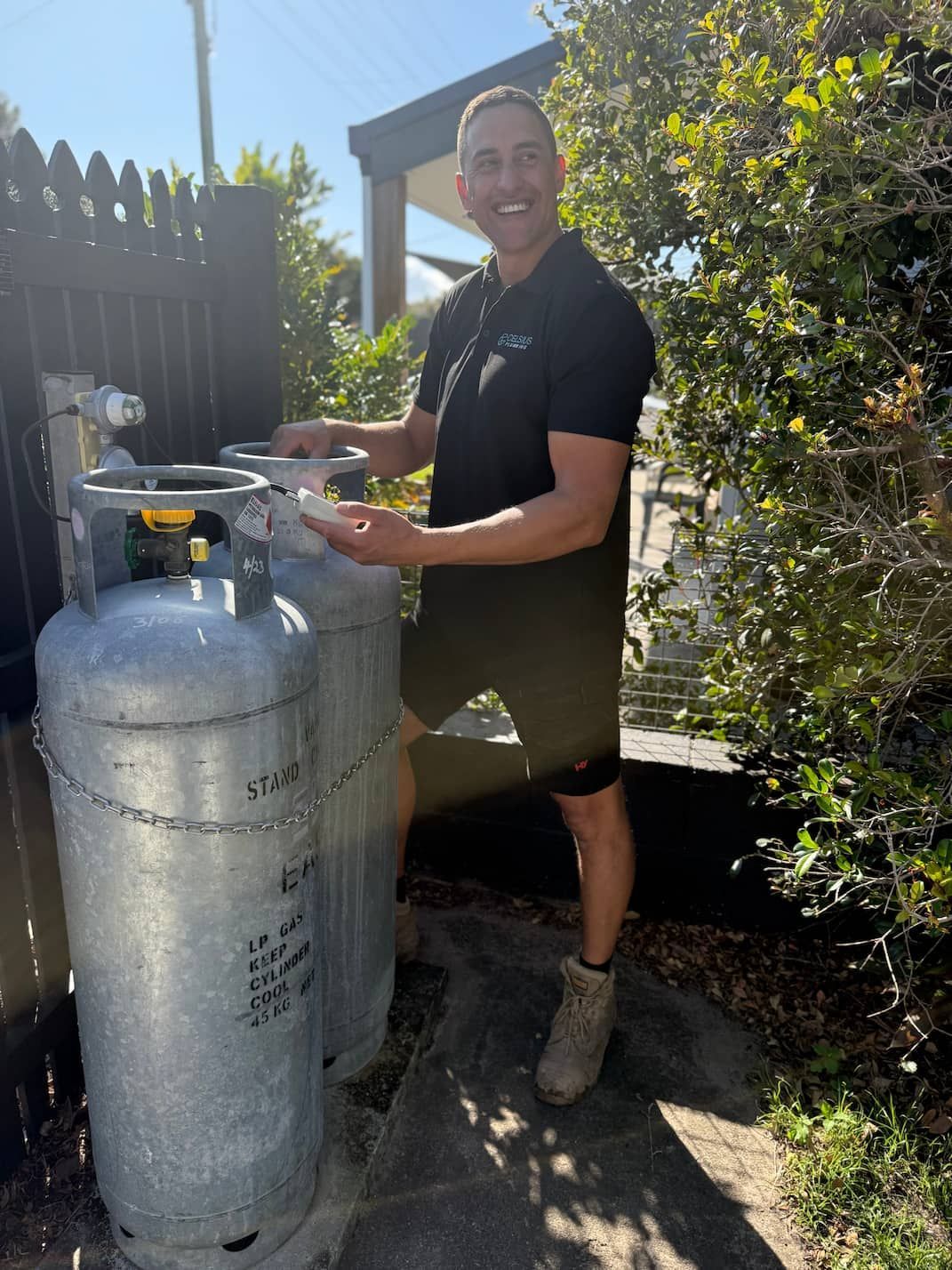
Written by Justin from Celsius Plumbing
Meet Justin, the owner of Celsius Plumbing. With over 15 years of industry experience, Justin combines technical expertise with a commitment to clear communication and reliable service.