What Is a Plumbing Inspection?
If you own a home, investment property, or commercial building, regular plumbing inspections are one of the smartest preventative steps you can take. Plumbing systems are largely hidden behind walls, under floors, and below ground — which means small issues can easily go unnoticed until they turn into expensive repairs.
A professional plumbing inspection helps identify leaks, blockages, corrosion, compliance issues, and ageing components before they cause major damage. Whether you’re buying a property, maintaining an existing home, or managing a rental, a plumbing inspection provides peace of mind and protects your investment.
If you’re looking for a reliable Sunshine Coast plumber, a professional inspection is often the best place to start.
What Is a Plumbing Inspection?
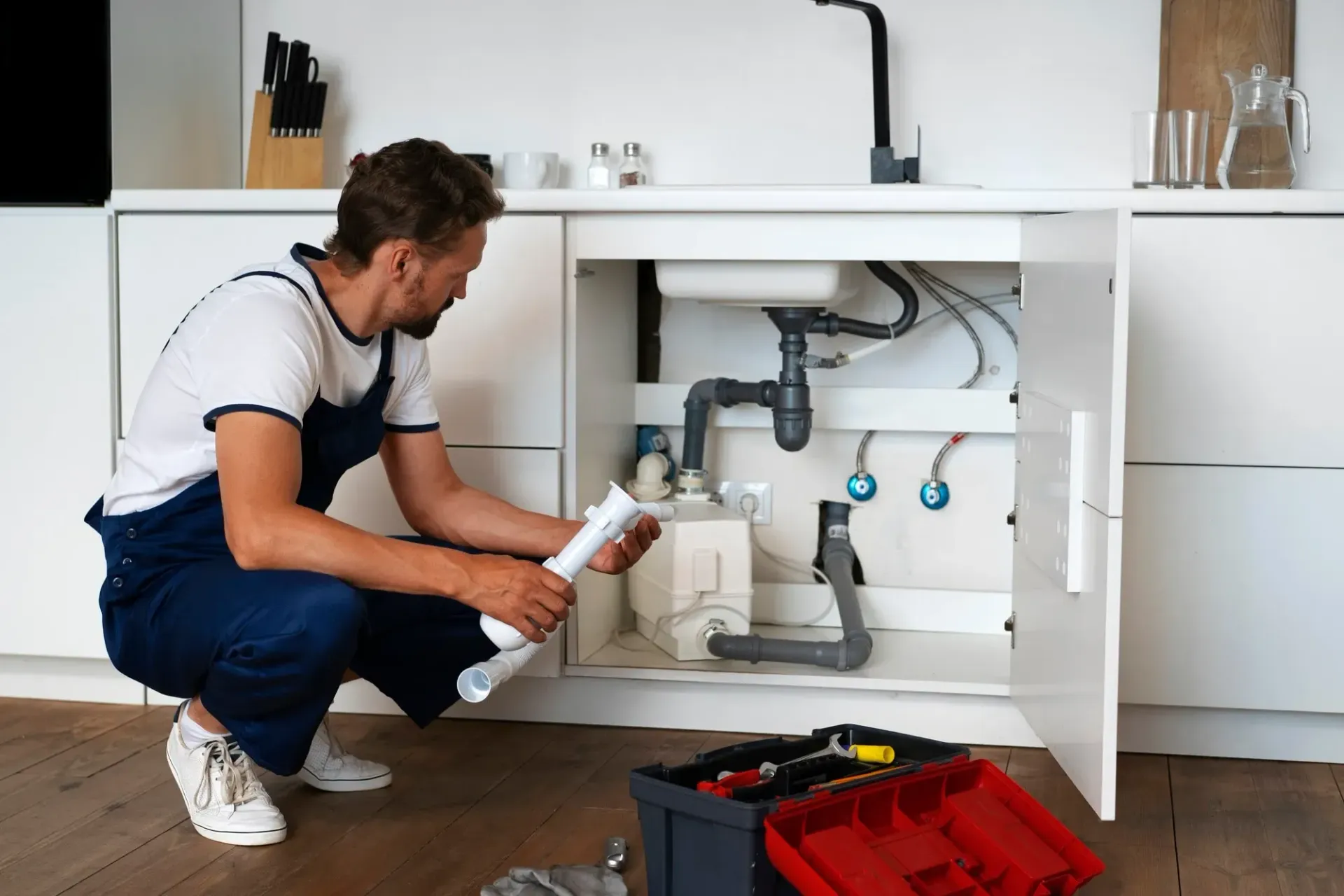
A plumbing inspection is a thorough assessment of a property’s plumbing system carried out by a licensed plumber. The goal is to ensure everything is operating safely, efficiently, and in line with Australian standards.
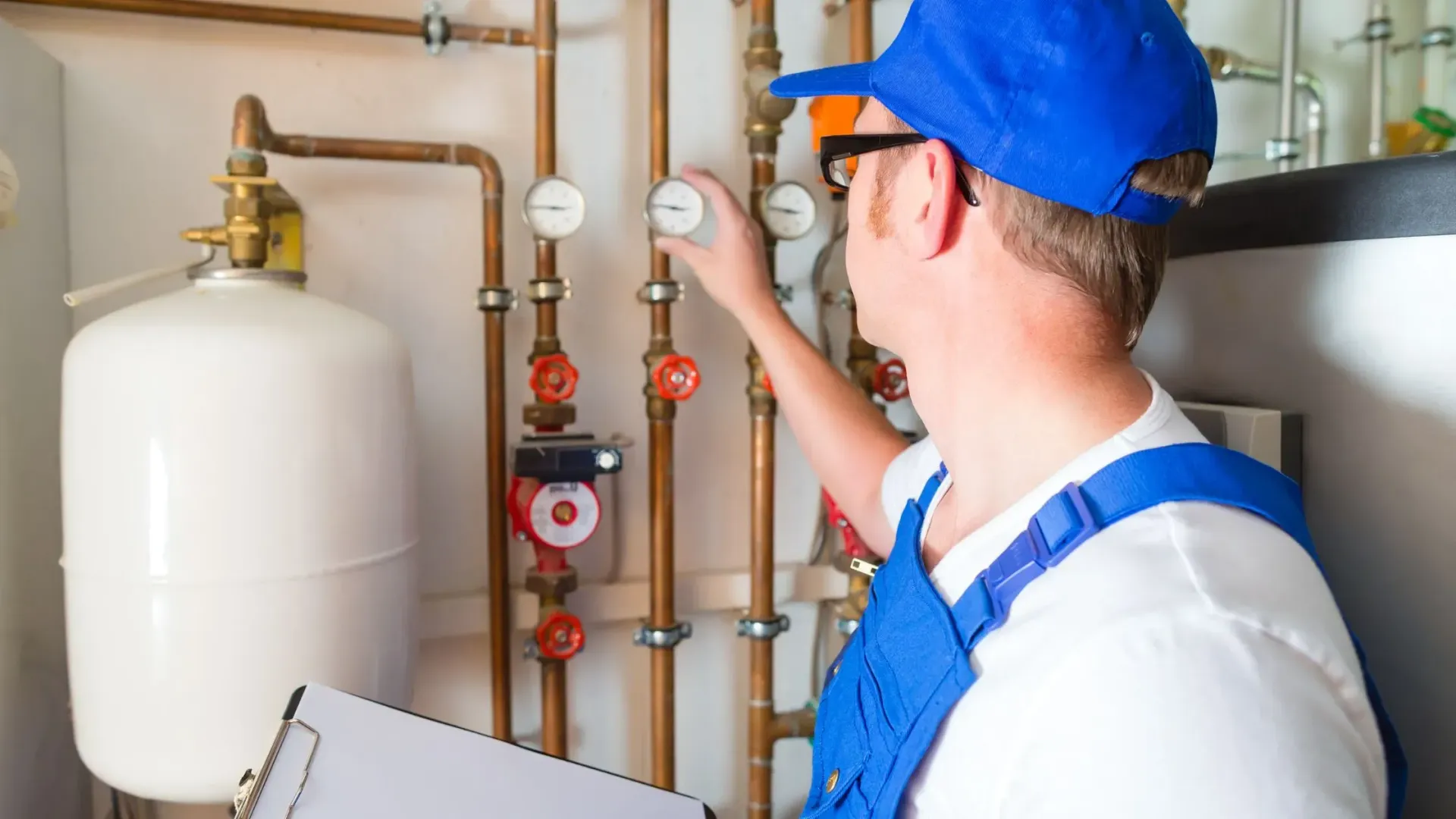
During a plumbing inspection, a plumber checks the condition and performance of:
- Pipes and fittings
- Water pressure and flow
- Drains and sewer lines
- Taps, toilets, and fixtures
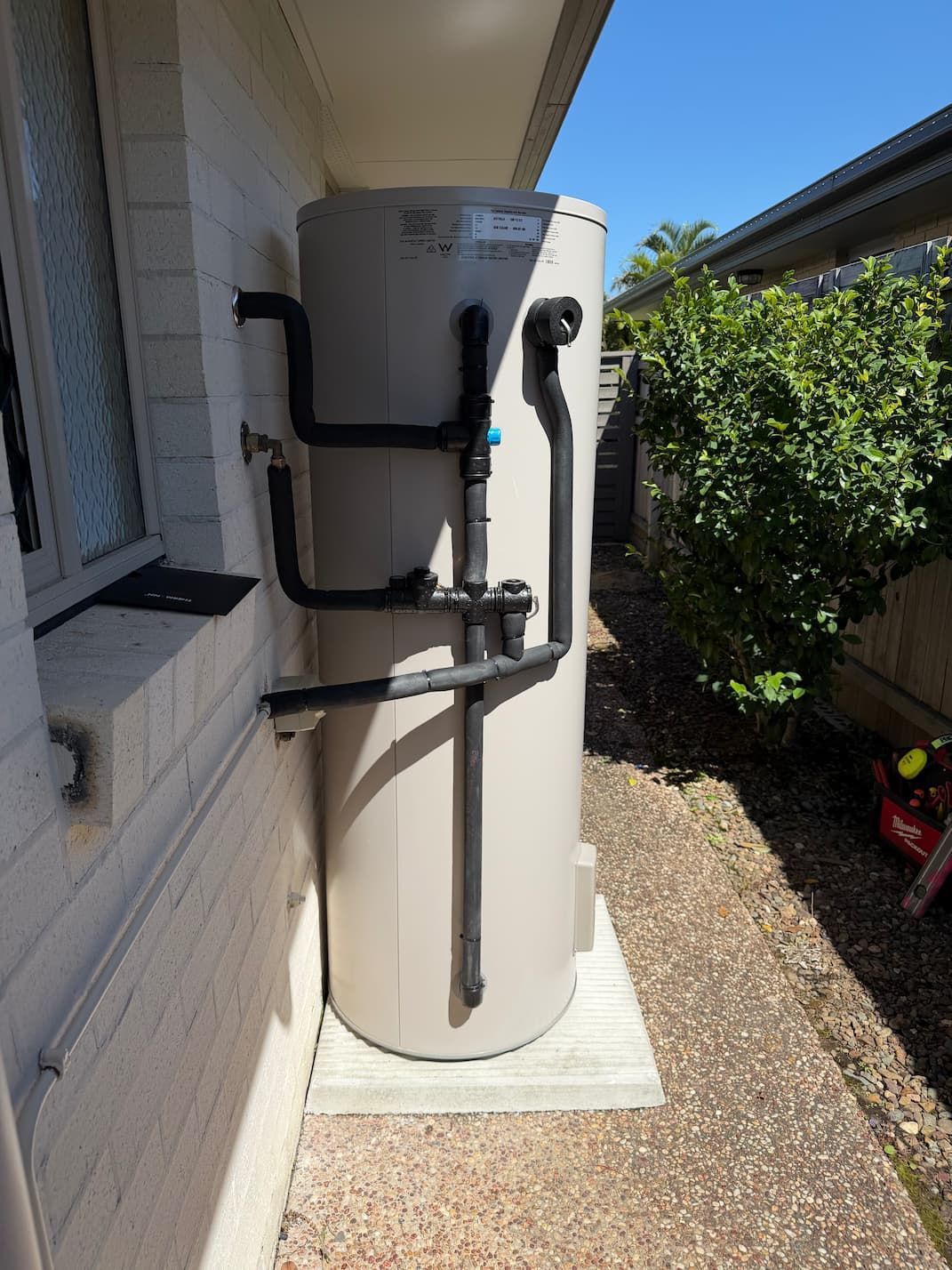
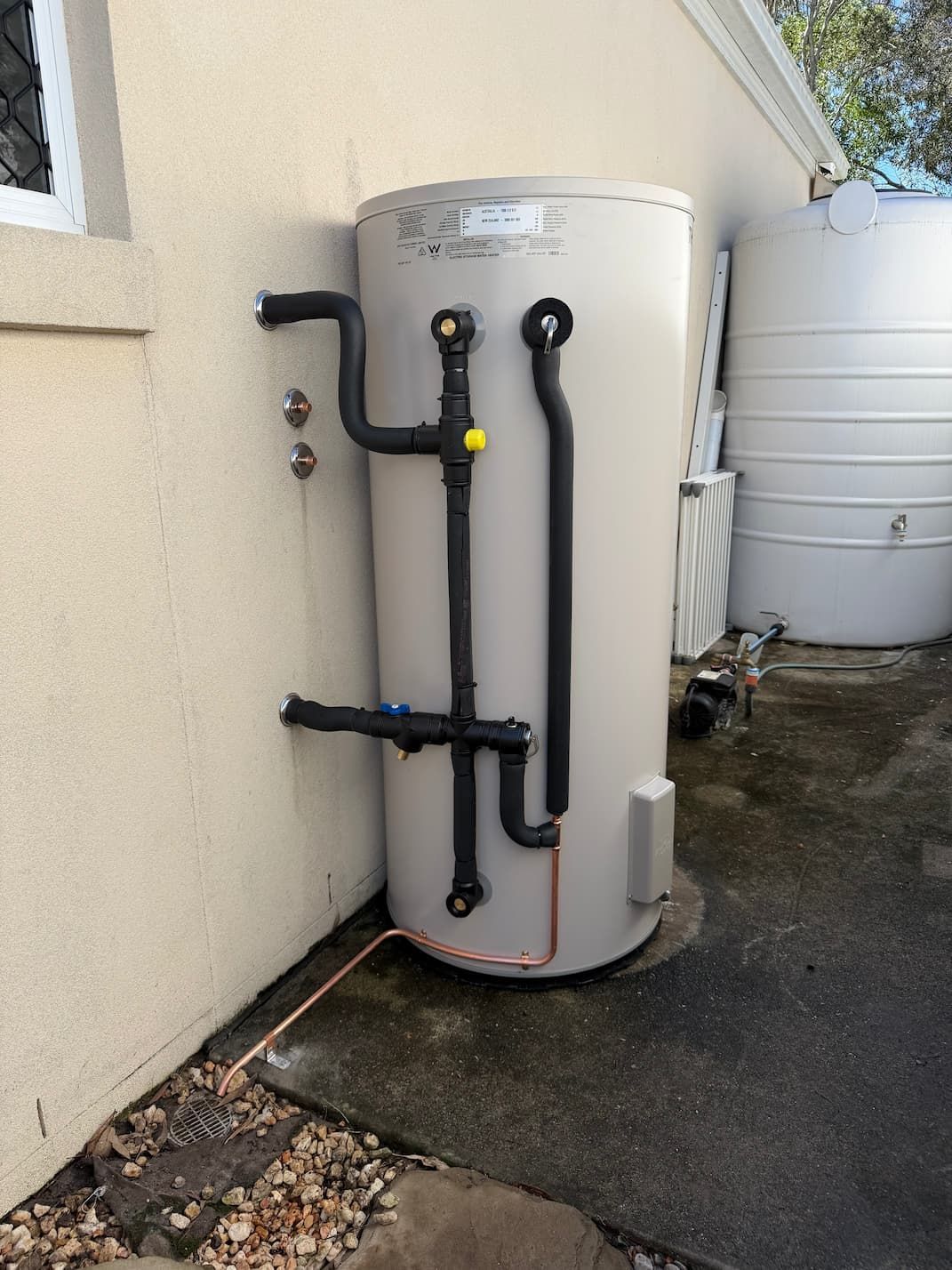
- Hot water systems
- Stormwater drainage
- Gas plumbing (where applicable)
Inspections can be visual, mechanical, or camera-based, depending on the area being assessed and the age of the plumbing system.
Why Plumbing Inspections Are Important
Plumbing problems rarely happen overnight. Leaks, corrosion, and blockages typically develop slowly — and the longer they’re left unchecked, the more damage they cause.
A plumbing inspection can help you:
- Detect hidden leaks before they cause structural damage
- Prevent burst pipes and water damage
- Improve water efficiency and reduce water bills
- Identify safety or compliance issues
- Extend the lifespan of your plumbing system
- Avoid unexpected emergency plumbing costs
On the Sunshine Coast, where coastal conditions, older pipe materials, and heavy rainfall can all affect plumbing systems, regular inspections are especially important.
When Should You Get a Plumbing Inspection?
Before Buying a Property
A plumbing inspection before settlement can reveal costly issues that may not be obvious during a standard building inspection. This allows you to negotiate repairs or pricing before finalising the purchase.
As Part of Routine Maintenance
For existing homes, an inspection every few years can prevent small problems from escalating into major repairs.
For Rental Properties
Landlords are responsible for maintaining safe and functional plumbing. Regular inspections help meet legal obligations and reduce emergency callouts.
When Experiencing Plumbing Issues
Low water pressure, slow drains, unexplained water bills, or strange noises can all indicate underlying plumbing problems that require inspection.
After Severe Weather
Heavy rain, storms, or flooding can damage pipes and drains. A post-storm inspection can catch issues early.
What Does a Plumbing Inspection Include?
Visual Inspection of Pipes and Fixtures
The plumber checks exposed pipes, joints, and fittings for signs of leaks, corrosion, rust, or damage. Fixtures such as taps, toilets, and showers are also tested for functionality.
Water Pressure Testing
Incorrect water pressure can damage appliances and pipes. A plumbing inspection ensures pressure levels are within safe limits.
Drain and Sewer Inspection
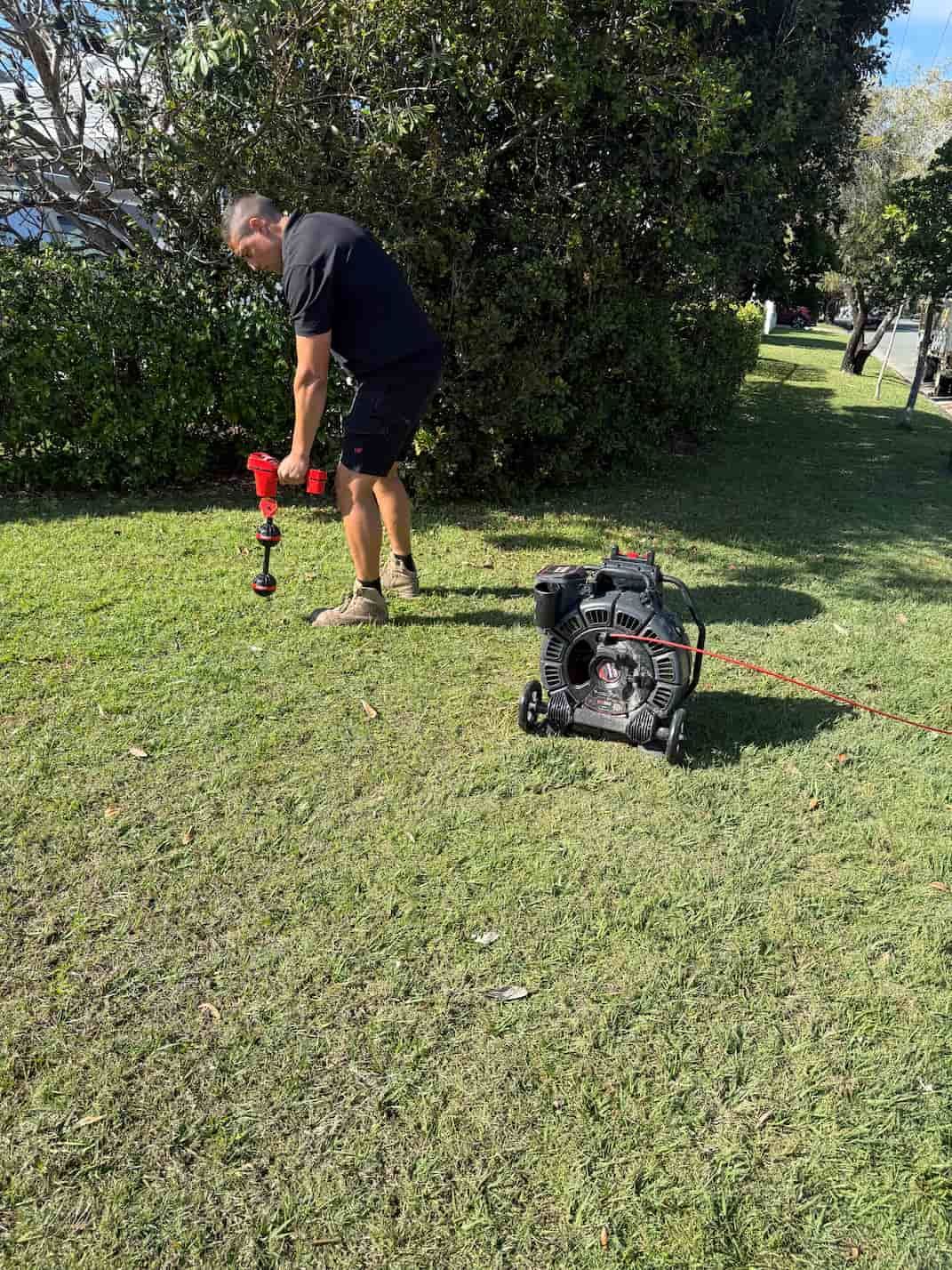
Blocked or damaged drains are one of the most common plumbing issues. Plumbers may use CCTV drain cameras to inspect sewer lines for tree roots, cracks, or collapses.
Hot Water System Inspection
The condition, age, and performance of your hot water system are assessed, including valves, connections, and temperature settings.
Stormwater Drainage Assessment
Stormwater systems are checked to ensure they are draining properly and directing water away from the property.
Gas Plumbing Inspection (If Applicable)
For homes with gas appliances, licensed plumbers inspect gas lines, connections, and ventilation to ensure safety and compliance.
Types of Plumbing Inspections
General Plumbing Inspection
A broad inspection covering all major plumbing components in the home or building.
Pre-Purchase Plumbing Inspection
Focused on identifying defects or future risks before buying a property.
CCTV Drain Inspection
Uses camera technology to assess underground drains and sewer pipes without excavation.
Leak Detection Inspection
Targets hidden leaks using specialised equipment such as acoustic sensors or thermal imaging.
Compliance Inspection
Ensures plumbing installations meet Australian standards and local regulations.
How Long Does a Plumbing Inspection Take?
The duration of a plumbing inspection depends on the size of the property and the scope of the inspection.
- Small homes: 60–90 minutes
- Larger homes or commercial properties: 2–3 hours
- CCTV drain inspections: Additional time depending on access
Your plumber should provide a clear overview of what’s included and how long the inspection will take.
What Happens After the Inspection?
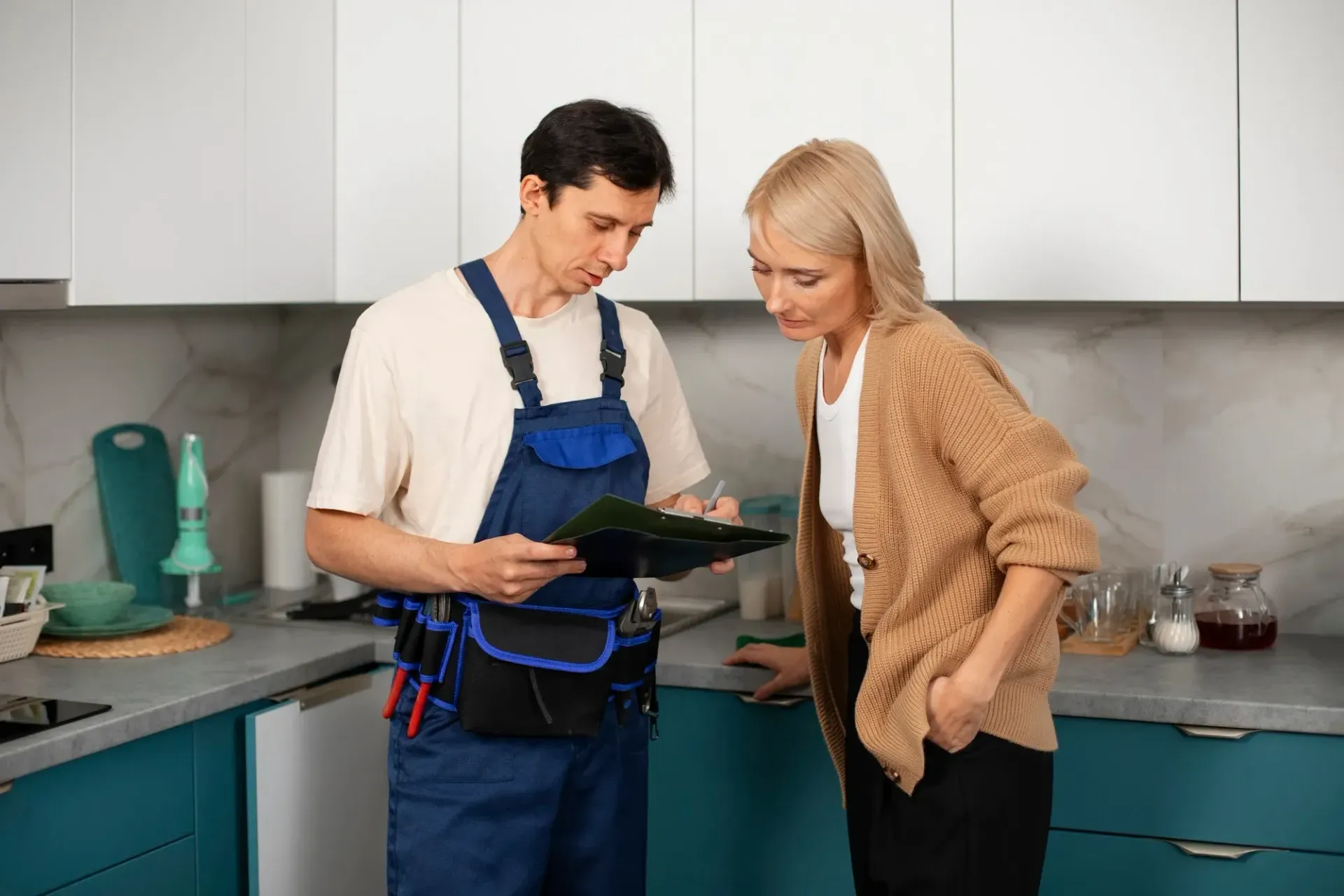
After the inspection, your plumber should explain their findings clearly and honestly. This may include:
- A summary of issues identified
- Recommendations for repairs or upgrades
- Priority levels (urgent vs non-urgent)
- Preventative maintenance advice
In many cases, minor issues can be fixed immediately, while larger repairs can be quoted separately.
Common Issues Found During Plumbing Inspections
Some of the most common problems uncovered during plumbing inspections include:
- Leaking or corroded pipes
- Blocked drains and sewer lines
- Tree root intrusion
- Faulty pressure limiting valves
- Ageing hot water systems
- Poor stormwater drainage
- Non-compliant plumbing work
Catching these issues early can save thousands of dollars in repairs.
How Often Should Plumbing Be Inspected?
As a general guide:
- Owner-occupied homes: Every 3–5 years
- Rental properties: Every 1–2 years
- Older homes (20+ years): Every 1–2 years
- Commercial properties: Annually
Properties on the Sunshine Coast may benefit from more frequent inspections due to environmental conditions and soil movement.
How Much Does a Plumbing Inspection Cost?
The cost of a plumbing inspection varies depending on:
- Property size
- Type of inspection required
- Use of CCTV cameras or specialised equipment
- Accessibility of plumbing systems
While pricing can vary, a plumbing inspection is a small investment compared to the cost of emergency repairs or water damage.
DIY Checks vs Professional Plumbing Inspections
While homeowners can visually check for obvious leaks or dripping taps, many plumbing issues are hidden underground or behind walls.
Licensed plumbers have the tools, training, and experience to detect problems that aren’t visible to the untrained eye.
A professional inspection provides a far more accurate and reliable assessment than DIY checks alone.
Why Choose a Local Sunshine Coast Plumber?
Working with a local plumber means choosing someone who understands regional conditions, council requirements, and common plumbing issues in the area. A trusted local plumber can also respond faster if repairs are needed.
Celsius Plumbing provides thorough plumbing inspections across the Sunshine Coast, with a strong focus on preventative maintenance, clear communication, and honest advice.
Plumbing Inspections for Commercial Properties
Commercial plumbing systems are often larger and more complex than residential systems. Regular inspections help businesses:
- Avoid downtime from plumbing failures
- Maintain workplace safety
- Meet compliance obligations
- Protect expensive equipment and stock
Commercial inspections can be tailored to suit offices, retail spaces, hospitality venues, and industrial properties.
Is a Plumbing Inspection Worth It?
Absolutely. A plumbing inspection gives you clarity, confidence, and control over your property’s plumbing system. Whether you’re maintaining your home, managing a rental, or purchasing a new property, an inspection helps prevent surprises and long-term damage.
If you’re searching for a dependable Sunshine Coast plumber to carry out a professional plumbing inspection, choosing a local expert makes all the difference.
Book a Plumbing Inspection on the Sunshine Coast
If you need a reliable Sunshine Coast plumber to carry out a thorough plumbing inspection, Celsius Plumbing is here to help.
Contact our team today to book a plumbing inspection, identify potential issues early, and keep your plumbing system running safely and efficiently.
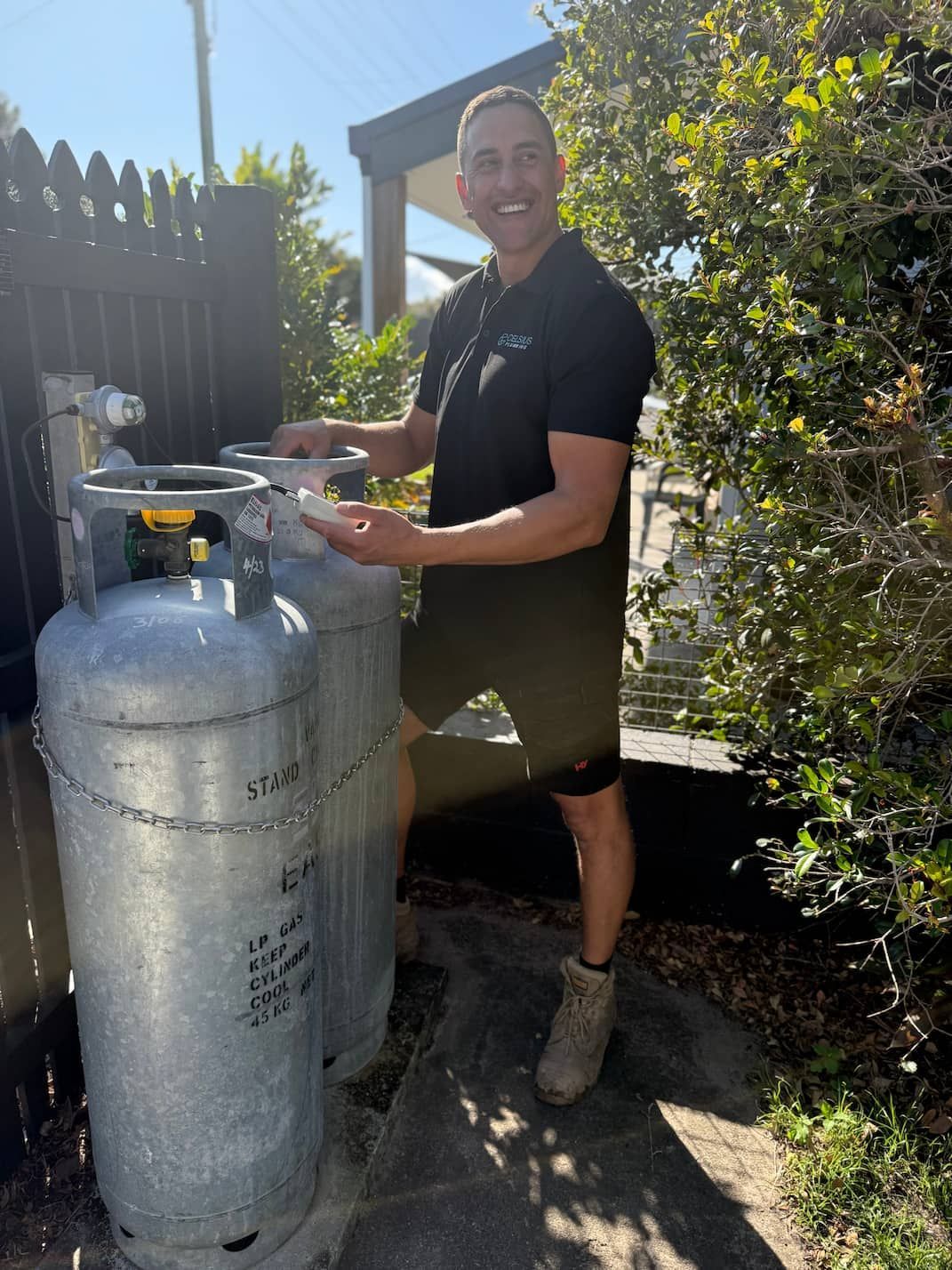
Written by Justin from Celsius Plumbing
Meet Justin, the owner of Celsius Plumbing. With over 15 years of industry experience, Justin combines technical expertise with a commitment to clear communication and reliable service.