How Do Solar Hot Water Systems Work?
With Queensland’s warm climate and high sunshine hours, solar hot water systems remain one of the most energy-efficient ways to heat water for Australian homes. Across the Sunshine Coast, many homeowners choose solar hot water to reduce electricity usage, lower long-term running costs and take advantage of the region’s consistent sun exposure throughout the year.
At Celsius Plumbing, we regularly install, repair and replace solar hot water systems across the Sunshine Coast. One of the biggest things homeowners are often surprised by is how much of their household energy usage comes from heating water. In many homes, hot water accounts for around 25–30% of total energy consumption.
Solar hot water systems help reduce this reliance on electricity or gas by using energy from the sun to heat water naturally.
In this guide, we’ll explain:
- How solar hot water systems work
- The different types of systems available
- Common components and how they function
- Common solar hot water problems
- Whether solar hot water is still worth it in Queensland
- What to consider before installing a system
What Is A Solar Hot Water System?
A solar hot water system uses solar energy from the sun to heat water for household use.
Unlike solar power systems that generate electricity through photovoltaic panels, solar hot water systems use solar collectors that absorb heat directly and transfer it into water.
Because Queensland receives strong sunshine throughout most of the year, solar hot water systems can often provide the majority of a household’s hot water requirements using sunlight alone.
How Solar Hot Water Systems Work
Although different systems operate slightly differently, the basic process is similar across most solar hot water setups.
Step 1: Solar Collectors Absorb Heat
Collectors mounted on the roof absorb heat from sunlight throughout the day.
The two most common collector types are:
- Flat plate collectors
- Evacuated tube collectors
The heat generated inside these collectors warms either:
- Water directly, or
- A heat-transfer fluid
Step 2: Heated Water Moves Toward The Storage Tank
As the water or fluid heats up, it naturally rises or is pumped toward the storage tank.
Depending on the system design, this movement happens through:
- Thermosiphon circulation
- Pump circulation systems
Step 3: Water Is Stored Until Needed
The insulated storage tank keeps the heated water hot until someone uses a tap, shower or appliance.
Most tanks are heavily insulated to help maintain water temperature overnight and during cloudy weather.
Step 4: Booster Heating Activates If Needed
If solar heating alone cannot maintain the required temperature, a booster system automatically activates.
Boosters may be:
- Electric
- Gas-powered
This ensures households still have reliable hot water even during:
- Rainy weather
- Winter periods
- High water usage days
Main Components Of A Solar Hot Water System
Solar Collectors
Solar collectors are installed on the roof and capture solar heat.
Flat Plate Collectors
Flat plate systems use dark absorber panels enclosed in insulated boxes.
Benefits include:
- Lower upfront cost
- Reliable performance in warm climates
- Simpler design
On the Sunshine Coast, flat plate systems are still extremely common because Queensland’s warm climate suits them well.
Evacuated Tube Collectors
Evacuated tube systems use glass tubes containing absorber rods.
Advantages include:
- Higher efficiency in cooler weather
- Better heat retention
- Improved winter performance
These systems are often chosen for households wanting maximum efficiency.
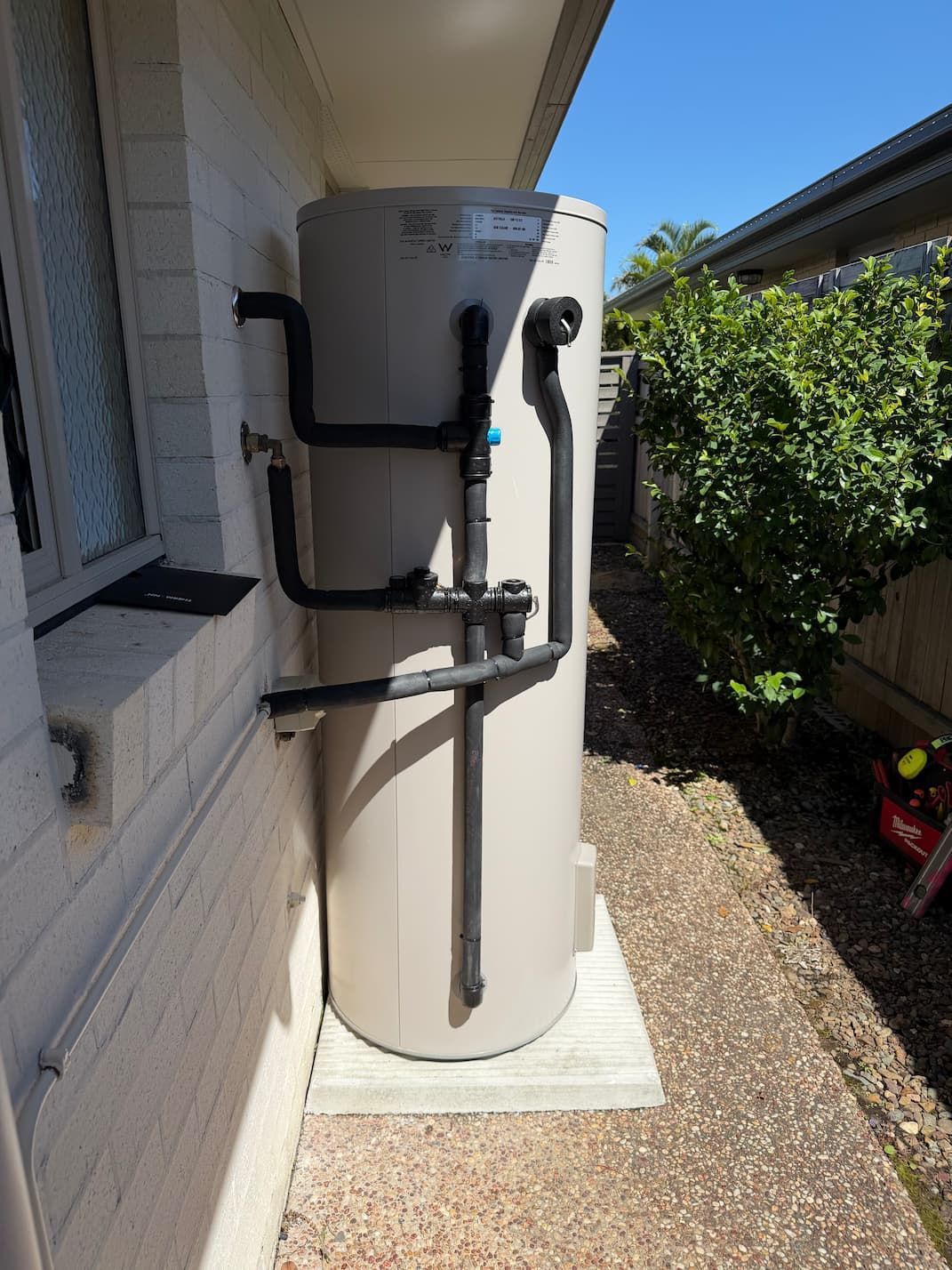
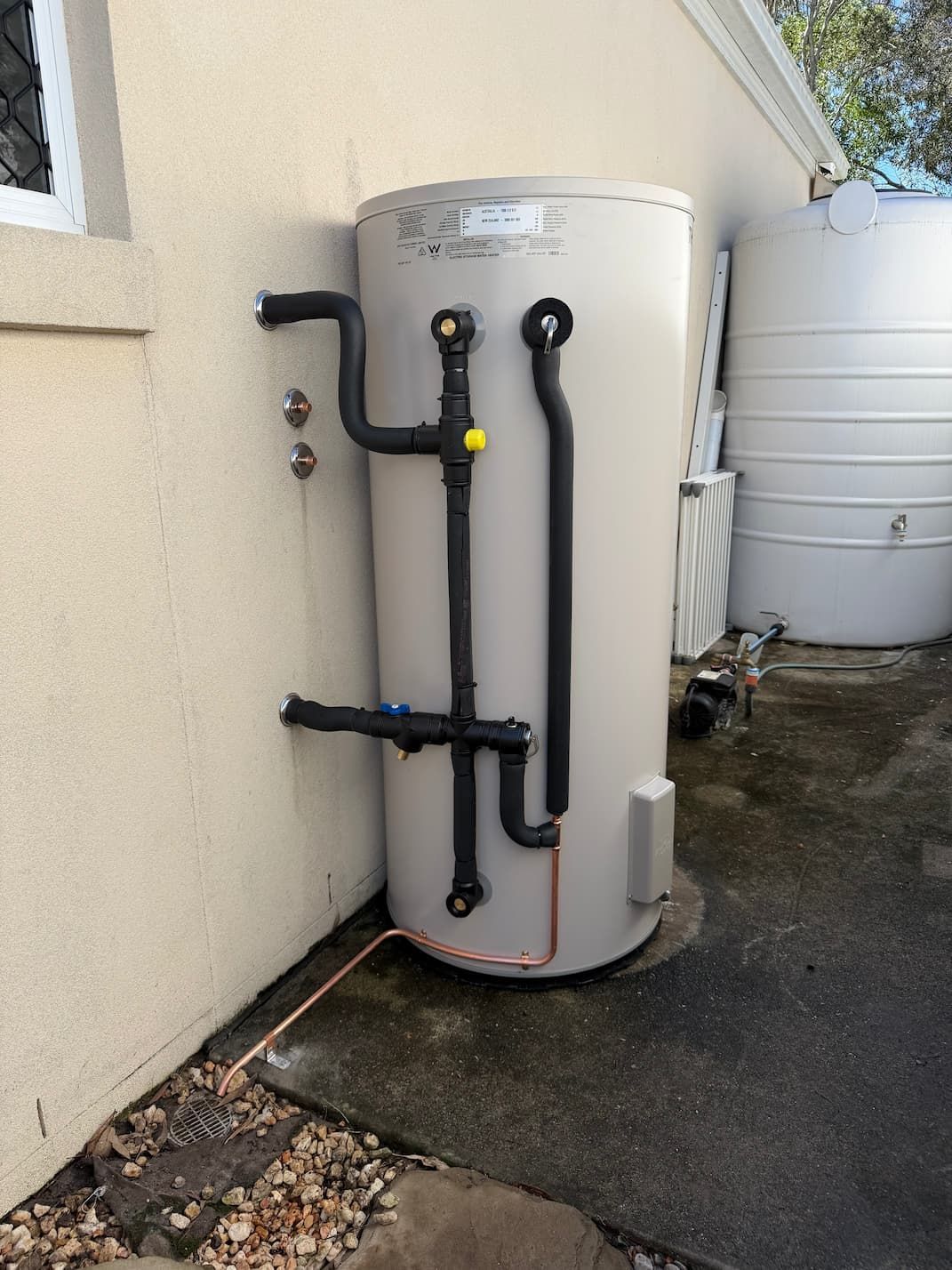
Storage Tank
The storage tank holds heated water until it’s required.
Depending on the system design, the tank may be:
- Mounted on the roof
- Installed at ground level
The tank usually contains:
- Insulation
- Pressure relief valves
- Tempering valves
- Sacrificial anodes
These components help maintain efficiency and protect the system over time.
Circulation System
Water must circulate between the collectors and storage tank.
Thermosiphon Systems
Thermosiphon systems rely on natural convection:
- Hot water rises
- Cooler water sinks
These systems:
- Require no pump
- Have fewer moving parts
- Are generally very reliable
However, they usually require the tank to sit above the collectors.
Pumped Systems
Pumped systems use:
- Circulation pumps
- Temperature sensors
- Electronic controllers
to move water between the roof collectors and ground-level tank.
At Celsius Plumbing, split pumped systems are one of the most common solar hot water systems we install across the Sunshine Coast because they:
- Reduce roof weight
- Improve aesthetics
- Suit modern homes
- Allow more installation flexibility
Booster Systems
Solar systems require backup heating for periods of low sunlight.
Boosters activate automatically when water temperatures drop below the required level.
Most systems use:
- Electric boosters
- Gas boosters
The booster generally only runs when necessary.
The Most Common Solar Hot Water Systems We Install
At Celsius Plumbing, the most common solar hot water systems we install include:
Split Systems
These systems use:
- Roof-mounted collectors
- Ground-level storage tanks
- Pump circulation
Benefits include:
- Reduced roof weight
- Cleaner appearance
- Better suitability for two-storey homes
- Easier maintenance access
Close-Coupled Systems
These systems have both:
- The collectors
- The storage tank
mounted together on the roof.
Advantages include:
- Simpler design
- Lower installation costs
- Reliable thermosiphon operation
However, they place more weight on the roof structure.
Why Solar Hot Water Works So Well In Queensland
Queensland is one of the best locations in Australia for solar hot water performance.
Reasons include:
- High annual sunshine hours
- Warm ambient temperatures
- Lower reliance on boosters
- Faster water heating
On the Sunshine Coast, many solar systems can supply around 60–90% of annual household hot water needs using solar energy alone.
What Happens During Cloudy Weather?
One of the most common questions homeowners ask is whether solar hot water still works during cloudy weather.
The answer is yes.
If sunlight isn’t strong enough:
- The booster automatically activates
- Hot water supply continues normally
- No manual switching is required
Modern systems are designed to maintain reliable hot water year-round.
Is Solar Hot Water Still Worth It In Queensland?
With rising electricity prices, many Sunshine Coast homeowners still find solar hot water systems highly worthwhile.
Benefits often include:
- Lower running costs
- Reduced electricity usage
- Long-term energy savings
- Lower reliance on grid power
- Reduced environmental impact
Solar hot water tends to be especially worthwhile for:
- Larger families
- Homes with high hot water usage
- Long-term homeowners
- Properties with good roof orientation
Government rebates and STCs (Small-scale Technology Certificates) may also help reduce upfront installation costs.
Solar Hot Water vs Heat Pumps
Heat pump systems have also become increasingly popular across Queensland.
Solar Hot Water Benefits
- Uses direct sunlight
- Very efficient in sunny climates
- Lower long-term running costs
- Reduced electricity dependence
Heat Pump Benefits
- Doesn’t rely on direct sunlight
- Works well in shaded homes
- Consistent operation year-round
- Easier installation in some properties
At Celsius Plumbing, the best option usually depends on:
- Roof orientation
- Household size
- Budget
- Property layout
- Energy goals
Common Solar Hot Water Problems We See
Like any hot water system, solar units can develop problems over time.
At Celsius Plumbing, some of the most common solar hot water issues we encounter include:
- Faulty tempering valves
- Booster failures
- Circulation pump failures
- Leaking pressure relief valves
- Corroded tanks
- Scale build-up
- Collector damage
- Poor roof positioning reducing efficiency
On coastal Sunshine Coast properties, corrosion around exposed fittings and valves can occur faster due to salt air exposure.
Do Solar Hot Water Systems Need Maintenance?
Yes — although maintenance requirements are generally moderate.
Typical maintenance includes:
- Checking sacrificial anodes
- Testing tempering valves
- Inspecting pressure relief valves
- Checking pumps and controllers
- Inspecting collectors for debris or damage
Regular servicing helps maximise:
- Efficiency
- Lifespan
- Reliability
How Long Do Solar Hot Water Systems Last?
A properly installed and maintained solar hot water system can last many years.
Average lifespans include:
| Component | Typical Lifespan |
|---|---|
| Solar collectors | 15–20 years |
| Storage tank | 10–15 years |
| Pumps/controllers | 5–10 years |
Quality installation and regular servicing are extremely important in coastal Queensland conditions.
What Size Solar Hot Water System Do You Need?
The right system size depends on:
- Household size
- Daily hot water usage
- Roof space
- Roof orientation
- Climate conditions
As a rough guide:
- 1–2 people: 160–250L
- 3–5 people: 250–315L
- Larger households: larger-capacity systems
A licensed plumber can help determine the right setup for your property.
Installation Considerations On The Sunshine Coast
Before installing solar hot water, plumbers assess:
- Roof orientation
- Roof pitch
- Shading from trees
- Structural roof support
- Existing plumbing connections
- Booster requirements
- Electrical or gas access
Correct positioning and design are critical for long-term efficiency.
Frequently Asked Questions
Do Solar Hot Water Systems Work In Winter?
Yes. Solar systems still work during winter, although the booster system may operate more frequently during cooler or cloudy periods.
Can Solar Hot Water Run Out?
Yes. Heavy hot water usage can temporarily exceed the system’s storage capacity, particularly in larger households.
Are Solar Hot Water Systems Expensive To Repair?
Repair costs depend on the component involved. Pumps, valves and boosters are generally less expensive than full tank replacements.
How Much Can Solar Hot Water Save?
Savings vary depending on household size and usage, but solar hot water can significantly reduce electricity costs over time.
Conclusion
Solar hot water systems remain one of the most efficient and cost-effective ways to heat water in Queensland’s sunny climate. By using solar energy to reduce reliance on electricity or gas, they can provide long-term savings while still delivering reliable hot water year-round.
At Celsius Plumbing, we regularly help Sunshine Coast homeowners install, repair and upgrade solar hot water systems suited to local conditions, household usage and energy goals. Whether you’re considering a new installation or replacing an ageing hot water system, choosing the right setup and having it installed properly makes all the difference.
Written by Justin from Celsius Plumbing
Meet Justin, the owner of Celsius Plumbing. With over 15 years of industry experience, Justin combines technical expertise with a commitment to clear communication and reliable service.