Pre Purchase Plumbing Inspection Checklist: What To Look For When Buying A House
Buying a house is one of the biggest financial decisions you'll ever make, and the plumbing is one of the easiest things to overlook until it costs you thousands. Before you sign anything, walk through the property with a proper plumbing checklist in hand, or better yet, get a licensed plumber to do it for you. This guide covers exactly what to check, what red flags mean trouble, and how to use your findings to negotiate a better deal.
Why a Plumbing Inspection Matters Before Buying a House
A house can look immaculate and still be sitting on ageing pipes, a tired hot water system, or a sewer line full of tree roots. None of that shows up in photos, and a lot of it won't show up in a standard building inspection either. Plumbing problems are expensive to fix and easy to hide, which makes a dedicated inspection one of the smartest moves you can make during due diligence.
What a Plumbing Inspection Covers That a Standard Building Inspection Misses
Most general building and pest inspectors aren't licensed plumbers. They'll note obvious issues like water stains or a leaking tap, but they generally won't:
- Test water pressure and flow rate across multiple outlets
- Run a camera through the sewer line to check for cracks, root intrusion or collapses
- Assess the age, compliance and remaining lifespan of the hot water system
- Identify the pipe material (copper, galvanised steel, PVC, or ageing polybutylene) and its condition
- Check gas fittings for compliance and safety
That's the gap a licensed plumber fills. It's specialist knowledge, and it's exactly the kind of detail that can save you from an expensive surprise a few months after settlement.
Common Plumbing Issues That Can Affect a Sale (and Your Budget)
Some of the most costly issues we see include:
- Corroded or ageing pipework needing partial or full replacement
- A hot water system near the end of its life (most last 8 to 12 years)
- Sewer line damage from tree roots, especially on older blocks
- Poor drainage causing water pooling near the foundations
- Non-compliant gas fittings or DIY plumbing work
Any one of these can run into the thousands to fix, so knowing about them before you buy gives you real negotiating power.
Should You Hire a Professional or Inspect the Plumbing Yourself?
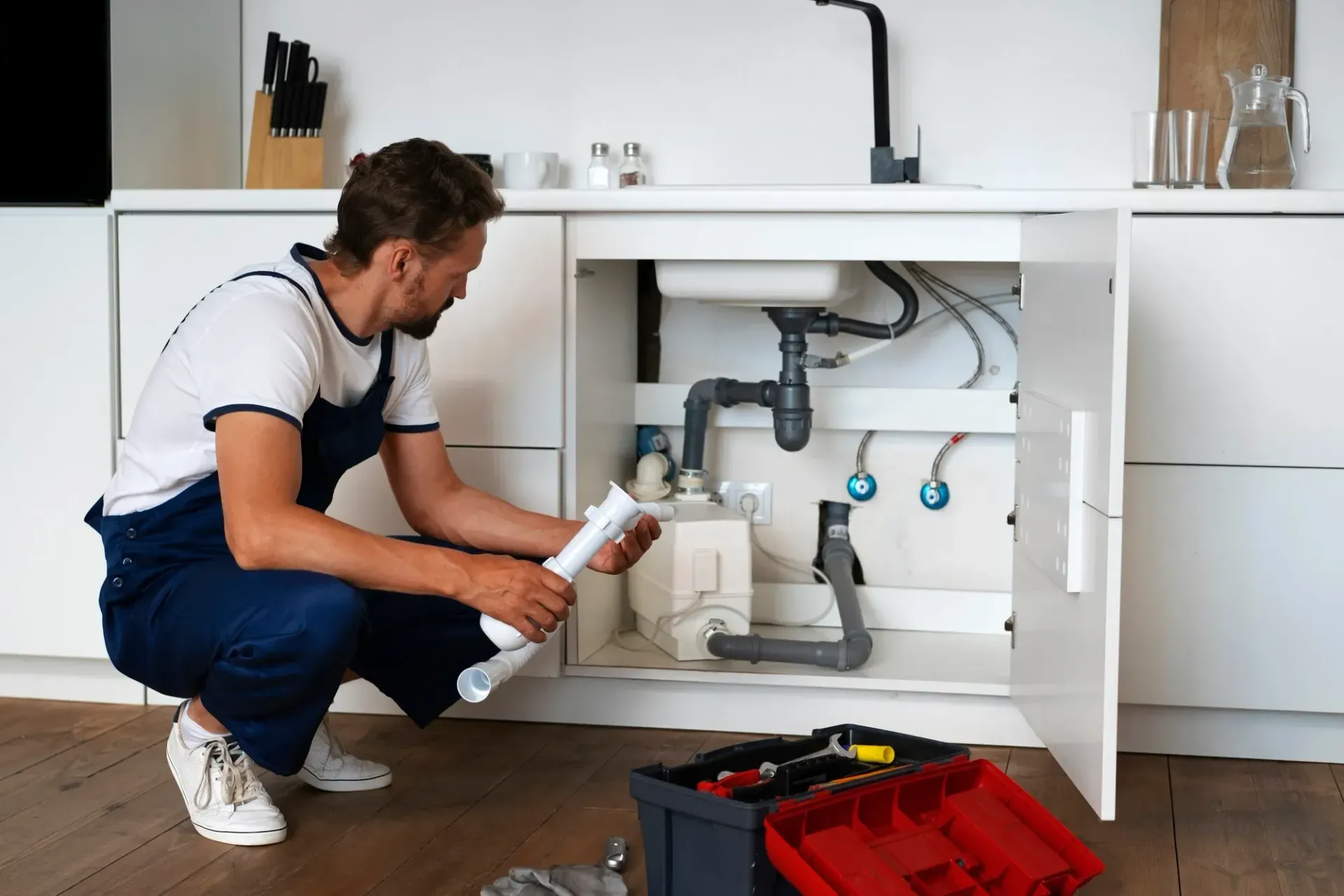
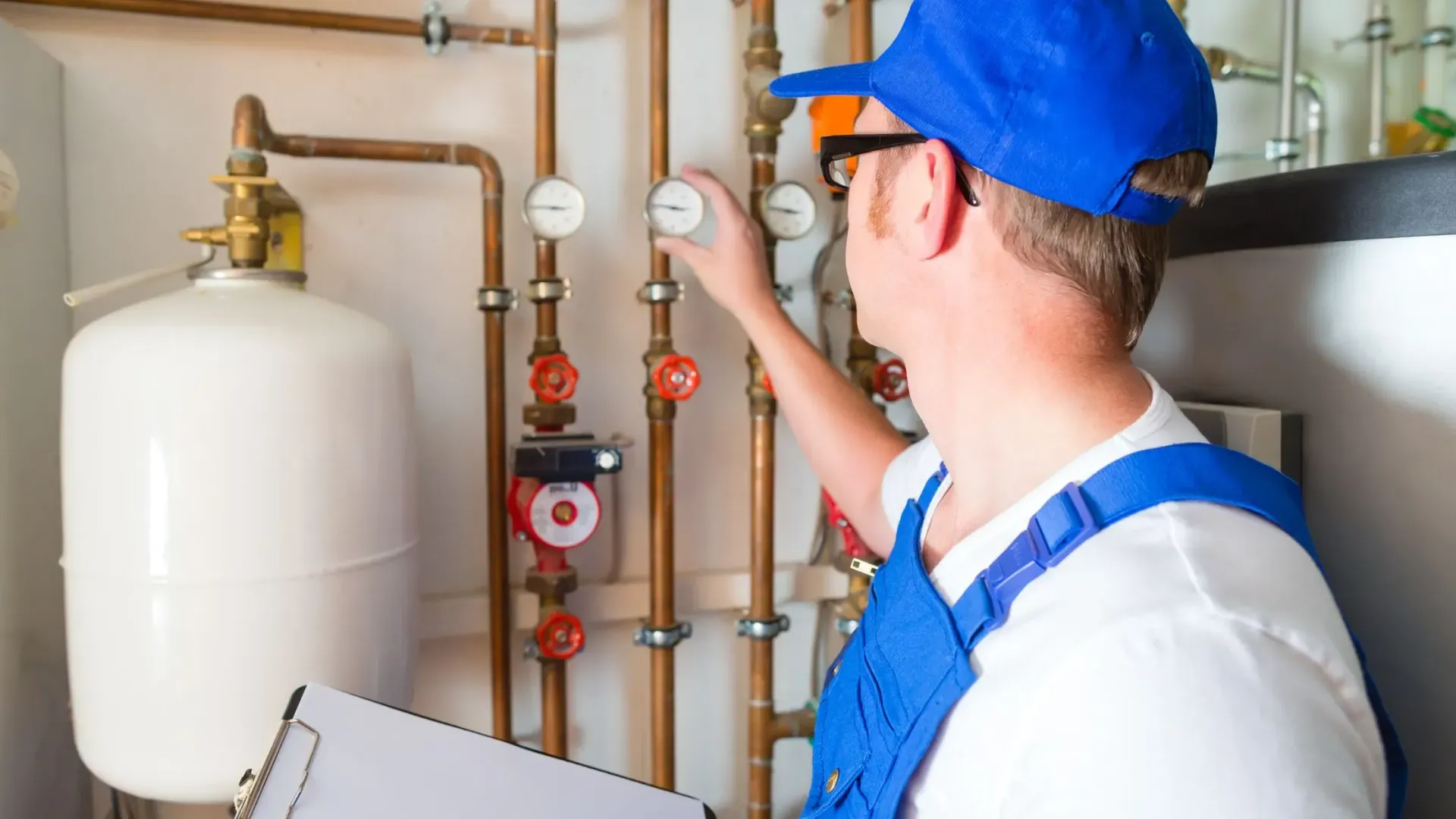
You can do a basic walkthrough yourself, but a licensed plumber will catch things you simply can't see or test without the right tools. For anything beyond a quick visual check, it's worth paying for a proper inspection, especially on older homes or properties with a septic system.
What a Licensed Plumber Checks vs What a Buyer Can Check
As a buyer, you can reasonably check for:
- Water stains, damp patches or mould on ceilings and walls
- Slow-draining sinks, baths or showers
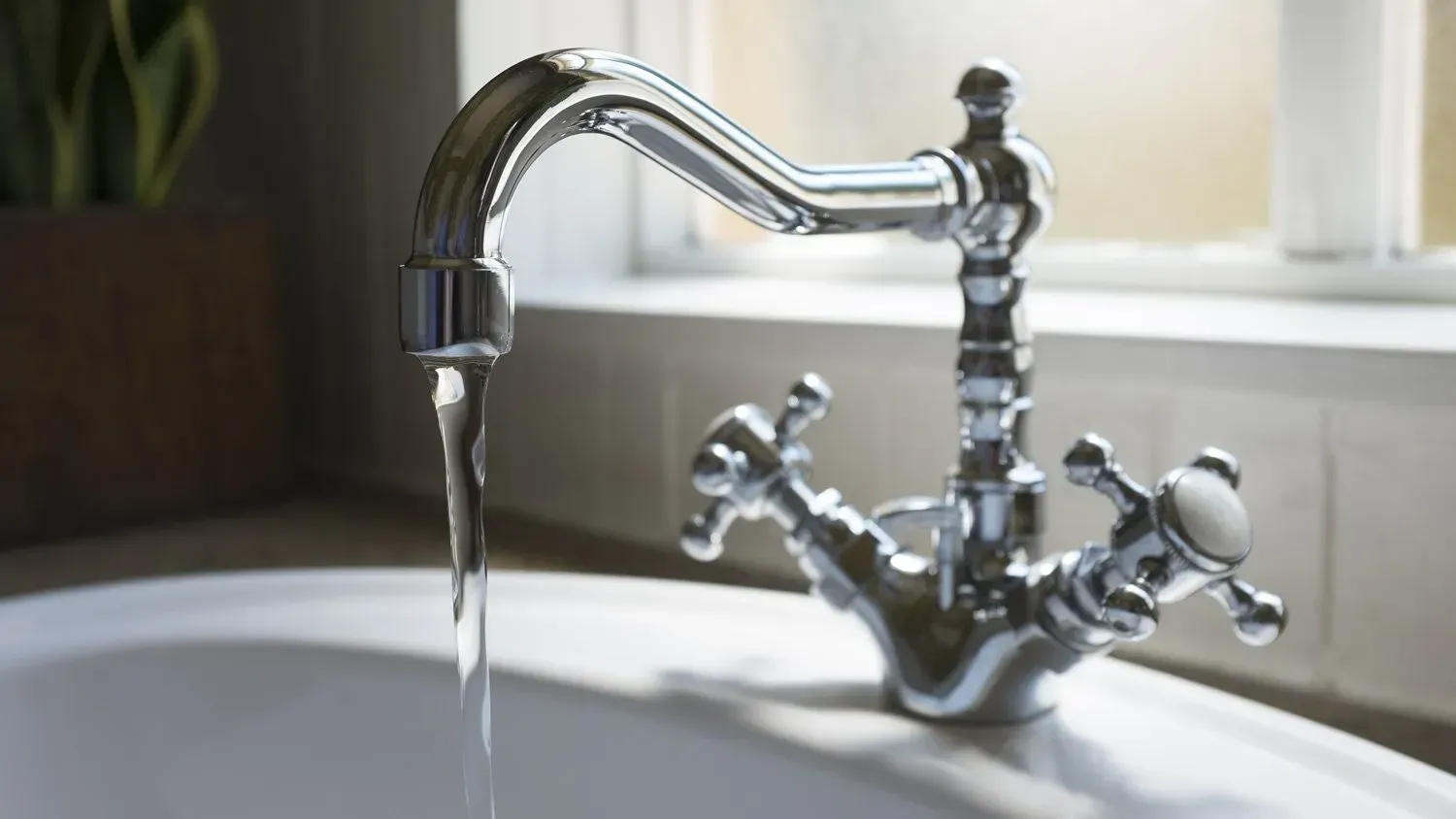
- Taps that drip or wobble
- Visible pipe corrosion under sinks
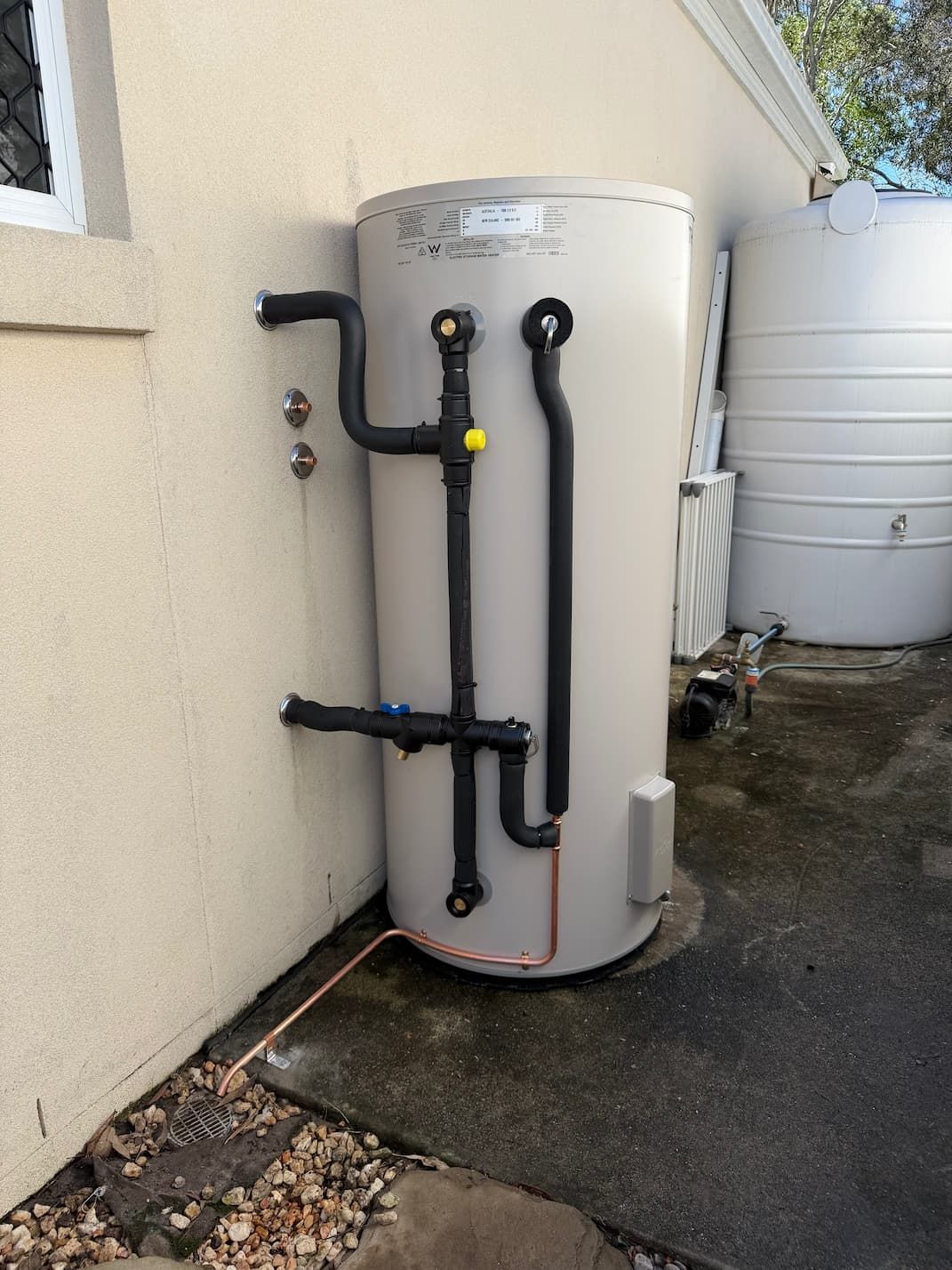
- The age and condition of the hot water unit (check the manufacture date on the compliance plate)
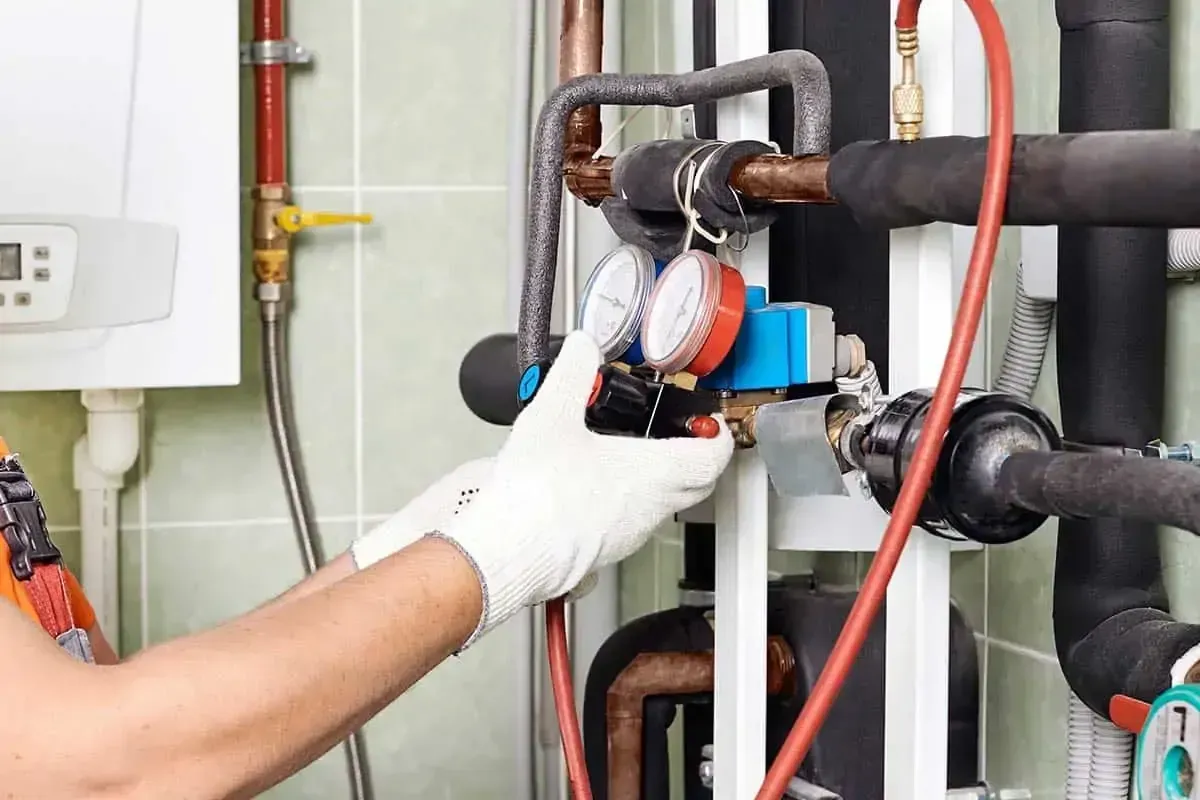
A licensed plumber goes further, using pressure and flow testing, drain cameras, gas leak detection, and moisture metres to find problems hidden behind walls, under slabs, or underground. If you want real certainty, it's worth arranging to book a pre-purchase plumbing inspection before your due diligence period ends.
Average Cost of a Pre-Purchase Plumbing Inspection
Costs vary depending on the size of the property and whether a sewer camera inspection is included, but as a general guide, expect a professional plumbing inspection to cost a small fraction of what a single major repair would set you back. Compared to a potential pipe relining job or hot water system replacement, it's a modest, worthwhile investment.
When to Book an Inspection During the Buying Process
Timing matters. Ideally, arrange your plumbing inspection:
- After your offer is accepted but during the cooling-off or due diligence period
- Before your building and pest inspection, or at the same time, so you can compare notes
- With enough time left on your contract to negotiate or pull out if something serious turns up
Leaving it too late limits your options if a major issue is found.
The Pre-Purchase Plumbing Inspection Checklist
Here's what should be checked, room by room and system by system, before you commit to buying.
Water Pressure and Flow
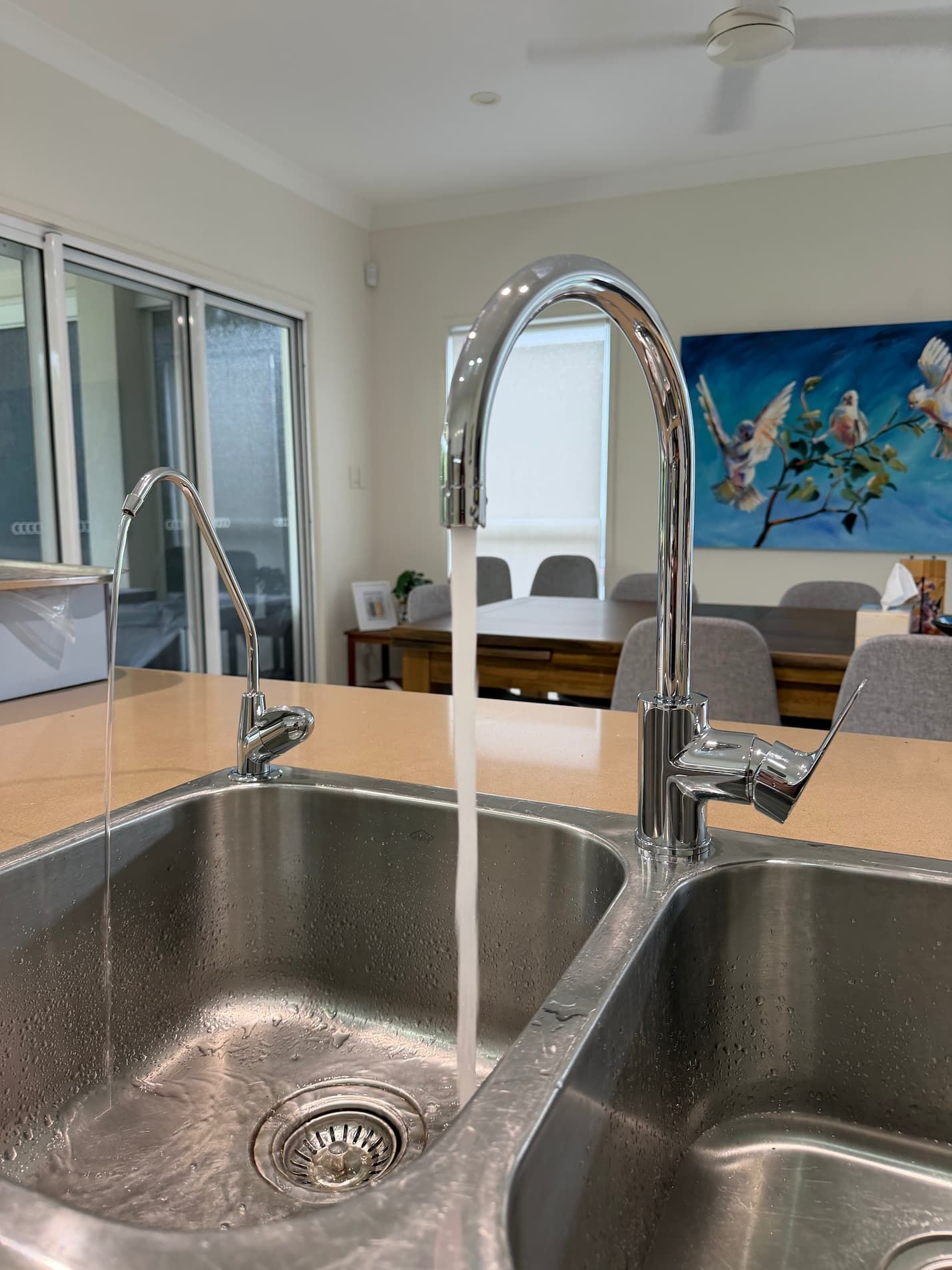
Turn on taps and showers, ideally more than one at a time, and check for consistent pressure. Weak or fluctuating pressure can point to old, narrow, or partially blocked pipes.
Pipes and Plumbing Materials
Ask what the pipes are made of and how old they are. Copper and modern PVC are generally reliable, while ageing galvanised steel or old polybutylene pipes are more prone to corrosion, leaks and reduced water quality.
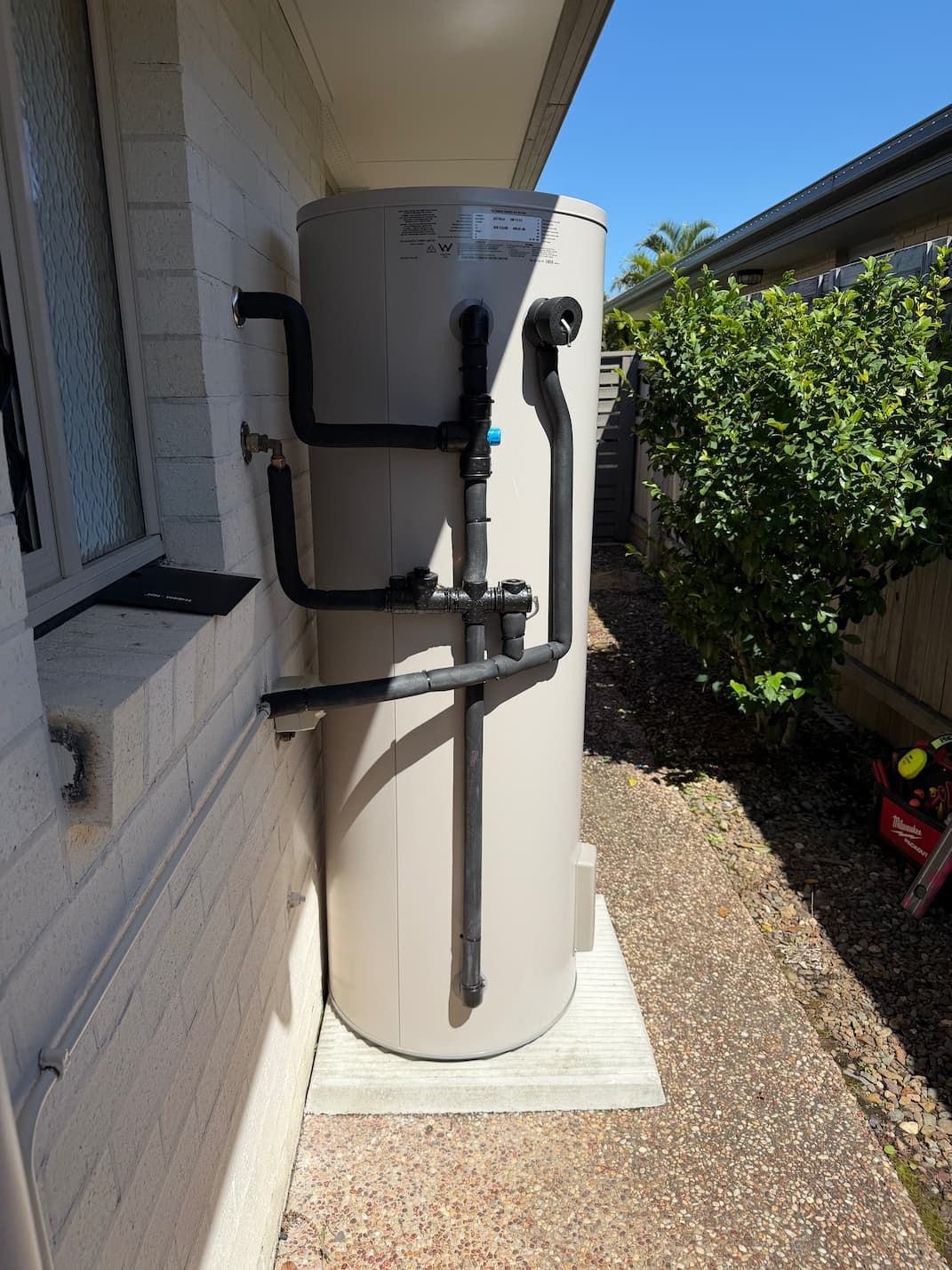
Hot Water System (Age, Size, Condition, Compliance)
Check the compliance plate for the installation date, and look for rust, corrosion or pooling water around the unit. If the system is nearing the end of its typical lifespan, it's worth understanding hot water system replacement costs so you can factor that into your offer.
Taps, Fixtures and Fittings
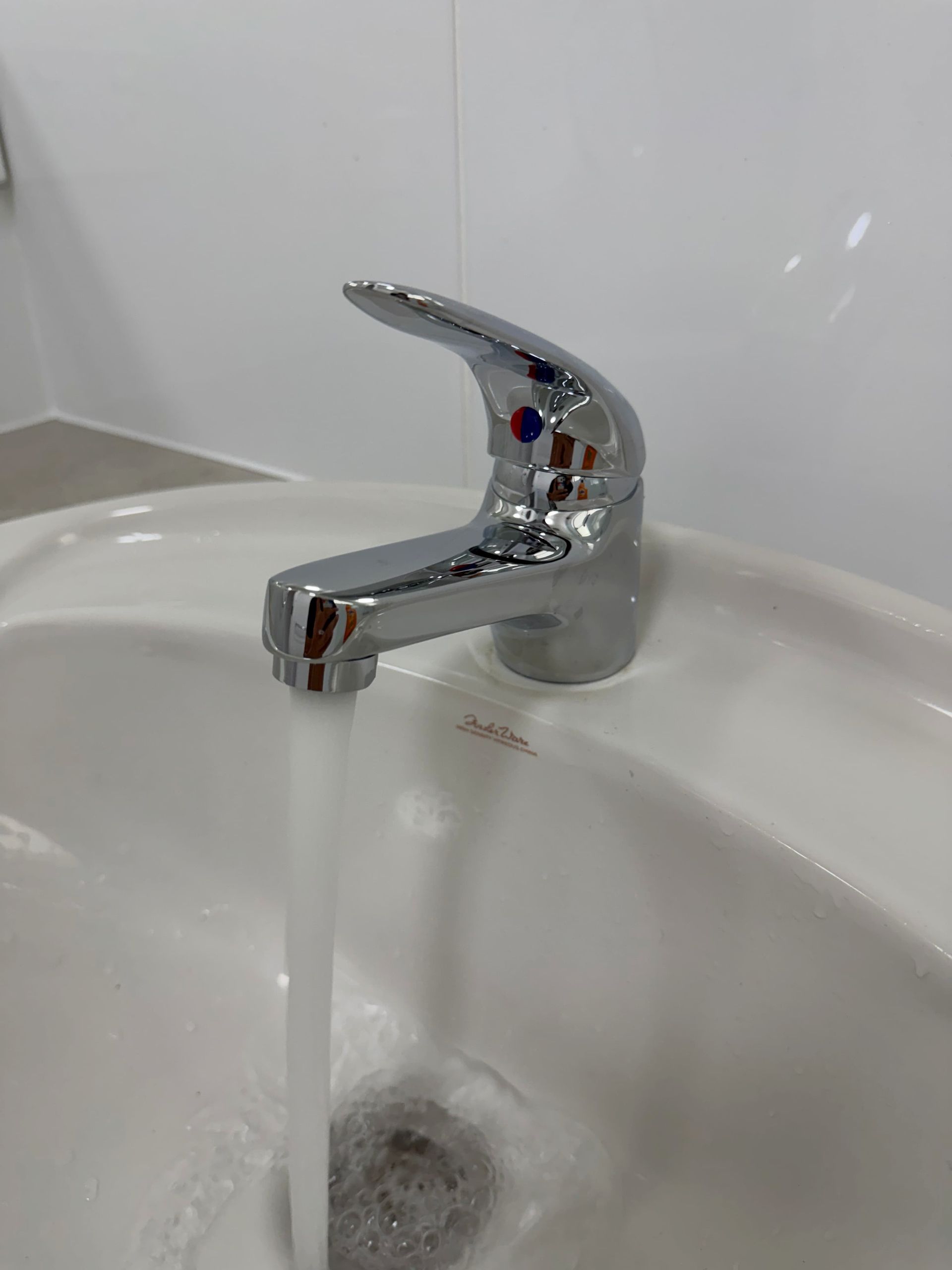
Test every tap in the house. Look for:
- Drips or leaks at the base
- Wobbly or loose fittings
- Signs of old washers needing replacement
- Water staining on cabinetry underneath
Toilets and Cisterns
Flush every toilet and check for:
- Slow refilling cisterns
- Continuous running water
- Cracks in the bowl or cistern
- Wobbling on the floor, which can indicate a failed wax seal or subfloor damage
Drainage and Stormwater
Pour water down sinks, showers and floor drains and time how long it takes to clear. Slow drainage in multiple fixtures at once often points to a blockage further down the line, not just a local clog.
Sewer and Septic System (Including Camera Inspections)
This is one area DIY simply can't cover. A sewer camera inspection can reveal cracked pipes, root intrusion, or ageing earthenware pipes long before they cause a backup. If the property is older or has established trees near the sewer line, understanding the signs you need a drain camera inspection is essential before you buy. Septic systems need their own separate check, including tank condition and pump-out history.
Signs of Leaks, Water Damage or Mould
Walk every room and check:
- Ceilings and walls for staining or bubbling paint
- Skirting boards and flooring for warping
- Musty smells, particularly in bathrooms, laundries and under-sink cabinets
- Visible mould in poorly ventilated areas
Gas Plumbing and Fittings (If Applicable)
If the property has gas, ask for evidence of a recent compliance check on appliances and fittings. Smell for gas near the meter, stove and hot water unit, and check that outdoor gas points are capped properly when not in use.
Outdoor Taps, Irrigation and Guttering
Don't stop at the front door. Check:
- Outdoor taps for leaks or corrosion
- Irrigation systems for even coverage and leaks
- Guttering and downpipes for blockages or rust
- Ground-level pooling near the house, which can indicate poor stormwater drainage
Red Flags That Signal Bigger (Costly) Plumbing Problems
Some issues are cosmetic. Others are early warnings of something much more expensive. Knowing the difference matters.
Warning Signs Inside the House
Be cautious if you notice:
- Multiple slow drains at once
- A strong, persistent musty smell
- Water stains that reappear after cleaning
- Visible patch repairs on ceilings or walls with no explanation
Warning Signs Outside the House
Outside, watch for:
- Unusually lush, green patches of lawn (can indicate a leaking sewer or water line underneath)
- Cracks in paths or driveways near plumbing runs
- Damp patches around the base of external walls
- Tree roots growing close to visible drainage points
Older Homes vs New Builds: Different Risks to Watch For
Older homes are more likely to have common plumbing problems in older homes, including ageing pipe materials, earthenware sewer lines and outdated hot water systems. New builds aren't risk-free either. Watch for rushed workmanship, incorrectly installed fixtures, or drainage issues from recent landscaping and slab work that hasn't settled yet.
How to Use the Inspection Results to Negotiate or Make a Decision
Findings from a plumbing inspection aren't just a checklist to file away, they're leverage. Use them to negotiate the price, request repairs before settlement, or make an informed decision about whether to proceed.
Getting Repair Quotes Before You Make an Offer
Once you know what's wrong, get an actual quote for the repair or replacement work. A specific dollar figure is far more persuasive in negotiations than a vague "there might be an issue with the pipes." It also protects you from underestimating what a fix will really cost.
When Plumbing Issues Are a Deal-Breaker
Some issues are worth walking away from, particularly if:
- A full sewer line replacement is needed and the seller won't negotiate
- There's evidence of long-term, unresolved water damage affecting the structure
- The cost of repairs significantly changes the value proposition of the purchase
- The seller is unwilling to disclose or address known plumbing defects
A thorough pre-purchase plumbing inspection gives you the facts to make that call with confidence, rather than finding out the hard way after settlement.
Frequently Asked Questions
What should be included in a pre-settlement inspection checklist?
It should cover water pressure, pipe condition, the hot water system, taps and fixtures, toilets, drainage, sewer lines, and any signs of leaks, water damage or mould, alongside the general building checks.
What are the most common home inspection fails?
Plumbing-related fails often include ageing or corroded pipes, a hot water system near the end of its life, slow or blocked drains, sewer line damage from tree roots, and non-compliant gas fittings.
What is a pre-inspection checklist?
It's a structured list of items to check before finalising a property purchase, covering structural, plumbing, electrical and general condition points so buyers know exactly what to look for and can compare properties consistently.
Does a house have to be empty for pre-settlement inspection?
No, but it does need to be substantially in the same condition as when you agreed to purchase it, with inclusions still present and working, and access to all rooms, taps and fixtures so a proper check can be carried out.
Written by Justin from Celsius Plumbing
Meet Justin, the owner of Celsius Plumbing. With over 15 years of industry experience, Justin combines technical expertise with a commitment to clear communication and reliable service.