Maximising Water Efficiency in Your QLD Property
Maximising water efficiency in your QLD property comes down to three things: fixing waste you can't see, choosing fixtures that use less without sacrificing performance, and building habits that stick. Get those right and most Queensland households can cut their water use by 20 to 40 percent, often with upgrades that pay for themselves within a couple of years. Here's how to do it properly.
What Does Water Efficiency Mean for QLD Properties?

Water efficiency simply means getting the same result (a clean load of washing, a comfortable shower, a healthy garden) while using less water to do it. It's not about restriction or discomfort, it's about cutting out waste.
Why Water Efficiency Matters in Queensland's Climate
Queensland's climate swings hard between drought and downpour. Long dry stretches on the Sunshine Coast and across the southeast put real pressure on dam levels and water infrastructure, while summer storms mean stormwater and rainwater capture are genuinely useful most of the year. That combination makes efficiency a practical necessity, not just an environmental nice-to-have.
Older Queensland homes were also built well before modern water-saving standards existed, so many properties are still running fixtures and pipework that waste far more than they need to.
How Water Usage Is Measured and Billed in QLD
Most southeast Queensland councils bill water in two parts: a fixed access charge and a variable usage charge based on kilolitres consumed, read from your meter. Some areas also charge separately for sewerage based on a percentage of water usage.
Because usage charges scale directly with consumption, even small daily reductions add up over a billing cycle. Checking your bill against your meter readings regularly is one of the simplest ways to catch problems early.
Benefits of Improving Water Efficiency
The upside isn't just a smaller bill, it touches your wallet, your garden, and your property's resale appeal.
Lower Water and Utility Bills
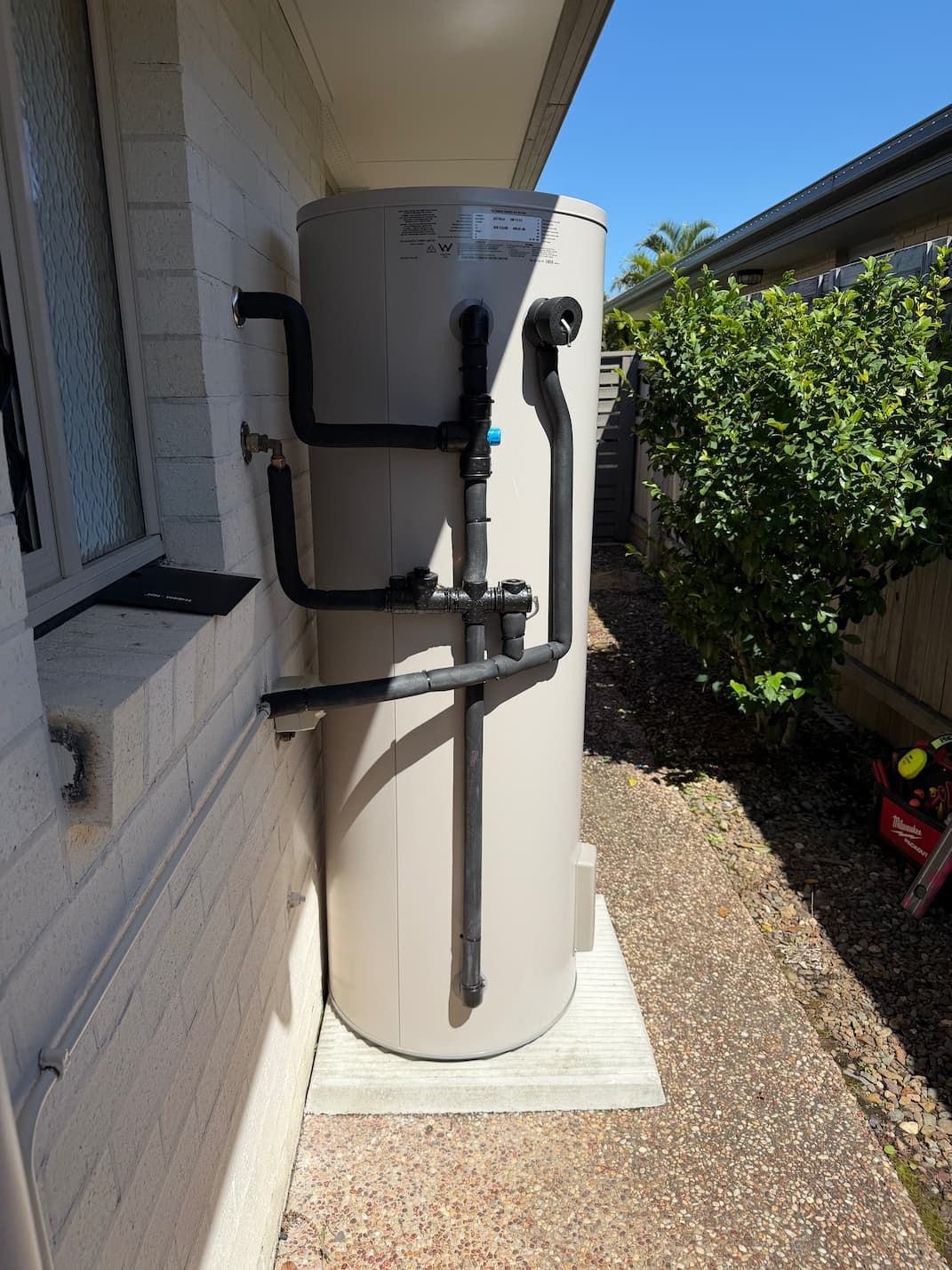
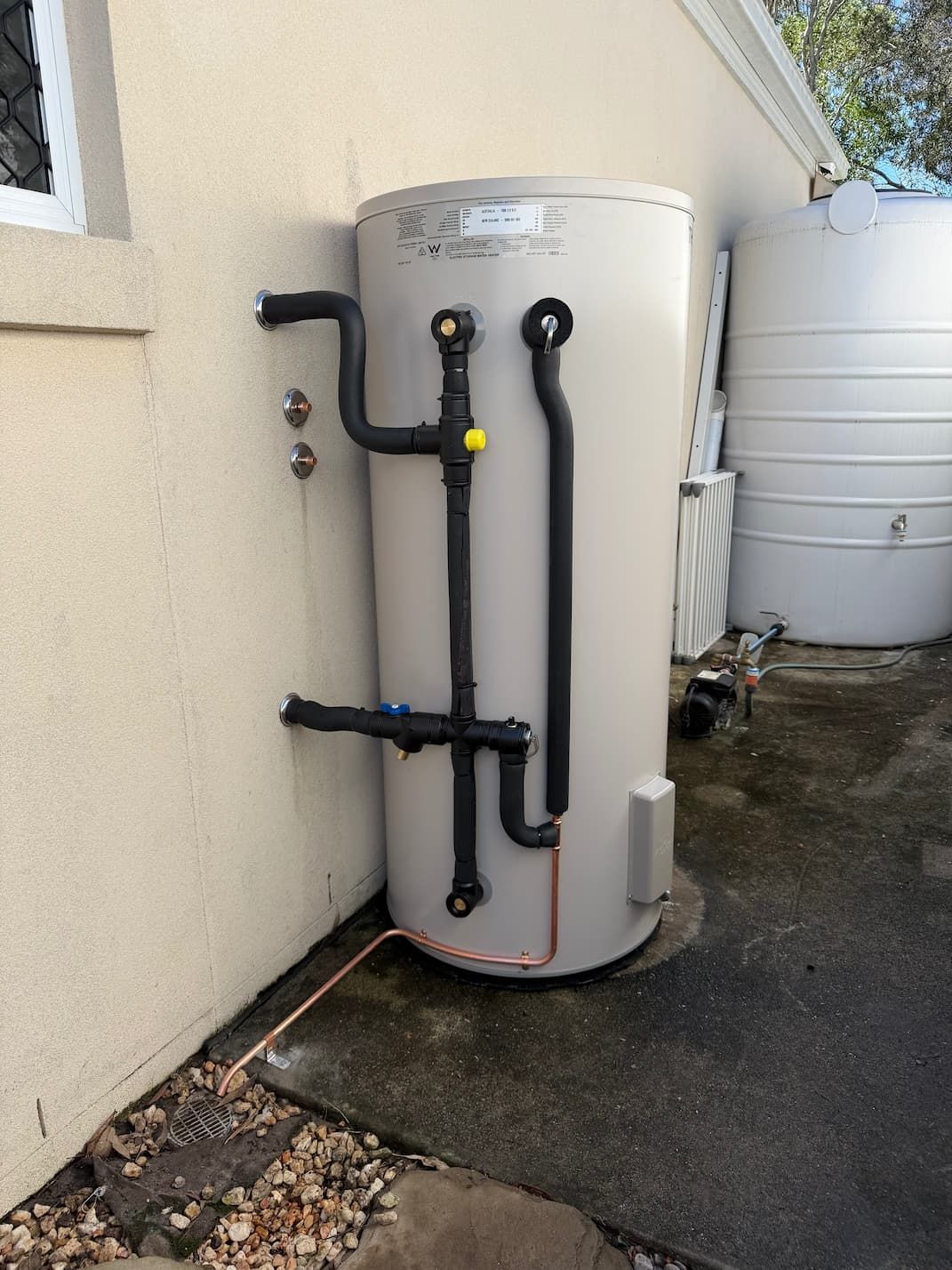
Water-efficient fixtures and fixed leaks reduce your usage charge directly. Hot water savings are a bonus too, since heating water for showers and washing is one of the biggest energy costs in an average home.
Environmental and Sustainability Benefits
Less water drawn from the grid eases pressure on dams and treatment plants, particularly valuable during dry periods when restrictions loom. Reduced hot water use also means a smaller energy footprint, since less power or gas is needed to heat it.
Increased Property Value and Appeal
Buyers and tenants increasingly ask about water tanks, efficient fixtures, and low ongoing utility costs. A property with WELS-rated fittings, a rainwater tank, and no history of leaks is simply more attractive on the market, and easier to insure with confidence.
Water-Efficient Fixtures and Fittings
The biggest, fastest wins usually come from swapping old fixtures for efficient ones, since you don't need to change any habits to see the savings.
Showerheads and Taps (WELS Ratings Explained)
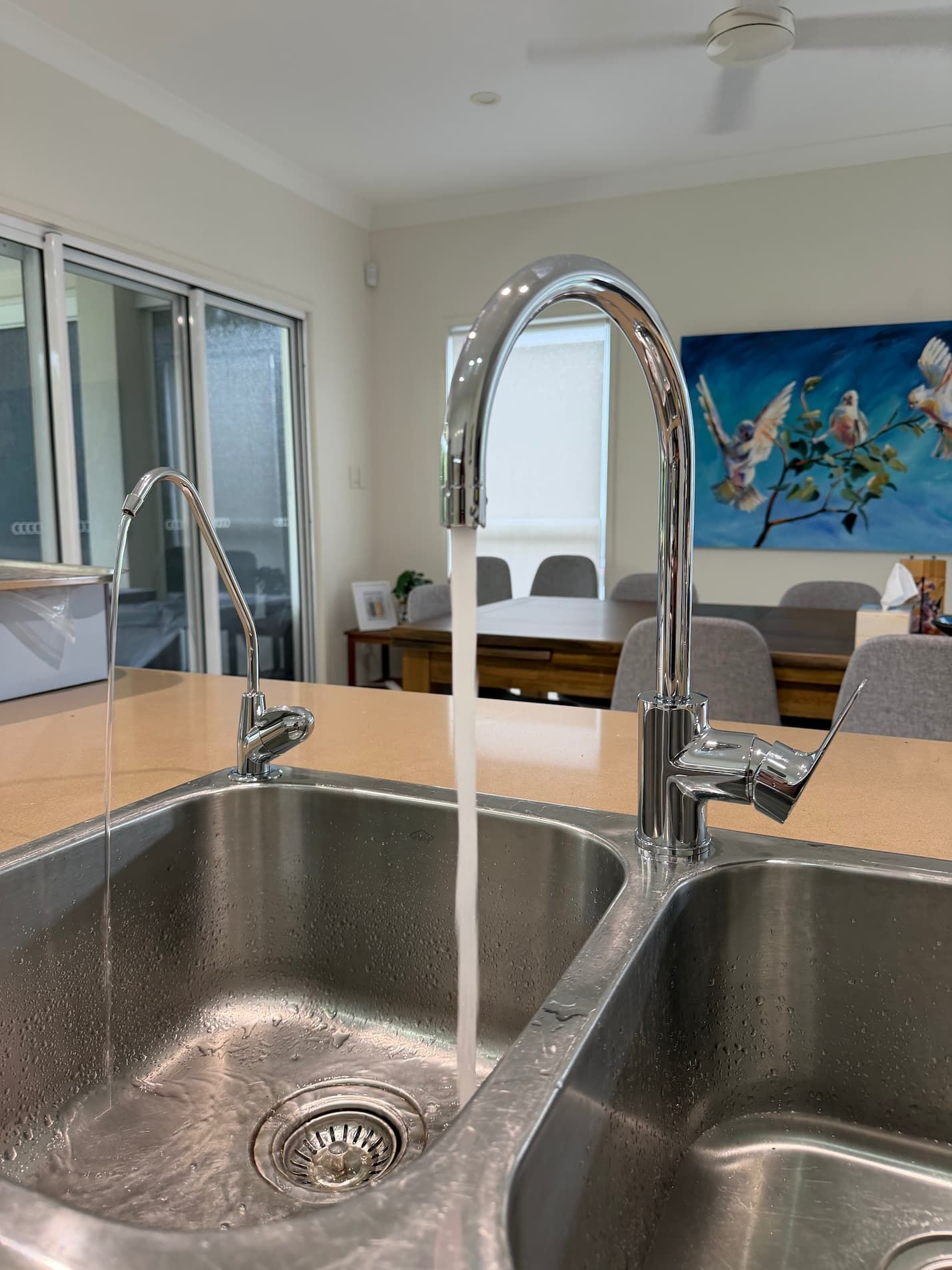
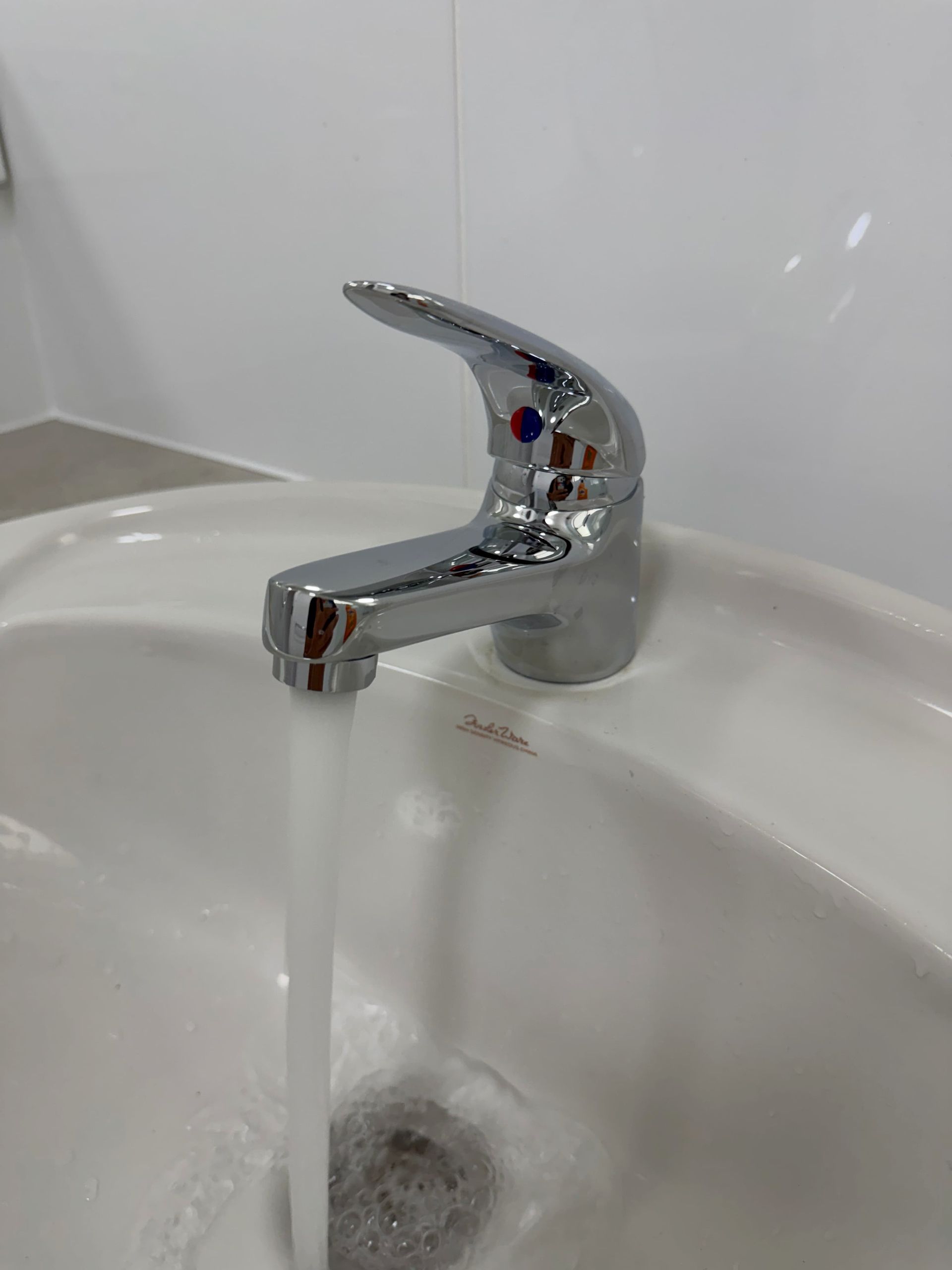
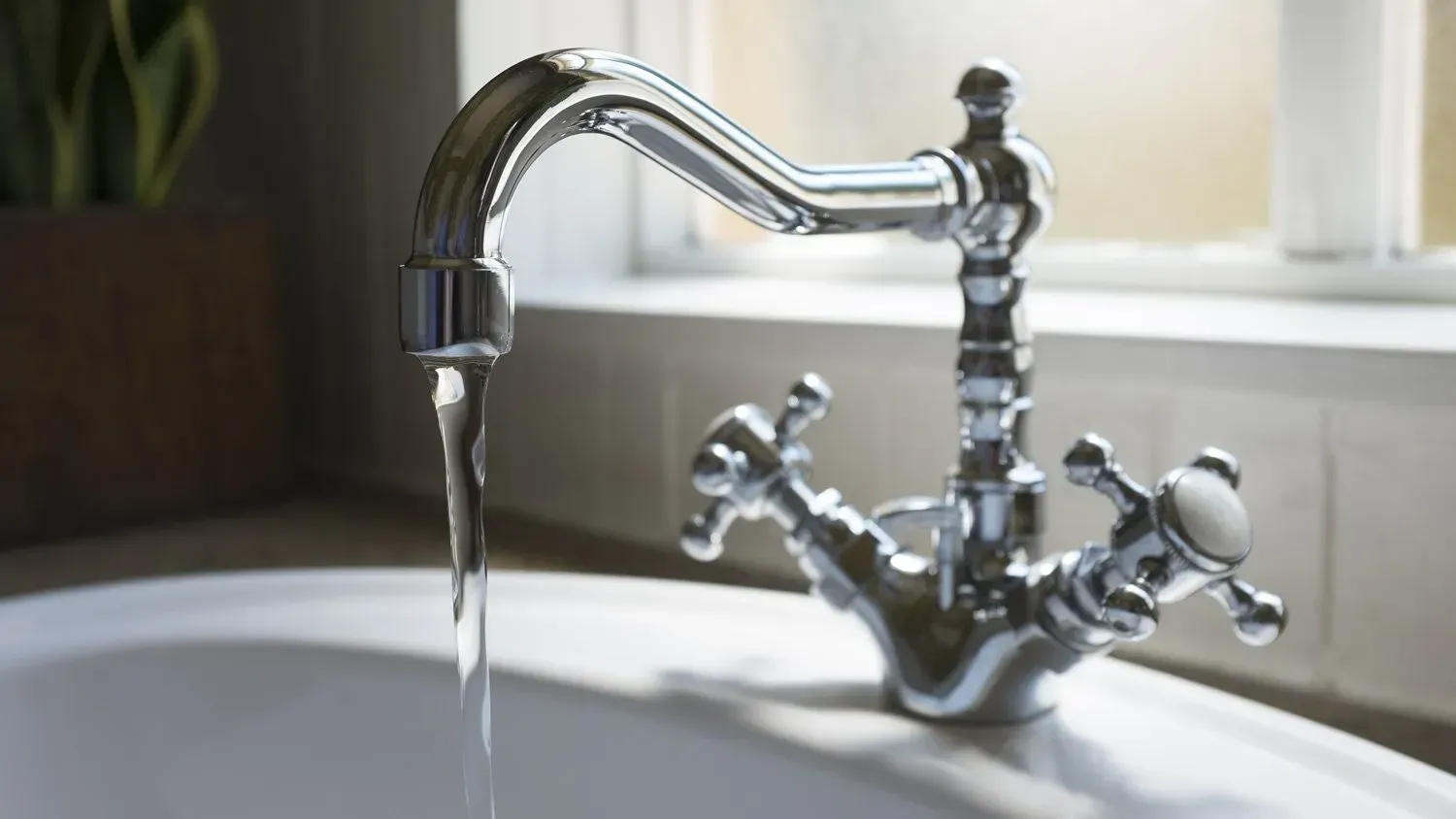
Every tap, showerhead, and toilet sold in Australia carries a WELS (Water Efficiency Labelling and Standards) rating, from zero to six stars. More stars means less water used per minute without a noticeable drop in pressure.
- A standard showerhead can use 15 to 25 litres per minute.
- A 3-star WELS showerhead typically uses around 7.5 to 9 litres per minute.
- Swapping just one showerhead can save a family thousands of litres a year.
If you want a deeper breakdown of what each star rating means for different fixtures, our guide to WELS ratings walks through it in more detail.
Dual-Flush and Efficient Toilets
Older single-flush toilets can use up to 12 litres per flush. Modern dual-flush models use as little as 4.5 litres on full flush and 3 litres on half flush, a saving that adds up fast in a household using the toilet multiple times a day.
Water-Efficient Washing Machines and Dishwashers
Front-loading washing machines generally use far less water than top-loaders, and WELS-rated dishwashers can use less water per cycle than washing the same load by hand. If you're renovating a kitchen or laundry, it's worth checking the WELS label alongside energy ratings before you buy. It's the kind of detail worth considering alongside other bathroom renovation ideas if you're planning a bigger overhaul.
Rainwater Harvesting and Greywater Systems
Capturing and reusing water you'd otherwise send down the drain is one of the most effective long-term efficiency strategies available to QLD homeowners.
Installing a Rainwater Tank in QLD (Rules and Considerations)
A well-sized rainwater tank can supply toilets, laundry, and garden irrigation, taking a significant chunk out of your mains usage. Considerations include:
- Tank size relative to roof catchment area and household demand
- Whether the tank will be plumbed into the house (requires a licensed plumber) or used for outdoor taps only
- Local council requirements for backflow prevention where tanks connect to the mains as a backup
- Available space and whether an above-ground or underground tank suits your block
Because plumbed-in tanks need correct backflow prevention and pipework to stay compliant and safe, it's worth arranging proper rainwater tank installation rather than attempting a DIY connection.
Greywater Recycling for Gardens and Outdoor Use
Greywater (from showers, baths, and laundry, but not kitchens or toilets) can be diverted for garden irrigation in Queensland, provided it's done safely. Untreated greywater should be used the same day it's generated and applied via subsurface irrigation or immediately below mulch, never sprayed or pooled on the surface.
Simple diversion devices are the easiest entry point; full treatment systems allow for more flexible reuse but come with higher upfront cost and ongoing maintenance.
Council Requirements and Plumbing Compliance
Rules vary by local council and by whether you're connecting a tank or greywater system to internal plumbing. As a general rule:
- Any system connected to your home's plumbing needs a licensed plumber and compliance certificate.
- Councils may require notification or approval for greywater diversion systems.
- Backflow prevention is mandatory wherever tank water and mains water could mix.
Checking with your local council before installation avoids costly rework later.
Outdoor and Garden Water Efficiency
Gardens are one of the biggest discretionary water users in a Queensland household, especially over summer.
Drought-Tolerant and Native Landscaping
Native and drought-tolerant plants are adapted to Queensland's climate swings and need far less supplementary watering once established. Grouping plants by water need (hydrozoning) also stops you overwatering low-need areas just to keep thirstier plants alive.
Efficient Irrigation and Watering Schedules
Drip irrigation delivers water directly to root zones with far less evaporation loss than sprinklers. Watering early morning or evening, rather than the heat of the day, further reduces water lost to evaporation. A simple tap timer also prevents the classic "forgot the sprinkler was on" waste.
Mulching and Soil Improvement Tips
A good layer of organic mulch (7 to 10cm) can cut soil moisture evaporation significantly, meaning less frequent watering. Improving soil structure with compost also helps it hold moisture longer, particularly in sandy Sunshine Coast soils that drain quickly.
Detecting and Fixing Water Waste
Hidden leaks are often the single biggest source of wasted water in a home, and most go unnoticed for months.
Common Signs of Leaks and Dripping Taps
Watch for:
- Unexplained spikes in your water bill
- Damp patches on walls, ceilings, or in the yard with no obvious cause
- The sound of running water when everything's turned off
- Mould or a musty smell in one particular area
- Reduced water pressure
Reading Your Water Meter to Spot Issues
A basic leak test: turn off every tap and appliance in the house, note the meter reading, then check it again after two hours without using any water. If the number has moved, you've got a leak somewhere in the system, even if you can't see it.
When to Call a Licensed Plumber
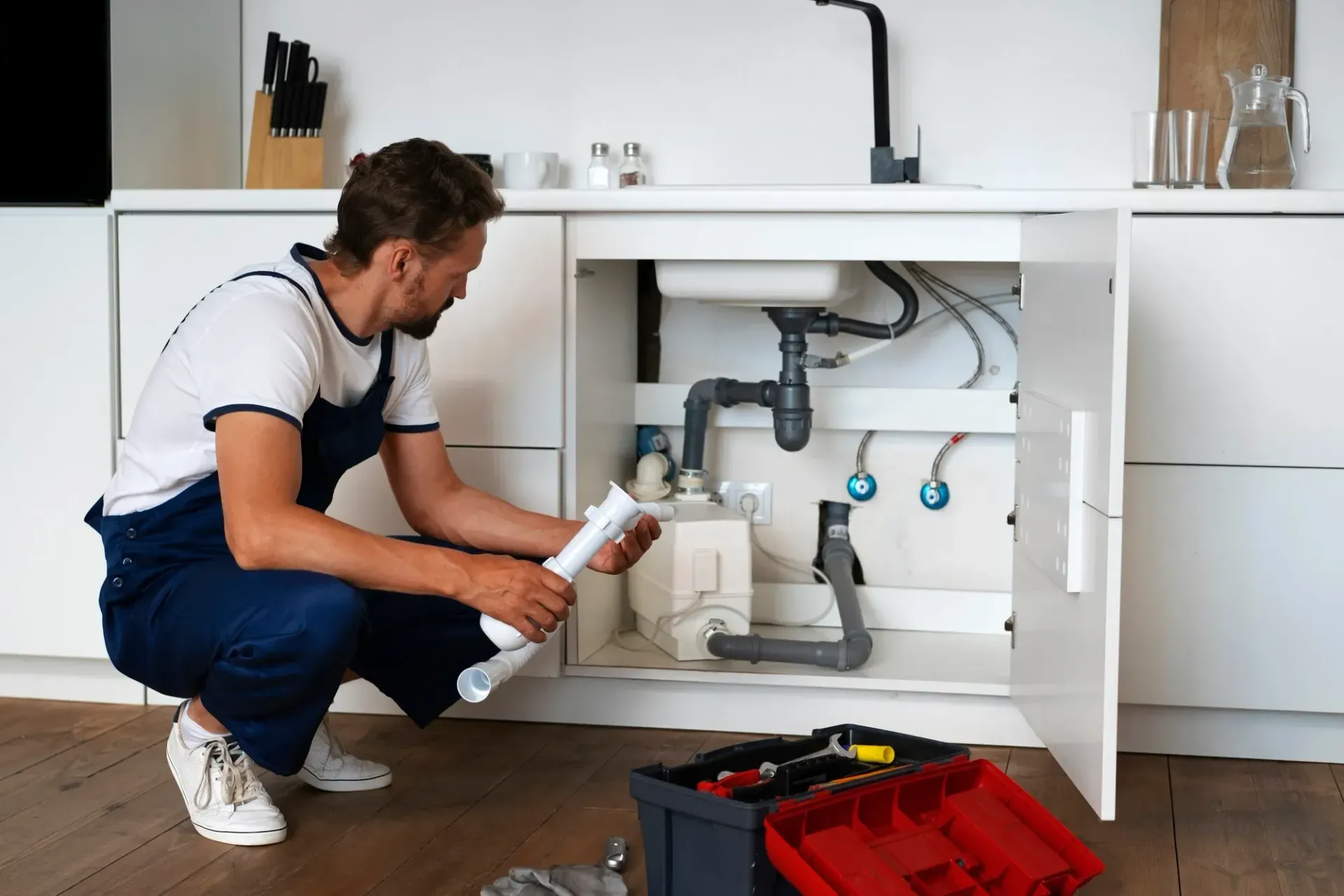
DIY is fine for swapping a showerhead or tightening a loose tap washer. But if your meter test shows a leak, your pressure has dropped, or you suspect a slab or underground leak, it's time to bring in a professional. Our leak detection services use proper equipment to find hidden leaks without tearing up your yard or walls unnecessarily, and every job comes with upfront pricing so there are no surprises.
QLD Rebates, Incentives and Regulations
Current Water Efficiency Rebates and Programs in Queensland
Rebate programs for rainwater tanks, greywater systems, and efficient fixtures do appear from time to time through the Queensland Government and individual councils, though availability and eligibility change regularly. Check your local council's website and the Queensland Government's water pages directly before budgeting for an upgrade, since programs can open, close, or change conditions with little notice.
Local Council Water Restrictions and Guidelines
Permanent water conservation measures apply across most of southeast Queensland even outside drought periods, covering things like hose use and irrigation times. Restrictions can tighten during dry spells, so it pays to check your specific council's current rules rather than assuming they're the same as last year.
Building Code and WELS Compliance Requirements
WELS labelling is a legal requirement for showerheads, taps, toilets, washing machines, and dishwashers sold in Australia. For new builds and major renovations, the Queensland Development Code also sets minimum requirements for water efficiency in fixtures and rainwater use, so it's worth checking compliance early in the planning stage rather than after fixtures are installed.
Everyday Habits to Reduce Water Usage
Fixtures and systems do the heavy lifting, but daily habits decide how much of that potential saving you actually bank.
Simple Behavioural Changes for Households
- Keep showers to four minutes or less
- Only run washing machines and dishwashers with a full load
- Turn taps off while brushing teeth or scrubbing dishes
- Fix dripping taps immediately rather than "getting to it later"
- Use a broom, not a hose, to clean paths and driveways
Water-Saving Tips for Renters and Tenants
You don't need to own the property to cut your water use:
- Ask your landlord about installing a low-flow showerhead (many are happy to, since it lowers shared costs)
- Use a bucket to catch shower warm-up water and reuse it on pot plants
- Report leaks and dripping taps to your property manager straight away, don't wait
- Use portable water-efficient attachments on taps that don't require permanent changes
How to Create a Water Efficiency Plan for Your Property
Conducting a Home Water Audit
Walk through your property room by room and note:
- The age and flow rate of every showerhead, tap, and toilet
- Any signs of leaks, damp, or dripping fixtures
- Your garden's watering method and frequency
- Whether you have (or could fit) a rainwater tank
- Your last three water bills, compared for trends
Prioritising Upgrades by Cost and Impact
Start with the cheapest, highest-impact fixes first: fixing leaks, swapping showerheads and tap aerators, and adjusting watering habits cost little and pay back fast. Bigger investments like rainwater tanks, greywater systems, or new appliances are worth planning once the easy wins are done, ideally scheduled alongside other renovation work to save on labour.
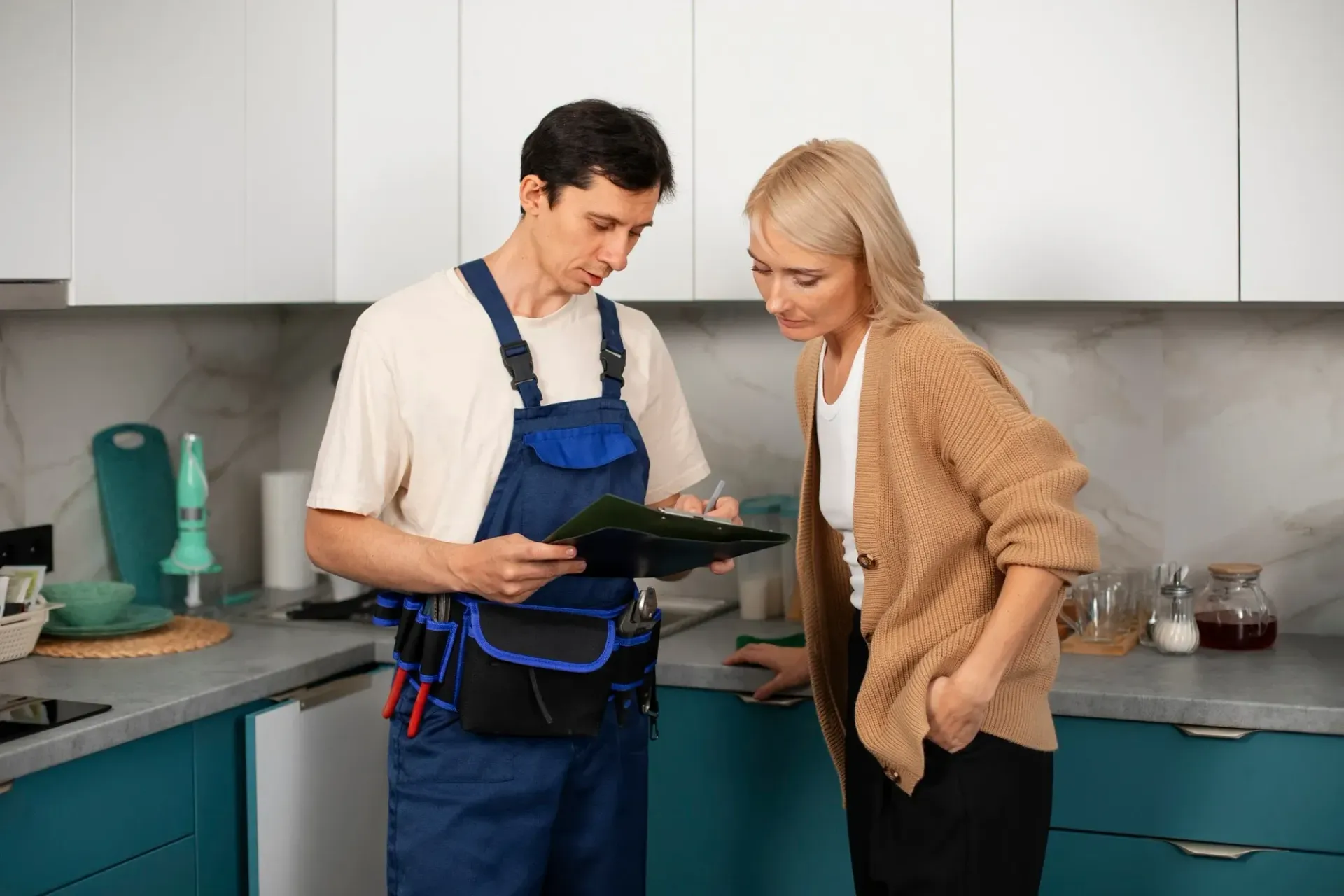
If you're not sure where your property stands, a chat with licensed plumbers on the Sunshine Coast can help you figure out which upgrades will make the biggest difference to your specific home.
Frequently Asked Questions
How much does it cost to get a water efficiency certificate in Queensland?
Costs of getting a water efficiency certificate vary depending on the provider and the property's size and fixtures, generally ranging from around $100 to $300. It's best to get a quote from a licensed provider in your area, as pricing isn't fixed statewide.
How to increase water efficiency?
Fix leaks promptly, install WELS-rated fixtures and appliances, capture rainwater where possible, and build simple daily habits like shorter showers and full appliance loads. Small changes across fixtures, systems, and behaviour compound into significant savings.
What is the average water bill for a 2-person household in Queensland?
This varies by council area, household habits, and whether the property has a garden or pool, so it's best to check your local council's current pricing schedule for an accurate figure. Comparing your own bills over time is more useful than a statewide average for spotting waste.
What runs up your water bill the most?
Hidden leaks, inefficient showerheads and toilets, and garden irrigation are usually the biggest contributors. Long showers and running washing machines or dishwashers with partial loads also add up more than most people realise.
Written by Justin from Celsius Plumbing
Meet Justin, the owner of Celsius Plumbing. With over 15 years of industry experience, Justin combines technical expertise with a commitment to clear communication and reliable service.