Hot Water Repair and Installation in the Sunshine Coast: A Guide for Home Owners
If your hot water system is leaking, making odd noises, or just not keeping up anymore, the short answer is this: small faults in systems under 8 years old are usually worth repairing, while older units or major tank failures are almost always cheaper to replace outright. The right call depends on the age of your unit, the type of system, and what's actually gone wrong. This guide walks Sunshine Coast homeowners through both scenarios so you can make a confident decision, whether you're booking an urgent repair or planning a full replacement. If you'd rather skip the guesswork, call Celsius Plumbing for a quote and we'll help you work out the best path forward for your system.
Signs Your Hot Water System Needs Repair or Replacement
The earlier you catch a problem, the more options you have. Most hot water failures give warning signs before they fail completely.
No hot water or inconsistent temperature
This is usually the first thing homeowners notice. It can point to a faulty heating element, thermostat, or (in gas systems) a problem with the pilot light or burner. In electric systems, it's sometimes as simple as a tripped circuit or safety switch.
Leaking tank or visible rust/corrosion
A leaking storage tank is rarely repairable. Once the internal tank has corroded through, the unit needs replacing. Rust around fittings or the base of the tank is an early warning sign worth acting on before it becomes a bigger mess.
Strange noises (banging, popping, rumbling)
These noises usually mean sediment has built up at the bottom of the tank, which is common in areas with harder water. It's often fixable with a flush, but if ignored for too long it accelerates wear on the tank itself.
Rising energy bills
A hot water system working harder than it should (due to sediment, a failing element, or age) can quietly push up your power or gas bill. If your usage hasn't changed but your bill has crept up, it's worth having the system checked.
Age of the unit and when to consider replacement
Most storage systems last around 8 to 12 years, though this varies by type and how well they've been maintained. If your system is in that range and starting to show problems, replacement is usually the more cost-effective path forward.
Common Hot Water System Problems on the Sunshine Coast
Impact of local water quality and climate on system lifespan
Local conditions do affect how long a system lasts. Mineral content in the water supply can contribute to sediment build-up in storage tanks over time, and coastal humidity can accelerate corrosion on external fittings and components. None of this means your system is doomed, but it does mean regular checks matter more here than they might inland.
Common faults in electric, gas, solar and heat pump systems
Each system type has its own typical failure points:
- Electric storage: heating elements and thermostats wear out over time
- Gas storage and continuous flow: pilot light issues, burner faults, or ignition failures
- Solar: circulation pump faults, or the booster element behaving like a standard electric fault
- Heat pump: fan or compressor issues, often linked to age or lack of servicing
When a repair is a quick fix vs. a sign of bigger issues
A single faulty part on a younger system is usually a straightforward repair. But if a plumber keeps finding new issues every time they visit, or the tank itself is corroding, that's a sign the system is nearing the end of its working life and repeated repairs will cost more than a replacement in the long run.
Types of Hot Water Systems Available
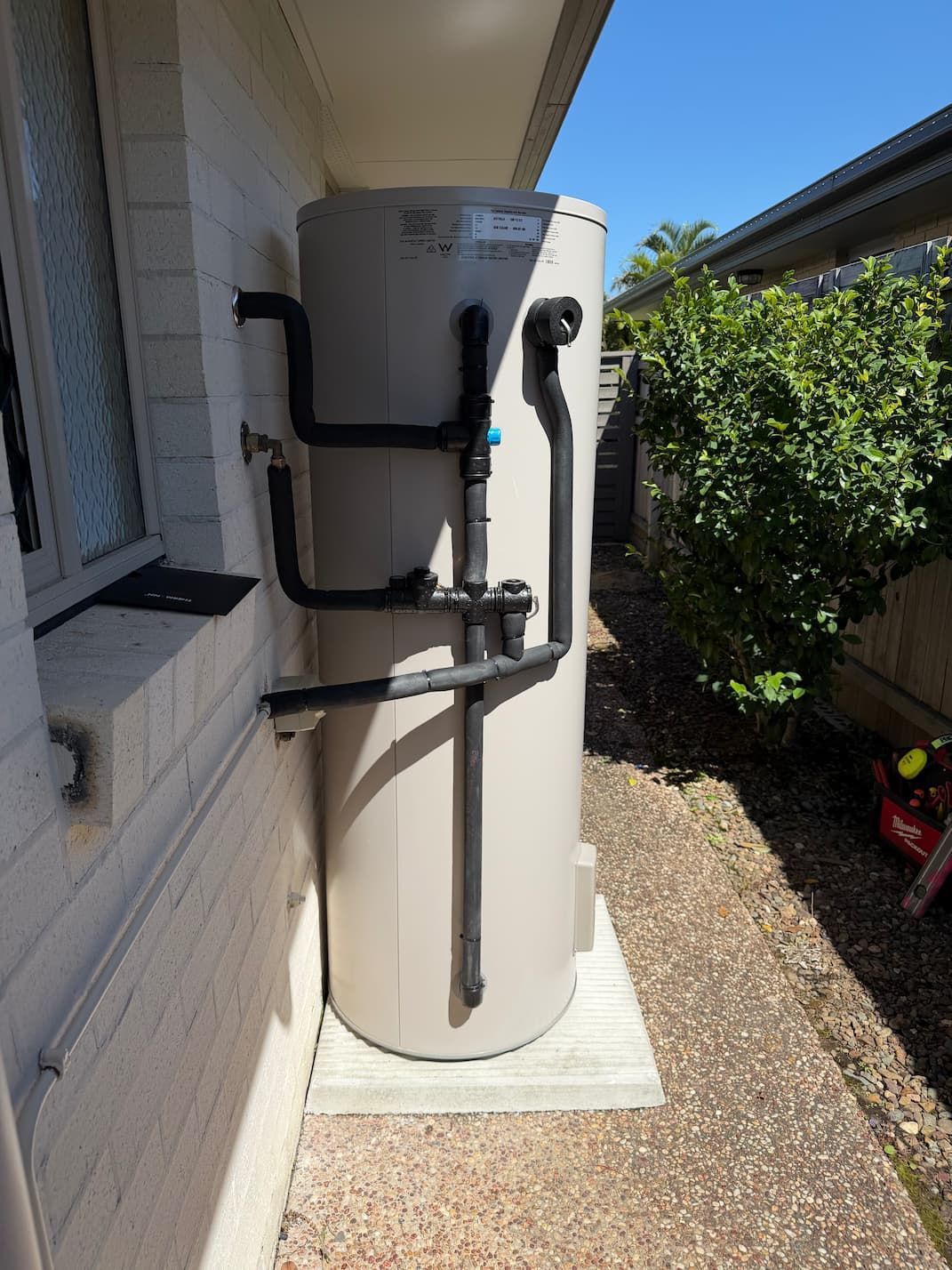
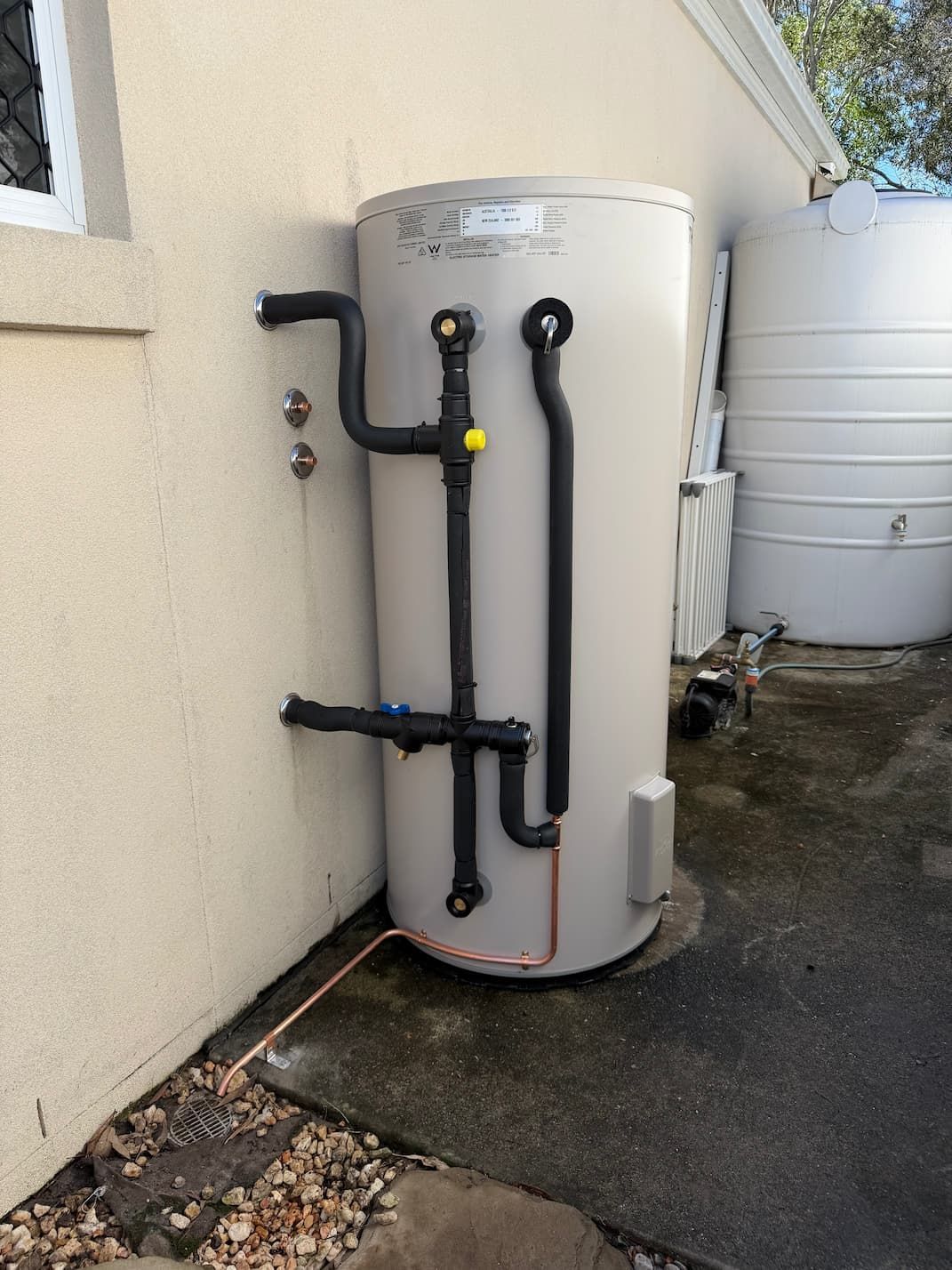
Electric storage hot water systems
Simple, reliable, and widely used. They're generally the cheapest to install but can be more expensive to run long-term compared to gas or heat pump options, depending on your electricity plan.
Gas hot water systems (storage and continuous flow)
Gas systems heat water faster and continuous flow units only heat water as it's needed, so you're not paying to keep a tank hot around the clock. They need a gas connection, which is worth factoring in if your home doesn't already have one.
Solar hot water systems
Solar systems use rooftop panels to heat water, with an electric or gas booster for cloudy days. Given the Sunshine Coast's climate, these systems can perform well here and significantly cut running costs over time. We've covered this in more detail in solar hot water systems explained, which compares how different brands and systems stack up.
Heat pump hot water systems
Heat pumps extract warmth from the surrounding air to heat water, using a fraction of the energy a standard electric system does. They're a strong option for homeowners wanting lower running costs without a full solar setup.
Which system suits Sunshine Coast homes and climate best
There's no single right answer, it depends on your household size, existing connections (gas vs electric), roof orientation for solar, and budget. A licensed plumber can assess your specific property and usage patterns rather than guessing from general rules of thumb.
Hot Water Repair vs. Replacement: How to Decide
Age and warranty considerations
Check your system's age and whether it's still under manufacturer warranty. A repair on a system still under warranty may cost you little to nothing. Outside of warranty, age becomes the key factor, repairing a system nearing the end of its expected lifespan rarely makes financial sense.
Cost of repair vs. cost of a new system
As a general rule, if a repair is going to cost close to half (or more) of what a new system would cost installed, replacement is usually the smarter long-term move. A good plumber will give you both figures upfront so you're not deciding blind.
Energy efficiency and long-term savings
Older systems are typically far less efficient than current models. Even if a repair is the cheaper option today, an ageing, inefficient system will keep costing you more on power or gas bills than a newer, better-rated unit would.
Cost of Hot Water Repair and Installation on the Sunshine Coast
Costs vary depending on the system type, the extent of the fault, and your property's access and existing plumbing setup. For a detailed breakdown of installation pricing by system type, see our dedicated guide on how much it costs to install a new hot water system.
Typical repair cost ranges
Repair costs depend heavily on the part that's failed and the system type. A faulty thermostat or element is a relatively minor job, while a full tank replacement due to corrosion is effectively a new installation. Your plumber should always confirm a quote before starting work, especially with Celsius Plumbing's upfront, no-surprises pricing.
Typical installation cost ranges by system type
Installation costs differ between electric, gas, solar and heat pump systems, largely due to the equipment itself and the complexity of installation (such as running new gas lines or mounting solar panels). Our hot water installation cost guide linked above breaks these down system by system so you can compare realistically before you book a quote.
Factors that affect pricing (access, system size, rebates)
A few things that move the price up or down:
- Ease of access to the existing unit or installation site
- Tank size and household hot water demand
- Whether new pipework, gas lines, or electrical upgrades are needed
- Any applicable rebates that offset the cost of eligible systems
Rebates and Incentives for Hot Water Systems in Queensland
Government and energy efficiency rebates
Rebates and incentive schemes for energy-efficient hot water systems (such as solar and heat pump units) do change from time to time at both state and federal level. Because eligibility criteria and amounts are updated periodically, it's worth asking your plumber what's currently available when you get a quote, rather than relying on last year's figures.
How solar and heat pump systems can reduce running costs
Beyond any upfront rebate, solar and heat pump systems generally cost less to run day to day than standard electric storage systems, since they rely less on grid electricity to do the heavy lifting. Over the life of the system, that difference adds up, even if the initial installation cost is higher.
Choosing a Licensed Hot Water Plumber on the Sunshine Coast
Licensing, insurance and compliance checks
Hot water installation and gas fitting work legally needs to be done by a licensed plumber and gasfitter. Before booking, confirm the business holds the right licences, carries insurance, and that any gas work will be compliant with Queensland regulations. It's a simple check that protects you if anything goes wrong down the track.
Questions to ask before booking a quote
A few good questions to ask any plumber before you commit:
- Are you licensed for both plumbing and gas fitting work?
- Is the quote fixed, or could the price change once you start the job?
- What warranty applies to the parts and the labour?
- Can you provide a same-day or emergency callout if needed?
Red flags to avoid
Be wary of vague quotes, pressure to decide on the spot, or tradespeople who can't confirm their licence details when asked. A reputable local plumber will be upfront about pricing and happy to answer questions before you book. For a deeper look at vetting tradespeople for any plumbing job, read our guide to choosing a licensed local plumber in our pre-purchase plumbing inspection checklist, which covers what to look for from a qualified professional.
DIY Troubleshooting vs. When to Call a Professional
Safe checks homeowners can do themselves
A few things you can safely check before calling a plumber:
- Confirm the power or gas supply to the unit hasn't been switched off
- Check your switchboard for a tripped circuit or safety switch
- Look for visible leaks or pooling water around the base of the tank
- Check the pressure relief valve isn't stuck or constantly discharging
Jobs that legally require a licensed plumber/gasfitter
Anything involving gas connections, replacing or repairing the tank itself, electrical element work, or full system installation legally has to be done by a licensed plumber or gasfitter in Queensland. Attempting these yourself isn't just risky, it can also void warranties and insurance cover. If you're dealing with anything beyond a basic check, it's time to call in a professional, or if things have gone seriously wrong, our emergency plumbing services on the Sunshine Coast team is available 24/7.
How to Maintain Your Hot Water System for a Longer Lifespan
Routine maintenance tips
A bit of regular upkeep goes a long way:
- Flush the tank periodically to clear sediment build-up
- Test the pressure relief valve to make sure it's operating correctly
- Check the anode rod (in storage systems) and replace it when worn
- Keep the area around the unit clear for ventilation and access
Recommended servicing schedule
Most manufacturers recommend an annual service check, with closer attention as the system approaches 8 to 10 years old. Regular servicing is also one of the best ways to catch small issues before they turn into a full system failure. If you're also looking at broader water efficiency around the home, our guide to maximising water efficiency in your QLD property covers practical steps beyond just hot water.
Ready to Sort Your Hot Water?
Whether you've got a system on its last legs or you're planning ahead for a replacement, it pays to get a proper assessment rather than guessing. Browse our full range of hot water systems to compare your options, or if you need help right now, book a hot water repair today with a licensed local plumber who'll give you straight, upfront pricing before any work begins.
Written by Justin from Celsius Plumbing
Meet Justin, the owner of Celsius Plumbing. With over 15 years of industry experience, Justin combines technical expertise with a commitment to clear communication and reliable service.