Average Water Bill Sunshine Coast: Costs & Charges Explained
Your Sunshine Coast water bill is issued by Unitywater, not the Sunshine Coast Council, and it's made up of a fixed access charge plus what you actually use. If a bill has landed in your inbox or letterbox and left you with questions, here's the short version: know who sends it, know how the charges are worked out, and you can usually spot (and fix) the reason it's higher than expected.
This guide walks through payment options, what each line on the bill actually means, what happens if you fall behind, and practical ways to bring your usage (and your bill) down.
Who Supplies Water and Issues Bills on the Sunshine Coast?
Unitywater is the business that supplies drinking water, collects wastewater and sends out the bill for most Sunshine Coast properties. The Sunshine Coast Council doesn't bill you directly for water, though council rates and water charges can sometimes appear in the same conversation because they're both property-related costs.
Unitywater's role vs Sunshine Coast Council's role
Unitywater owns and operates the pipes, treatment plants and meters, and sets the pricing structure for access and usage charges. Council is responsible for other local services and infrastructure, but water supply and sewerage billing sits with Unitywater. If you're ever unsure which organisation to contact, water and sewerage queries go to Unitywater; general rates queries go to council.
Areas covered by Unitywater
Unitywater services a broad footprint across the Sunshine Coast, Moreton Bay and Noosa regions. If you're a homeowner or renter anywhere in this area, your water account, meter readings and billing will come through Unitywater's system rather than a separate local provider.
How to Pay Your Sunshine Coast Water Bill
You've got several ways to pay, and most people set up an automatic method so it's one less thing to remember each quarter.
Pay online via Unitywater's customer portal
Unitywater's online portal lets you view your current bill, check past usage, update your details and make a payment using a card. It's the fastest way to see exactly what you're being charged for and to track consumption between bills.
BPAY, direct debit and automatic payments
Every bill includes a BPAY reference number, so you can pay through your bank's app or internet banking. Alternatively, direct debit can be set up so the amount is taken automatically from your nominated account on the due date, which is a handy way to avoid late fees if you tend to forget bills.
Pay in person or by phone
If you prefer to pay in person, Australia Post outlets (Post Billpay) typically accept water bill payments, and you can also pay by phone using the automated payment line listed on your bill. Keep your customer reference number handy for either option.
Centrepay and other assisted payment options
If you receive eligible Centrelink payments, Centrepay lets you deduct regular amounts automatically toward your water account, which can make quarterly bills easier to manage in smaller chunks rather than one lump sum.
Understanding the Charges on Your Bill
Two main components make up almost every water bill: a fixed access charge and a variable usage charge.
Access (fixed) charges explained
The access charge is a set fee you pay regardless of how much water you use. It covers the cost of maintaining the pipes, meters and network that deliver water to your property and take wastewater away. This charge stays the same whether you use a little or a lot of water in that billing period.
Consumption (usage) charges and how they're calculated
The usage charge is based on how many kilolitres of water pass through your meter during the billing period. This is the part of your bill that moves up or down depending on your household's actual consumption, which is why two similar homes can have quite different bills.
Bulk water and wastewater charges
Alongside water supply, most residential bills also include a wastewater (sewerage) charge, which covers the cost of collecting and treating what goes down your drains. Bulk water charges relate to the cost of sourcing and treating water before it reaches your property, and these are factored into the overall pricing rather than appearing as a separate line for most households.
How often bills are issued (quarterly billing cycle)
Water bills are typically issued every quarter (every three months), based on an actual or estimated meter reading. Keep an eye on your due date each cycle, since missing it by even a few days can trigger a reminder notice.
Due Dates and What Happens If You Miss a Payment
Bills come with a clear due date, generally a few weeks after the issue date, giving you time to arrange payment.
Standard payment terms
Check the due date printed on your bill rather than assuming it matches the previous quarter, since issue dates can shift slightly.
Late fees and restriction risks
Missing the due date can result in a reminder notice, and continued non-payment can eventually lead to further action, including the risk of water restriction in serious, prolonged cases. It's always better to get in touch with Unitywater before this happens rather than after.
Setting up a payment plan or hardship arrangement
If you know you won't make the due date, contact Unitywater as early as possible. Payment plans let you spread the cost over manageable instalments, and getting in early almost always leads to a better outcome than waiting until the account is overdue.
Concessions, Rebates and Financial Assistance
Pensioner and concession card discounts
Eligible pensioners and concession card holders may be able to claim a discount on their water bill. Eligibility and the application process are handled through Unitywater, so it's worth checking your card type against their current concession criteria if you haven't already registered one.
Hardship programs and community support options
Unitywater runs hardship support options for customers doing it tough, including flexible payment arrangements. If water bills are one of several bills piling up, it's also worth looking into broader financial hardship support services available locally.
Why Is My Water Bill So High? Common Causes and Fixes
A sudden spike in your bill is usually explained by one of a few common culprits, and most are fixable once you know where to look.
Checking for leaks
A running toilet, dripping tap or underground pipe leak can quietly add a huge amount to your usage without any obvious sign inside the house. If your bill has jumped and you can't explain why, a leak is the first thing worth ruling out, and a licensed plumber can carry out proper leak detection to pinpoint the source quickly.
Seasonal usage changes
Warmer months on the Sunshine Coast often bring higher water use, from garden watering to extra showers and pool top-ups. A bill that's higher over summer than winter isn't necessarily a fault, it may just reflect normal seasonal habits.
Requesting a leak allowance or bill review
If you've found and fixed a genuine leak, you may be eligible for a leak allowance, which can reduce the bill to account for water lost through no fault of your everyday habits. You'll generally need proof of the repair, so keep any invoice from the plumber who fixed it.
How to Dispute or Query a Water Bill
Steps to raise a dispute with Unitywater
If a bill looks wrong, contact Unitywater directly to query the reading or charge. They can check your meter history, confirm whether an estimate was used instead of an actual reading, and explain any charge you don't understand.
What evidence or information you'll need
Having your account number, recent bills for comparison, and (if relevant) a plumber's report confirming a leak was found and repaired will help speed up the review. The more documentation you can provide upfront, the faster a dispute tends to be resolved.
Tips to Reduce Your Water Bill on the Sunshine Coast
Water-saving habits and fixtures
Small changes add up over a quarter: shorter showers, full loads in the washing machine and dishwasher, fixing dripping taps promptly, and choosing water-efficient fixtures when replacing old tapware or showerheads. For a deeper look at practical changes that make a real difference, see our guide on maximising water efficiency in your QLD property.
Monitoring usage via the online portal or app
Checking your usage through Unitywater's online portal between bills helps you catch unusual spikes early, rather than being surprised by them every three months. If you're new to reading your meter and want a clearer picture of your household's daily consumption, understanding how to read your water meter is a useful first step.
If you suspect a leak, notice low pressure, or want to get ahead of a high bill before your next one arrives, Celsius Plumbing offers licensed leak detection and plumbing inspections across the Sunshine Coast, with upfront pricing and $0 call-out fees so you know exactly what to expect before any work begins.
Frequently Asked Questions
How much is the water bill per month in QLD?
This depends on your water retailer, household size and usage habits, as charges vary across Queensland regions and are billed quarterly rather than monthly. Check your specific retailer's current pricing schedule, such as Unitywater's for the Sunshine Coast, for exact figures.
How do I check my water bill?
You can check your current and past water bills through your retailer's online customer portal, such as Unitywater's portal for Sunshine Coast properties, where you can also view your usage history and payment status.
How much should a water bill be for a 2 person household?
There's no single figure, since it depends on household habits, garden watering, appliance efficiency and the specific access and usage rates charged by your water provider. Comparing your own quarterly bills over time is a more useful guide than a general benchmark.
What is the average water bill for a 2-person household in Perth?
Water charges in Perth are set by a different provider under Western Australia's pricing structure, so Sunshine Coast figures from Unitywater don't apply there. For an accurate figure, check directly with Perth's water retailer for their current rates.
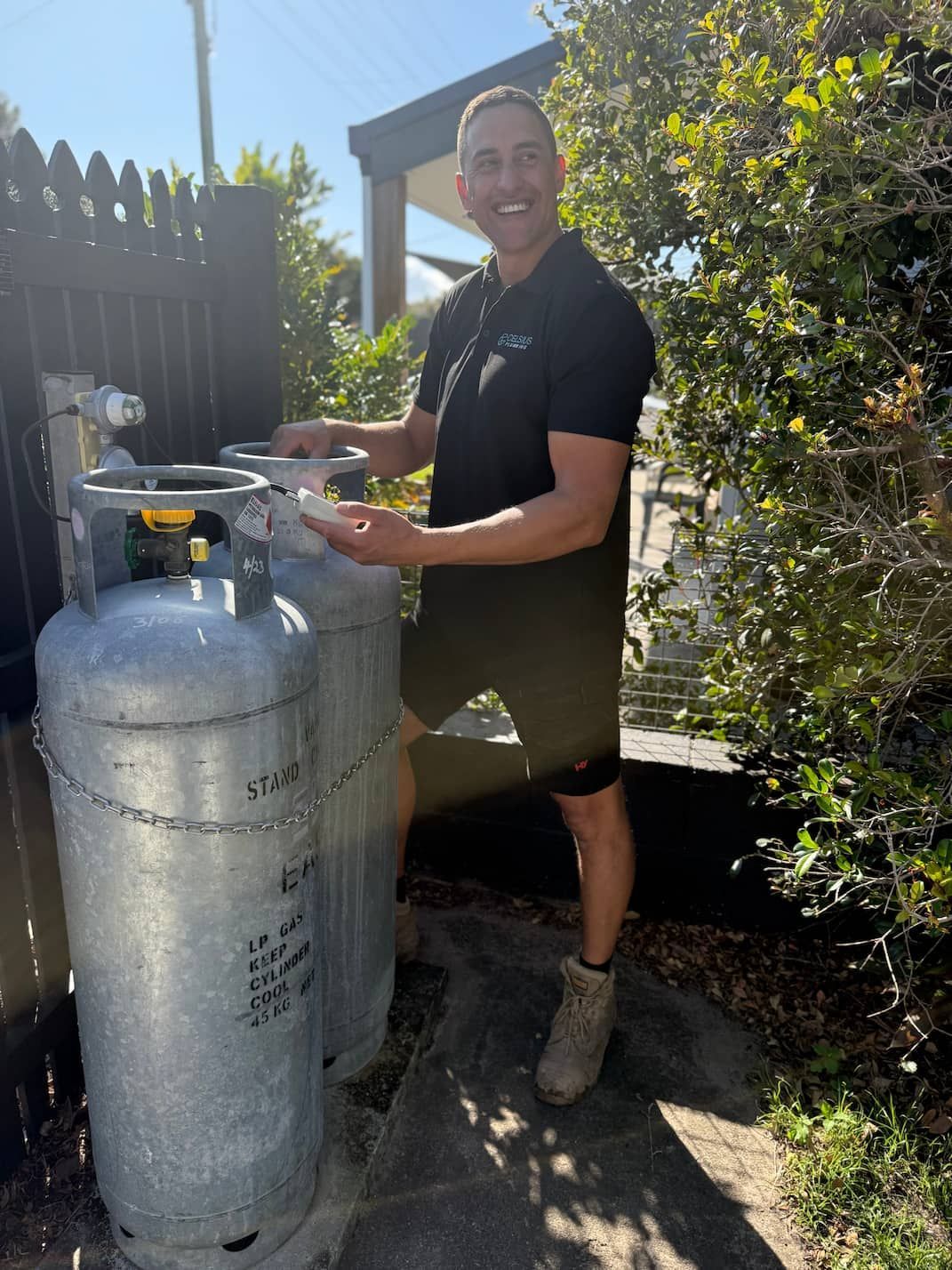
Written by Justin from Celsius Plumbing
Meet Justin, the owner of Celsius Plumbing. With over 15 years of industry experience, Justin combines technical expertise with a commitment to clear communication and reliable service.