Sunshine Coast Water Quality Guide: A Suburb-Level Breakdown
Sunshine Coast tap water is treated to meet the Australian Drinking Water Guidelines and is safe to drink across the region, but what it tastes like, how hard it is, and how noticeable the chlorine is can differ quite a bit depending on which suburb you live in. If you've ever wondered why your kettle furs up faster than your mate's across town in Maleny, or why your water smells slightly different after heavy rain, the answer usually comes down to where your supply is sourced and how it's treated before it reaches your tap.
This guide breaks down where Sunshine Coast water actually comes from, what's in it, how it varies suburb by suburb, and what you can do at home if you want it tasting better or working harder for your pipes and appliances.
What Determines Water Quality on the Sunshine Coast
Water quality on the Sunshine Coast comes down to three things: the source, the treatment process, and the distance it travels through the network before it reaches your home. Suburbs closer to treatment plants or on more direct supply lines often notice fewer taste and odour issues than those at the end of longer pipe runs.
Where Sunshine Coast tap water comes from
The region draws on a mix of dams, weirs and underground catchments, with water moved around the wider South East Queensland grid depending on demand and seasonal supply levels. Because the Sunshine Coast is part of this interconnected system, the exact source feeding your tap can shift over time, which is one reason taste can vary from year to year even in the same suburb.
Who manages and treats the water supply
Local water and sewerage services for the Sunshine Coast are managed by the regional water authority, which is responsible for treating raw water to drinking standard, maintaining the distribution network, and monitoring quality across the region. They're also your first point of contact if you ever have a concern about discolouration, taste, or pressure that isn't related to your own plumbing.
How treatment and testing standards are regulated in Queensland
Queensland's drinking water providers operate under state health regulations that require regular testing against the Australian Drinking Water Guidelines. These guidelines set safe limits for everything from microbial content to chemical and aesthetic parameters like taste, odour and colour. Treatment plants typically use a combination of filtration, disinfection (usually chlorination) and pH correction before water enters the network.
Is Sunshine Coast Tap Water Safe to Drink?
Yes, Sunshine Coast tap water is treated and monitored to comply with the Australian Drinking Water Guidelines, which means it's considered safe to drink straight from the tap in all serviced suburbs. Compliance doesn't mean every glass tastes the same, though, and there's a real difference between "safe" and "tastes great."
Overview of compliance with the Australian Drinking Water Guidelines
Water providers publish regular compliance data showing how treated water measures up against guideline limits for things like bacteria, chemical residues and physical characteristics. The guidelines are designed with large safety margins, so even when a reading sits below the ideal, it's still typically well within the safe range.
Common substances found in treated water
Most Sunshine Coast tap water will contain some combination of:
- Chlorine or chloramine, used as a disinfectant to control bacteria in the network
- Fluoride, added in line with Queensland's public health fluoridation program
- Dissolved minerals, including calcium and magnesium, which contribute to water hardness
- Trace sediment, particularly after mains work or heavy rainfall events
None of these are cause for concern at the levels used in treatment, but they do explain most of the taste, smell and hardness differences people notice around the region.
What recent water quality reports show
Annual water quality reporting generally shows Sunshine Coast suppliers achieving high compliance rates against the national guidelines, with the overwhelming majority of tests meeting safety benchmarks. For the specific figures relevant to your address, your local water authority's published annual report is the most accurate and current source, since treatment and compliance data is updated regularly.
Sunshine Coast Water Quality by Suburb
Water quality doesn't change dramatically from street to street, but there are consistent patterns across coastal, hinterland, northern, southern and central areas worth knowing before you decide whether filtration is worth it for your home.
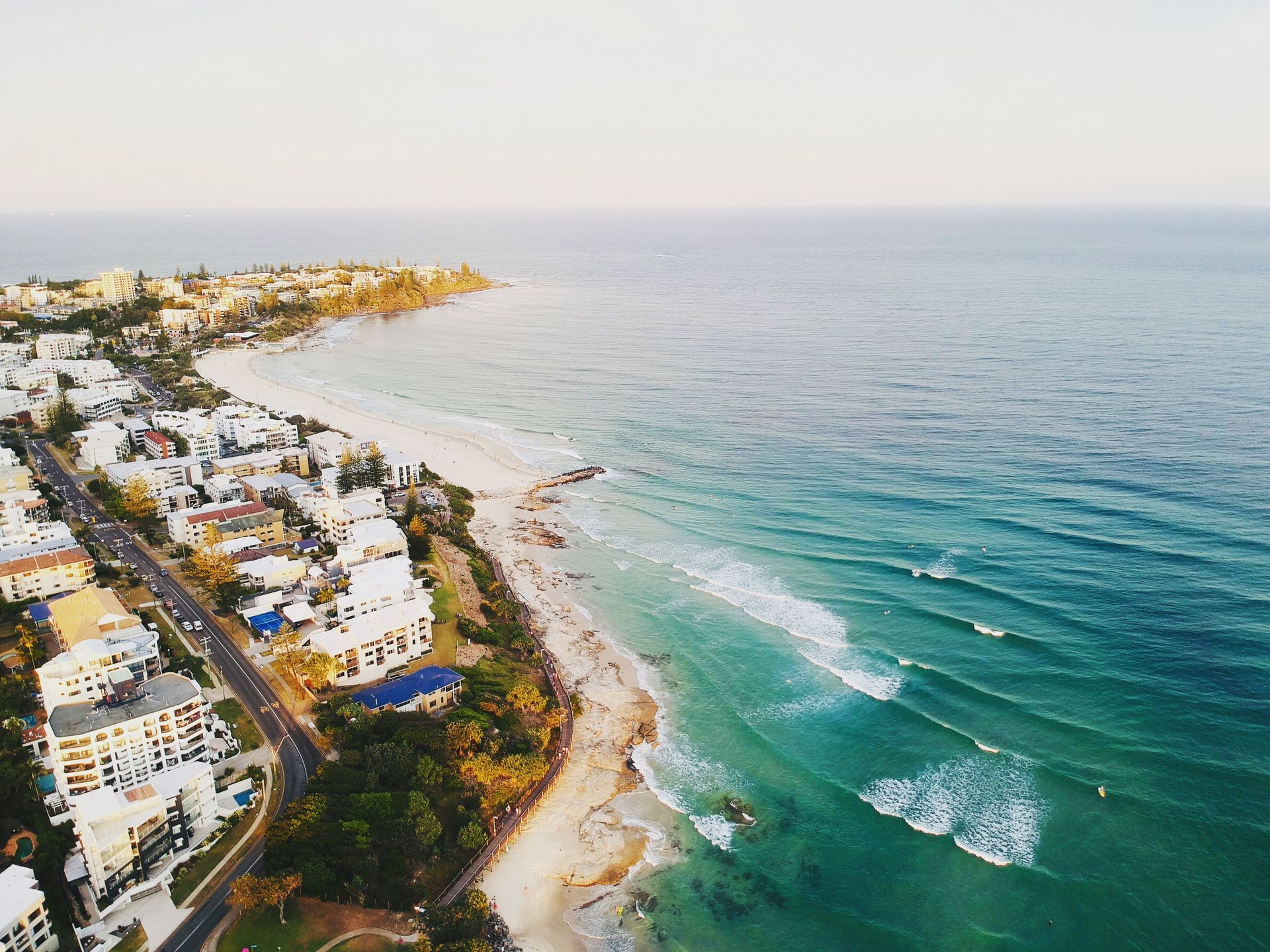
Coastal suburbs: Mooloolaba, Caloundra, Noosa Heads
Coastal suburbs tend to sit closer to major treatment infrastructure and distribution hubs, which often means fresher-tasting water with less time sitting in the pipe network. Residents here more commonly report mild chlorine taste immediately after treatment adjustments rather than ongoing hardness complaints.
Hinterland suburbs: Maleny, Montville, Mapleton
Hinterland areas are more likely to draw on a different mix of catchment sources and can experience greater mineral content, which shows up as harder water. Residents in these elevated areas sometimes notice scale build-up on kettles, shower screens and hot water systems more quickly than those closer to the coast.
Northern suburbs: Noosaville, Tewantin, Cooroy
The northern corridor sits on its own section of the network and generally reports stable water quality, though taste can shift slightly during peak seasonal demand over summer when more water is drawn through the system. Odour complaints in this area are more often linked to localised algal bloom events than to the treatment process itself.
Southern suburbs: Beerwah, Landsborough, Caloundra South
Southern and growth-corridor suburbs, many of which are newer developments, tend to have more recently installed pipework, which can mean fewer discolouration issues from ageing infrastructure. That said, new estates occasionally report short-term discolouration during mains extension work as the network beds in.
Central and urban suburbs: Maroochydore, Buderim, Sippy Downs
Central suburbs typically sit on well-established, high-capacity mains, which usually means consistent pressure and quality. Buderim's elevated position means some residents notice slightly different mineral taste compared to flatter surrounding suburbs, though it remains within normal guideline ranges.
Notable differences in hardness, taste or chlorine levels between areas
As a general rule:
- Hardness tends to be more noticeable in elevated hinterland suburbs
- Chlorine taste is most noticeable closer to treatment plants or right after disinfection adjustments
- Discolouration is usually linked to specific events (mains work, heavy rain) rather than being suburb-wide or constant
- Odour issues are more often seasonal than geographic
If you're moving to a new suburb and want a precise read on your specific street, your local water authority's suburb-level reporting (where available) or a simple at-home test will tell you more than general trends can.
Common Water Quality Issues Reported on the Sunshine Coast
Most water quality complaints on the Sunshine Coast fall into four categories: hardness, chlorine taste, discolouration, and seasonal taste or odour events. None of these typically indicate unsafe water, but they're the main reasons people start looking into filtration.
Hard water and scale build-up
Hard water contains higher levels of dissolved calcium and magnesium. Over time, it leaves scale deposits on taps, shower screens, kettles and inside hot water systems, which can reduce efficiency and shorten appliance lifespan. If you're noticing white, chalky build-up around your fittings, hardness is almost always the cause.
Chlorine taste and odour
Chlorine is essential for keeping the water supply microbiologically safe, but it's also the most commonly reported taste complaint. It's usually more noticeable straight from the cold tap and tends to dissipate if water is left to stand or is chilled.
Discoloured or cloudy water after rain or mains work
Brown, yellow or cloudy water is almost always linked to sediment being disturbed, either by heavy rainfall affecting raw water catchments or by nearby mains repairs and maintenance stirring up deposits in the pipe network. It usually clears within a short period once the network stabilises, but persistent discolouration is worth reporting.
Algal blooms and seasonal taste/odour events
Warmer months can trigger algal activity in open catchments and storages, which sometimes produces an earthy or musty taste and smell in treated water, even though it remains safe to drink. These events are typically seasonal and are usually flagged by water authorities when they occur.
How to Check Water Quality in Your Suburb
The most reliable way to understand your water is to check your local authority's published reporting and, if you want certainty for your own property, test your tap water directly.
Reading your local water authority's water quality reports
Sunshine Coast water providers publish regular water quality reports covering compliance with the Australian Drinking Water Guidelines. These reports are the best source for region-wide compliance data, and some providers offer suburb-specific updates during active events like mains work or bloom-related taste changes.
How to test your own tap water
If you want to know exactly what's coming out of your own tap rather than relying on area-wide averages, testing your tap water at home can give you a clearer picture of hardness, pH and mineral content specific to your property and plumbing.
Signs your water may need filtering
Common signs it's worth looking into filtration include:
- Visible scale on taps, shower screens or glassware
- A noticeable chlorine smell or taste straight from the tap
- Reduced lather with soap or shampoo (a classic hard water sign)
- Hot water system needing more frequent servicing than expected
- Family members avoiding tap water due to taste
Improving Water Quality at Home
If your local water profile doesn't suit your taste or your plumbing, filtration is usually the most practical fix, and the right type depends on exactly what you're trying to solve.
Types of filtration suited to Sunshine Coast water
Different systems target different issues:
- Carbon filters are effective for improving taste and odour by reducing chlorine, and are a cost-effective entry point for most households, including under-sink filter units
- Reverse osmosis systems remove a broader range of dissolved substances and are worth considering if you want the highest level of filtration for drinking water
- Whole-house filtration treats water as it enters the property, addressing taste, chlorine and sediment across every tap, not just the kitchen
If you're weighing up which approach suits your household, it helps to understand the difference between reverse osmosis vs carbon filters before deciding where to invest.
Addressing hard water specifically
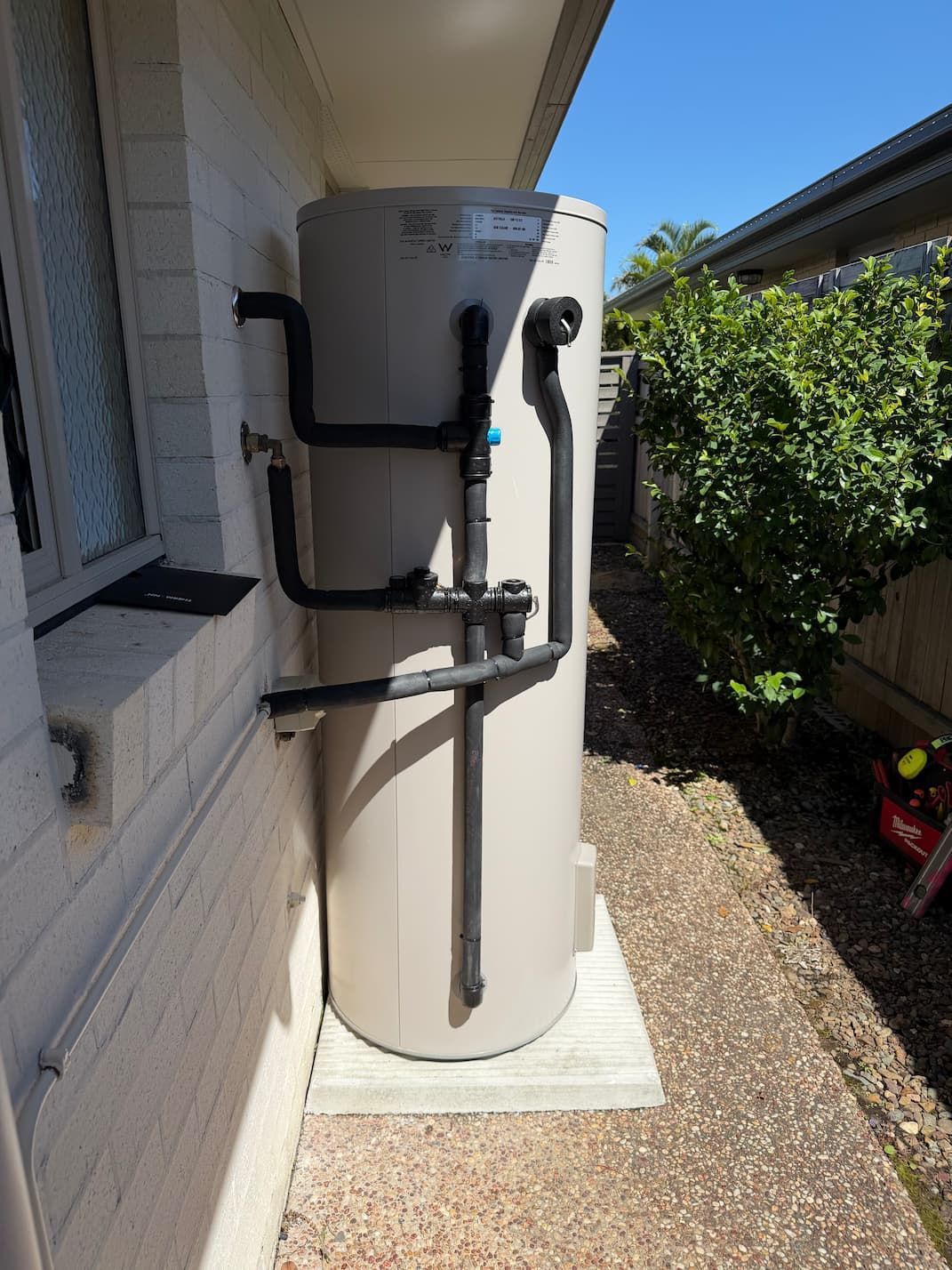
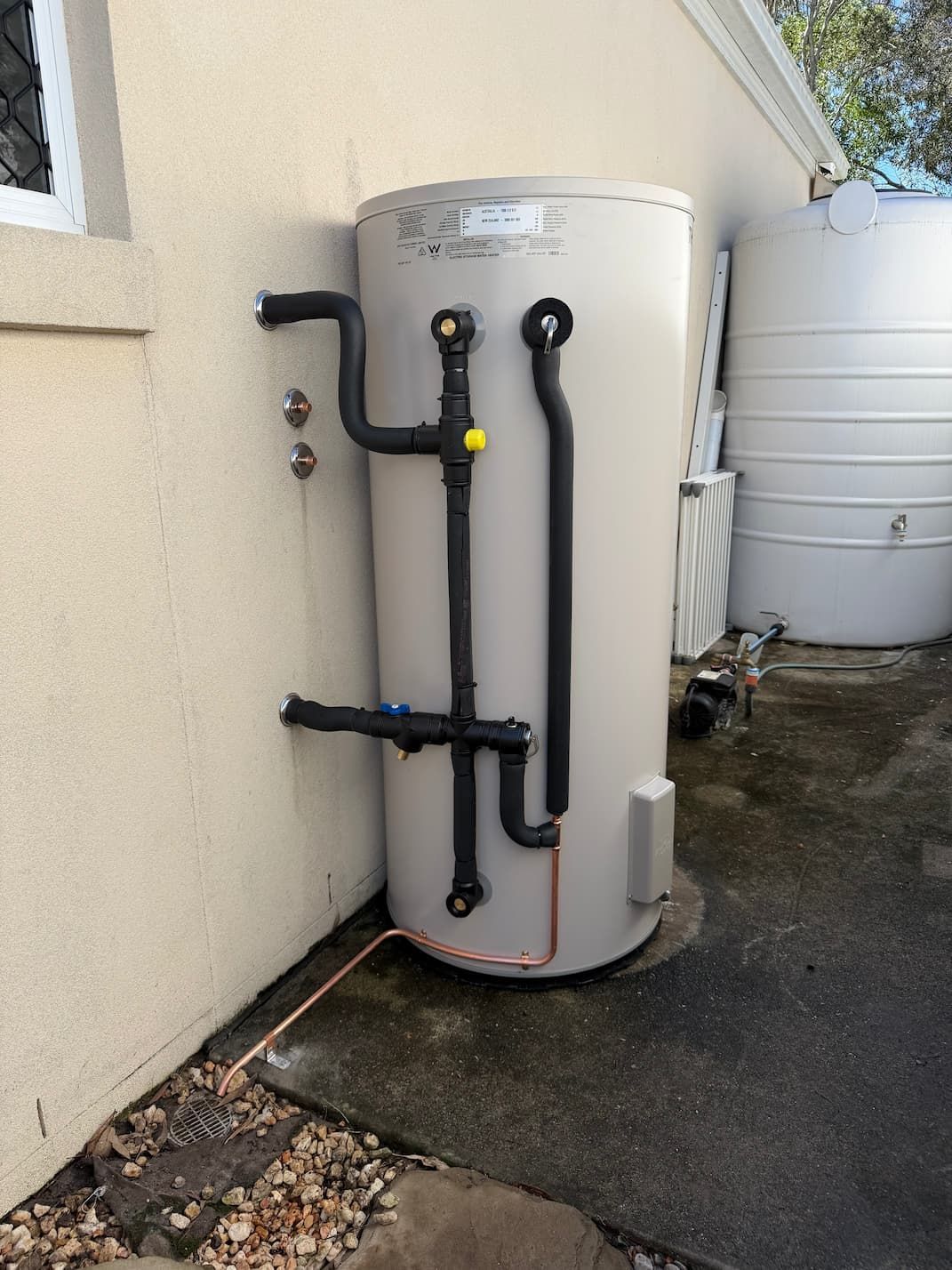
Standard carbon filtration doesn't remove hardness-causing minerals, so if scale build-up is your main issue, you'll want a system specifically designed for it. Water filtration systems for hard water typically use conditioning or softening technology to reduce scale on fittings and protect hot water systems and appliances over the long term.
When bottled or rainwater alternatives make sense
For some households, particularly those in hinterland or semi-rural properties, a rainwater tank can be a practical supplementary water source for irrigation, laundry or even drinking water with the right filtration in place. Bottled water is rarely a long-term solution given the cost and environmental impact, but it can be a reasonable short-term option during a specific taste or odour event while you decide on a permanent fix.
If you're dealing with ongoing water quality concerns, unexplained pressure changes, or you're simply not sure whether the issue sits with the mains supply or your own plumbing, a qualified local plumber can usually diagnose it quickly. Celsius Plumbing's Sunshine Coast plumbing services cover everything from filtration installation to hot water systems and leak detection, backed by over 15 years of local experience and upfront pricing with no surprises.
Frequently Asked Questions
What is the TDS level of tap water in Australia?
TDS (total dissolved solids) levels vary by location and water source across Australia, as they depend on local catchments and treatment processes. If you want an accurate reading for your own tap, a simple at-home TDS test or a water quality report from your local provider will give you the figure specific to your supply.
Which country has the best water quality?
Water quality rankings depend on the testing criteria and organisation doing the comparison, and they change over time as infrastructure and regulations evolve. Australia's drinking water is generally regarded as being held to high regulatory standards, with treated supplies required to meet the Australian Drinking Water Guidelines.
Is it safe to drink tap water in the Sunshine Coast?
Yes, Sunshine Coast tap water is treated and monitored to comply with the Australian Drinking Water Guidelines, making it safe to drink across the region's suburbs. Taste, hardness and odour can vary by area, but these differences are aesthetic rather than a safety concern.
What is the drinking water quality like in Brisbane?
Brisbane's drinking water is treated and regulated under the same Australian Drinking Water Guidelines that apply across South East Queensland, with the city's supply managed as part of the broader regional water grid. For specific compliance data, Brisbane's water provider publishes its own annual water quality reporting.
Written by Justin from Celsius Plumbing
Meet Justin, the owner of Celsius Plumbing. With over 15 years of industry experience, Justin combines technical expertise with a commitment to clear communication and reliable service.