Low Water Pressure: Why It Happens & How to Fix It
Weak flow from your taps or shower usually comes down to one of a handful of causes: a clogged fixture, a faulty pressure regulator, a hidden leak, or an issue with the supply coming into your home. Most of the time you can narrow it down yourself in a few minutes, and often fix it without calling anyone. Here's how to work out what's going on and what to do about it.
What Counts as Low Water Pressure?
Before you can fix low pressure, you need to know what "normal" actually looks like. Not every weak-feeling shower is a plumbing fault, sometimes it's just how the system was set up.
Normal water pressure ranges (psi) explained
Most homes run comfortably between 45 and 60 psi (pounds per square inch). Anything below 40 psi will usually feel noticeably weak, and above 80 psi starts to stress your pipes, fittings, and appliances.
- Below 40 psi: low, likely to affect showers, taps, and appliances
- 45 to 60 psi: the sweet spot for most households
- 60 to 80 psi: still fine, though on the higher side
- Above 80 psi: too high, and a common cause of leaks and premature fitting failure
Signs your water pressure is lower than it should be
You don't always need a gauge to know something's off. Common giveaways include:
- Showers that dribble rather than spray
- Taps that take longer to fill a sink or kettle
- Washing machines or dishwashers running longer cycles than usual
- Multiple fixtures competing, turning on a tap noticeably drops pressure elsewhere
- A sudden change, rather than a gradual one, which often points to a specific fault rather than ageing pipework
How to Diagnose Low Water Pressure
The fix depends entirely on the scope of the problem, so diagnosis comes first. Is it one tap, one room, or every fixture in the house?
Is it one fixture, one room, or the whole house?
Work through the house systematically:
- Test the fixture where you first noticed the problem.
- Test other fixtures in the same room.
- Test fixtures in other parts of the house, including outdoor taps if you have them.
- One fixture only: almost always a local blockage, a clogged aerator, showerhead, or a failing valve at that fixture.
- One room or zone: could be a partially closed valve, a localised pipe issue, or corrosion in that section of pipework.
- Whole house: points to something upstream, your main valve, pressure regulator, water meter, or the municipal supply itself.
How to test your water pressure with a gauge
A pressure gauge from the hardware store (they're inexpensive) screws straight onto an outdoor tap or the washing machine cold water outlet.
- Turn off all other taps and appliances in the house.
- Screw the gauge onto the tap and open it fully.
- Read the psi off the dial.
- Test at a few different times of day, pressure can dip during peak usage periods (early morning and evening).
Checking if the problem is hot water, cold water, or both
This step narrows things down fast:
- Hot water only: the issue is likely at the water heater, sediment buildup, a faulty valve, or a clogged outlet.
- Cold water only: check the cold supply line, main valve, or a fixture-specific blockage.
- Both hot and cold: suggests a shared cause, like the pressure regulator, main valve, or the incoming supply.
Common Causes of Low Water Pressure
Once you know the scope of the problem, these are the usual suspects.
Clogged or corroded pipes (mineral buildup, rust)
Over years, mineral deposits and rust build up on the inside of pipe walls, narrowing the space water can flow through. This is especially common in older homes with galvanised steel pipes and is one of the more common causes of pipe leaks as corrosion weakens pipe walls over time.
Faulty pressure regulator (PRV)
Most homes have a pressure reducing valve (PRV) that controls incoming mains pressure. When it fails, it can either restrict flow too much or let pressure swing unpredictably. A faulty PRV is one of the most common whole-house causes and often needs proper water pressure regulator installation to resolve properly.
Leaks in the plumbing system
A leak anywhere in the system, even a small one, diverts water away from your fixtures and drops pressure everywhere else. Leaks can be hidden behind walls, under slabs, or underground, so they're not always obvious from unusually high water bills or damp patches alone.
Partially closed shut-off or main water valve
Sometimes it really is this simple. Main valves and individual fixture valves can get bumped, or left partially closed after repairs or renovations. Check that your main shut-off (usually near the water meter) is fully open.
Clogged aerators, showerheads, or fixtures
Mineral buildup collects in the small mesh screens inside taps and showerheads, especially in hard water areas. This is the most common single-fixture cause, and the easiest to fix yourself.
Municipal water supply issues or demand peaks
Sometimes the problem isn't your plumbing at all. Water authorities occasionally reduce pressure for maintenance, or supply can dip during peak demand periods (hot summer evenings when everyone's watering the garden, for example). If neighbours report the same issue, it's worth contacting your local water utility.
Old or undersized pipes
Homes built decades ago were often plumbed with narrower pipes than modern standards require, especially if extensions or extra bathrooms have been added since without upgrading the supply line.
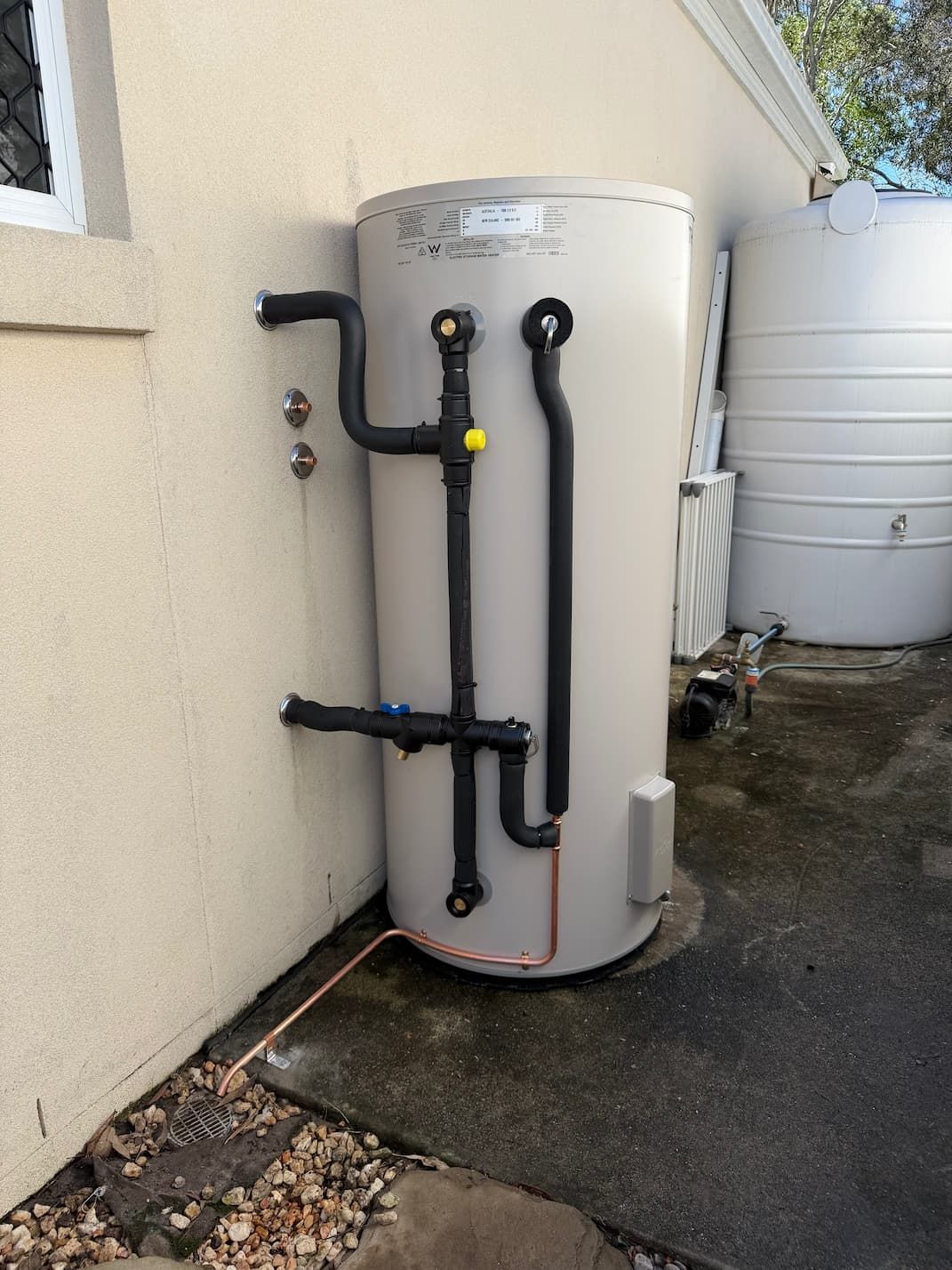
Water heater sediment buildup (hot water pressure specifically)
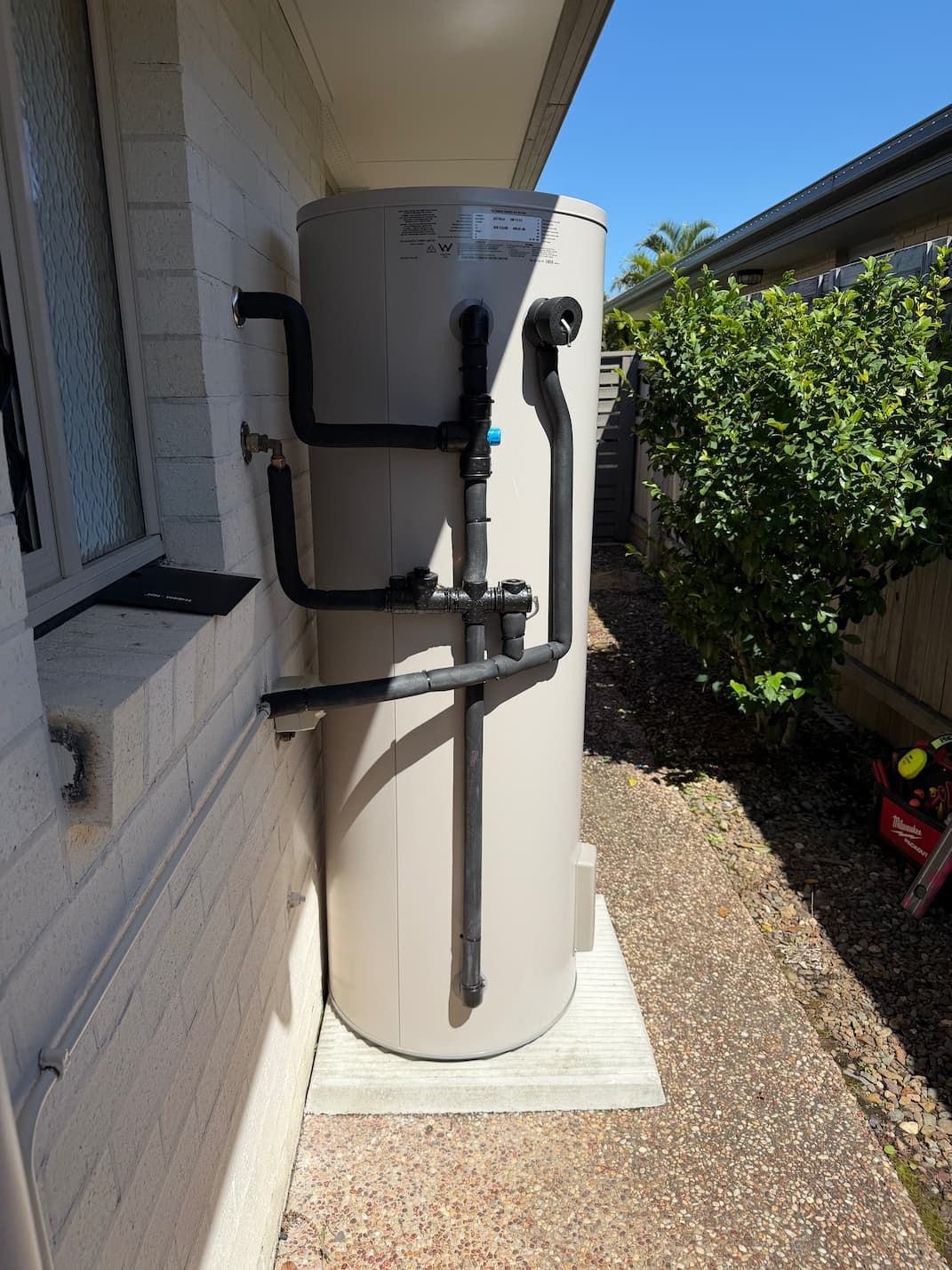
Sediment settles at the bottom of hot water tanks over time, reducing capacity and restricting outlet flow. This is a common reason hot water pressure is noticeably weaker than cold.
Shared or gravity-fed supply issues (for houses on tanks/wells)
Properties relying on tank water or gravity-fed systems can experience low pressure due to tank height, pump issues, or simply low water levels. If you're on rural or acreage supply, this is worth ruling out early.
How to Fix Low Water Pressure
Start with the simple, low-cost checks before considering bigger repairs.
Quick DIY fixes to try first (clean aerators, check valves)
- Check the main shut-off valve is fully open.
- Remove and inspect aerators on affected taps.
- Check individual fixture valves under sinks and behind toilets.
- Test a few different fixtures to confirm whether it's isolated or widespread.
Cleaning or descaling showerheads and faucets
- Unscrew the showerhead or aerator.
- Soak it in a vinegar solution for 30 to 60 minutes to dissolve mineral buildup.
- Use an old toothbrush to clear any remaining debris from the mesh.
- Rinse thoroughly and reattach.
This alone resolves a surprising number of "low pressure" complaints, particularly in hard water areas.
Adjusting or replacing a pressure reducing valve
A PRV can sometimes be adjusted with a wrench to increase pressure slightly, but if it's old, corroded, or failing, adjustment won't hold. At that point it needs replacing, which is a job for a licensed plumber given it involves the main supply line.
Flushing the water heater
Sediment buildup is fixed by draining and flushing the tank:
- Turn off power or gas to the water heater.
- Connect a hose to the drain valve and run it outside or to a drain.
- Turn off the cold water inlet and open the drain valve to empty the tank.
- Flush with fresh water until it runs clear.
- Refill and restore power.
If you're not confident with this process, how to flush your water heater safely is something a licensed plumber can walk you through or handle for you.
Fixing or replacing corroded pipes
Once corrosion has narrowed a pipe significantly, cleaning won't restore flow, the section needs replacing. This is a job that requires proper diagnosis of how far the corrosion extends before quoting a fix.
Installing a water pressure booster pump
If your issue is a genuinely low incoming supply (common on long rural runs, elevated properties, or multi-storey homes), a booster pump can restore usable pressure throughout the house. Choosing the right water pressure booster pump depends on your household's flow rate needs and the number of fixtures running at once, so it's worth getting professional advice before buying one.
When to repair vs. replace plumbing
- Repair: isolated corrosion, a single faulty valve, or a blocked fixture.
- Replace: widespread corrosion, ageing galvanised pipework, or repeated leaks in the same section of pipe.
When to Call a Plumber
Signs of a serious plumbing issue
Call a licensed plumber if you notice:
- Sudden, unexplained drops in pressure across the whole house
- Damp patches, mould, or a musty smell without an obvious source
- Unusually high water bills with no change in usage
- Discoloured water alongside low pressure (a sign of corrosion)
- Pressure that fluctuates wildly rather than staying steady
What a plumber will check that you can't do yourself
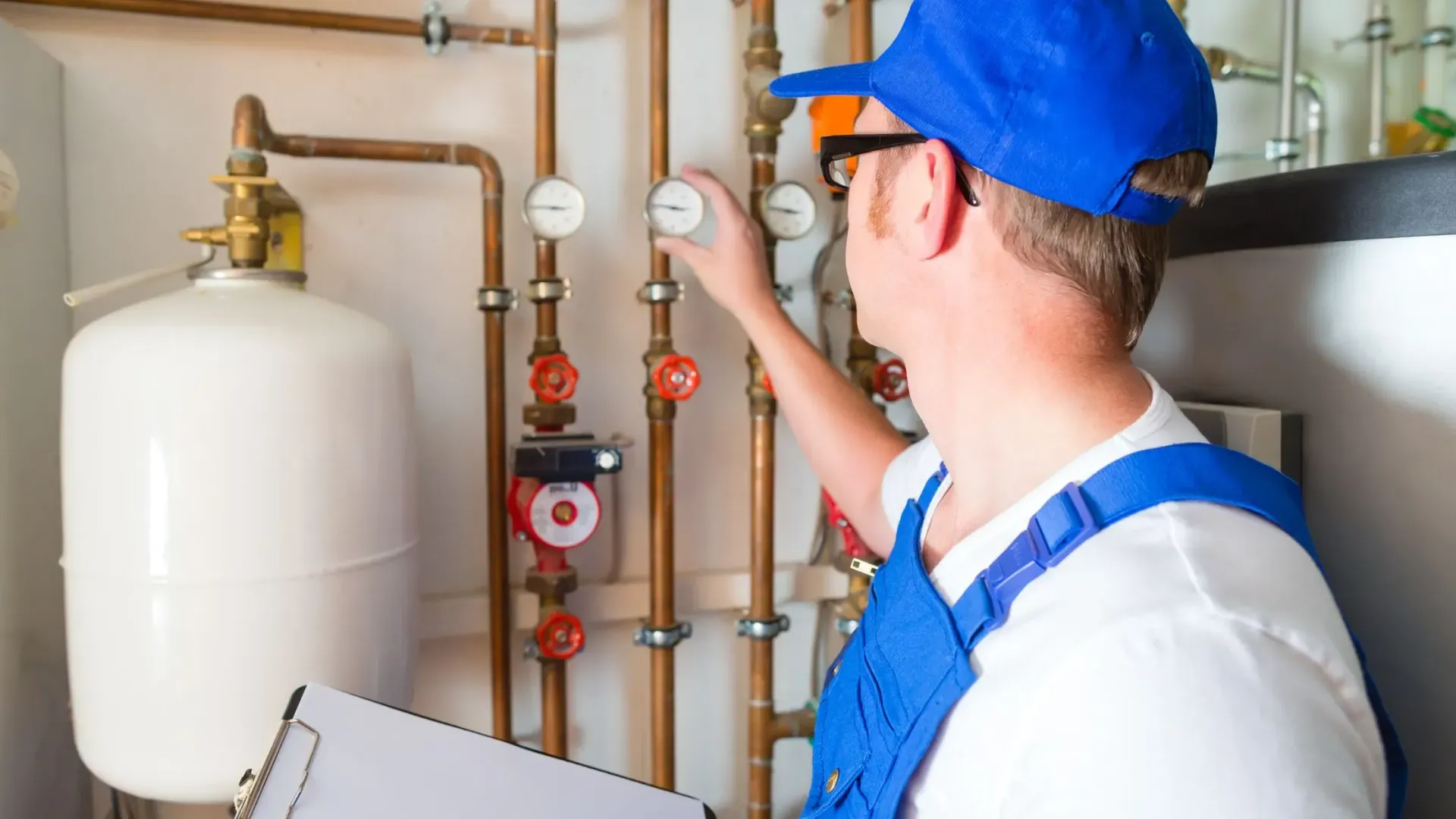
A plumber can pressure-test sections of your system, use leak detection equipment to find hidden leaks behind walls or under slabs, inspect the condition of pipework with a camera, and properly diagnose whether your PRV, water meter, or supply line is at fault. These aren't things you can reliably assess with a home gauge alone.
Typical cost of professional water pressure repairs
Costs vary depending on the cause. A simple valve adjustment or aerator replacement is inexpensive, while PRV replacement, leak repairs, or re-piping a section of the house cost more, largely due to access and labour. A licensed plumber should always give you an upfront, itemised quote before starting work so there are no surprises.
How to Prevent Low Water Pressure in the Future
Regular maintenance tips
- Clean aerators and showerheads every few months, more often in hard water areas
- Flush your water heater annually to prevent sediment buildup
- Have your PRV checked periodically, particularly in homes over 15 to 20 years old
- Keep an eye on water bills for unexplained increases, an early leak indicator
Water quality and pipe material considerations
If your area has hard water, mineral buildup will be an ongoing issue regardless of how often you clean fixtures, a water filter can reduce this at the source. Older homes with galvanised steel pipework are also more prone to corrosion than modern copper or PEX systems, so if you're renovating, upgrading old pipes is worth factoring into the budget rather than waiting for a failure.
Low water pressure is rarely a mystery once you work through it methodically. Start with the simple checks, isolate whether it's one fixture or the whole house, and don't hesitate to bring in a licensed plumber once you're dealing with anything involving the main supply, hidden leaks, or ageing pipework.
Frequently Asked Questions
How do I fix low water pressure myself?
Start by checking that your main shut-off valve is fully open, then clean or descale any clogged aerators and showerheads with a vinegar soak. If the problem persists across multiple fixtures, it's likely a deeper issue like a faulty pressure regulator or a leak, which needs a licensed plumber.
What is the most common cause of low water pressure?
For a single fixture, it's almost always a clogged aerator or showerhead from mineral buildup. For whole-house drops, a faulty pressure reducing valve (PRV) or a hidden leak is the most common culprit.
Can water pressure come back on its own?
Yes, if the cause is a temporary municipal supply issue or a peak demand period, pressure often returns to normal on its own. If it's caused by a fault in your plumbing, like a clogged fixture or failing valve, it won't resolve without a fix.
Why have I suddenly got low water pressure?
A sudden drop usually points to a specific fault rather than general wear, such as a partially closed valve, a new leak, a failing pressure regulator, or a municipal supply issue. Gradual pressure loss over months or years is more often mineral buildup or pipe corrosion.
Written by Justin from Celsius Plumbing
Meet Justin, the owner of Celsius Plumbing. With over 15 years of industry experience, Justin combines technical expertise with a commitment to clear communication and reliable service.