What Is a Tempering Valve and Your Sunshine Coast Home Needs One | Celsius Plumbing
What Is a Tempering Valve?
A tempering valve is a small but critical device that blends hot water from your storage tank with cold water before it reaches your taps and shower. Its job is simple: stop scalding-hot water from ever reaching your family, while still delivering enough heat for comfortable showers and clean dishes.
If you own a home on the Sunshine Coast with a storage hot water system, there's a good chance you already have one fitted, or you should.
Definition and Basic Function
Most hot water storage tanks hold water at 60°C or higher. That temperature kills bacteria like legionella, but it's also hot enough to cause third-degree burns in seconds. A tempering valve sits between the tank and your household pipework, mixing in cold water so the water leaving the outlet sits around 45-50°C, a much safer temperature for showers, basins, and baths.
Think of it as a safety regulator. The hot water system does the heavy lifting of heating and storing water, and the tempering valve makes sure what actually comes out of the tap won't hurt anyone.
Tempering Valve vs Mixing Valve vs Thermostatic Mixing Valve (TMV)
These terms get used interchangeably, but they're not quite the same thing:
- Mixing valve is the broad term for any device that blends hot and cold water.
- Tempering valve is a type of mechanical mixing valve, typically used for single, low-hazard residential applications like a whole house connected to one hot water unit.
- Thermostatic mixing valve (TMV) is a more advanced, precise version that reacts faster to temperature and pressure changes. TMVs are generally required in higher-risk settings, such as aged care facilities, childcare centres, and hospitals, where tighter temperature control is essential.
If you're comparing options for your property, it's worth reading up on the thermostatic mixing valve option before deciding which suits your household.
How Does a Tempering Valve Work?
A tempering valve constantly blends hot and cold water to hold a stable, safe outlet temperature, even when someone else in the house flushes a toilet or runs the washing machine.
The Role of Hot and Cold Water Blending
Inside the valve body, hot water from the tank and cold water from the mains meet at a mixing chamber. A thermostatic element inside expands or contracts depending on the water temperature, adjusting the ratio of hot to cold automatically. The result is water delivered at a consistent, pre-set temperature, regardless of small fluctuations in supply.
Temperature Regulation Mechanism
Most tempering valves are factory-set or adjusted on installation to deliver water at around 45-50°C at the outlet. The internal thermostat monitors the blended water and shifts the valve position in real time. If the hot water tank runs slightly hotter on a cold morning, the valve compensates by letting in a bit more cold water, so what comes out of your shower stays steady.
Why Tempering Valves Are Important
A tempering valve protects people from burns, protects your plumbing system from damage, and helps your hot water unit run more efficiently. That's three jobs from one small fitting.
Preventing Scalding and Burns
This is the big one. Water at 60°C can cause a serious burn in under a second; at 50°C, it takes around five minutes. That difference matters enormously for young kids, elderly residents, and anyone with reduced mobility or sensation. Tempering valves are the reason a household with a scorching-hot storage tank can still run a shower that's safe for a toddler.
Protecting Hot Water Systems and Pipework
Delivering water at a lower, consistent temperature also reduces thermal stress on your tapware, shower fittings, and downstream pipework. Materials expand and contract with heat, so consistently very hot water can shorten the lifespan of seals, washers, and plastic fittings over time.
Energy Efficiency Benefits
Because the tank can still store water at a bacteria-killing 60°C while your taps deliver a comfortable 45-50°C, you get the best of both worlds: safe storage temperatures and no wasted energy trying to lower the tank's overall thermostat setting. You're not sacrificing hygiene for comfort, or comfort for safety.
Are Tempering Valves a Legal Requirement?
Yes, in Queensland, tempering valves (or TMVs) are mandatory on new and replacement storage hot water systems in residential properties. This isn't optional extra safety gear, it's part of the plumbing code.
Building Codes and Regulations (by Region)
Queensland's plumbing regulations, aligned with the national Plumbing Code of Australia, require a tempering valve to be fitted to the outlet of any hot water storage tank serving a bathroom or ensuite in a residential property. This applies across the Sunshine Coast and broader Queensland region. For a deeper look at how these rules apply to your property, our guide on plumbing code compliance breaks down what local homeowners need to know.
When Installation Is Mandatory
You'll need a tempering valve fitted (or checked) when:
- Installing a new hot water storage system
- Replacing an existing hot water unit
- Renovating a bathroom connected to a storage system
- Adding a new bathroom to an existing hot water system
If you're renovating or building on the Sunshine Coast, your plumber will factor this into the job automatically, but it pays to ask upfront so there are no surprises on the invoice.
Types of Tempering Valves
There are two main valve technologies and two installation approaches, and picking the right combination depends on your household and hot water system.
Mechanical Tempering Valves
These are the standard, cost-effective option for most homes. They use a wax or metal thermostatic element that expands with heat to adjust the hot/cold mix. They're reliable for typical residential use but respond a little more slowly to sudden temperature or pressure changes than a TMV.
Thermostatic Mixing Valves (TMVs)
TMVs offer faster, more precise temperature control and are required in higher-risk settings. They cost more upfront but provide tighter tolerance, which matters where vulnerable people are showering or bathing.
Point-of-Use vs Whole-of-House Valves
- Whole-of-house valves are fitted at the hot water system outlet and temper water for the entire home. This is the most common residential setup.
- Point-of-use valves are installed closer to an individual fixture, such as a specific bathroom, and are more common in commercial or aged care settings where different areas need different temperature controls.
Where Tempering Valves Are Installed
Residential Hot Water Systems
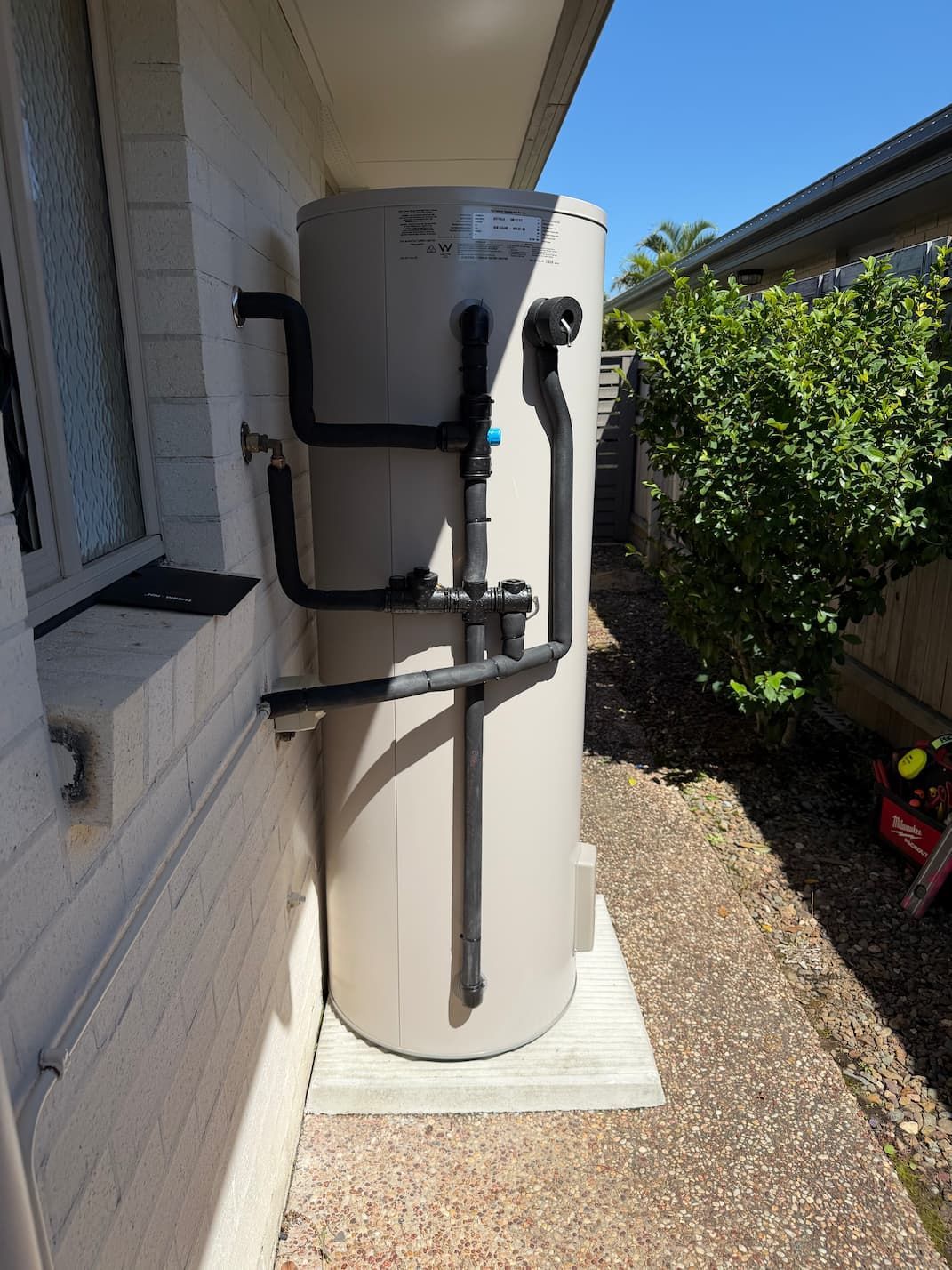
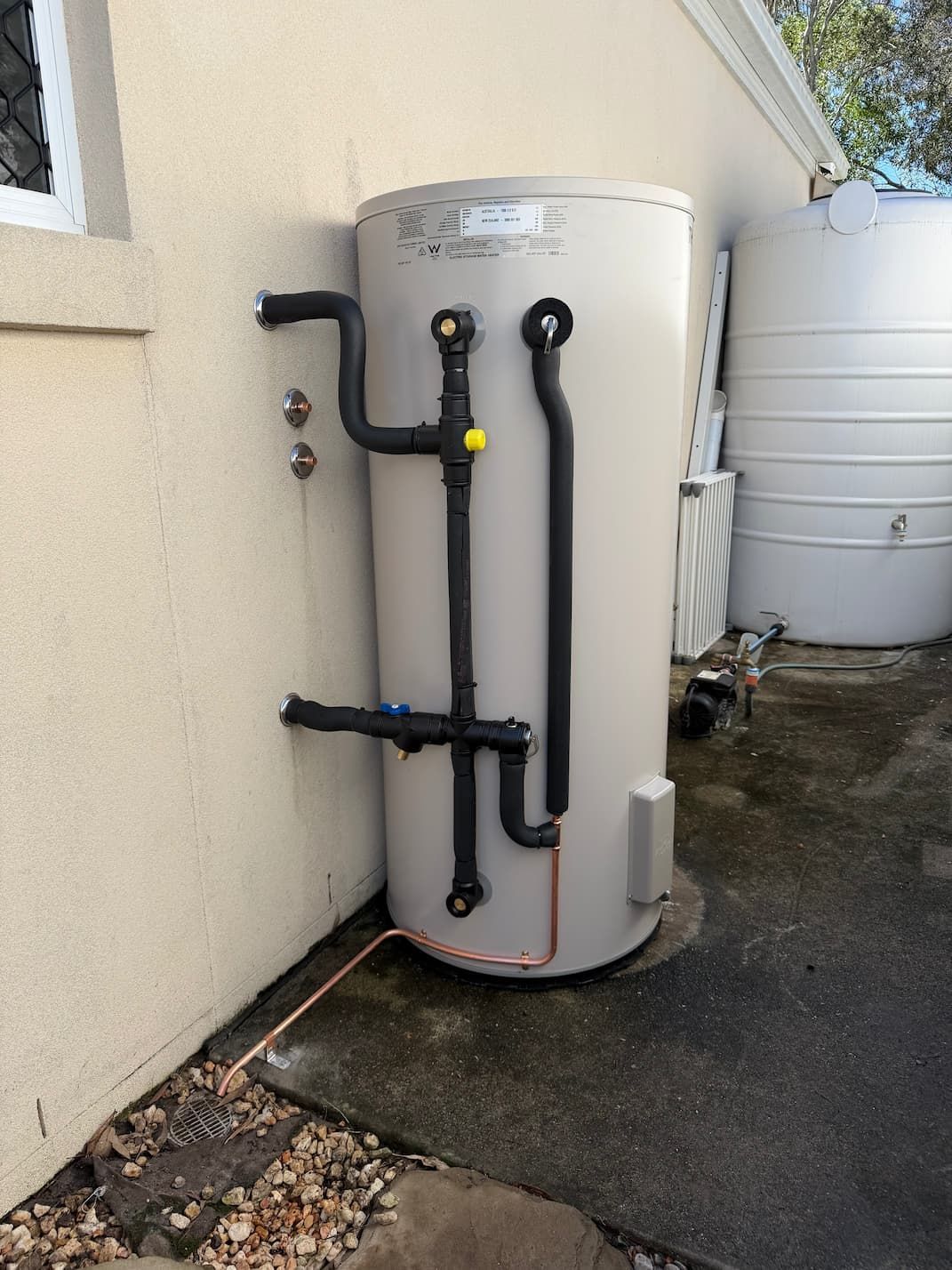
In a typical Sunshine Coast home, the tempering valve is installed directly at (or very close to) the hot water storage tank, before the hot water line branches off to bathrooms and the laundry. It's a compact fitting, usually mounted on or near the tank itself.
Commercial and Aged Care Applications
Commercial properties, childcare centres, and aged care facilities often need multiple TMVs installed at various points to meet stricter Australian Standards (AS 4032 and AS 4092), given the higher vulnerability of occupants. If you manage a commercial property, our commercial plumbing team can advise on what your building needs to stay compliant.
How to Choose the Right Tempering Valve
The right valve depends on your hot water system type, household size, and whether anyone in your home has higher scalding risk.
Key Specifications to Consider
- Flow rate: Make sure the valve can handle your household's peak demand (multiple showers/taps running at once).
- Temperature setting: Standard household valves are set around 45-50°C, but always confirm with your plumber.
- Certification: Look for valves that meet WaterMark certification and relevant Australian Standards.
- Material and build quality: Brass-bodied valves tend to last longer than lower-grade alternatives.
Compatibility with Your Hot Water System
Not every valve suits every setup. Solar, gas, electric, and heat pump systems can all have slightly different pressure and flow characteristics. Before buying, it's worth understanding the different hot water system types so you know what you're pairing the valve with.
Installation Process
DIY vs Professional Installation
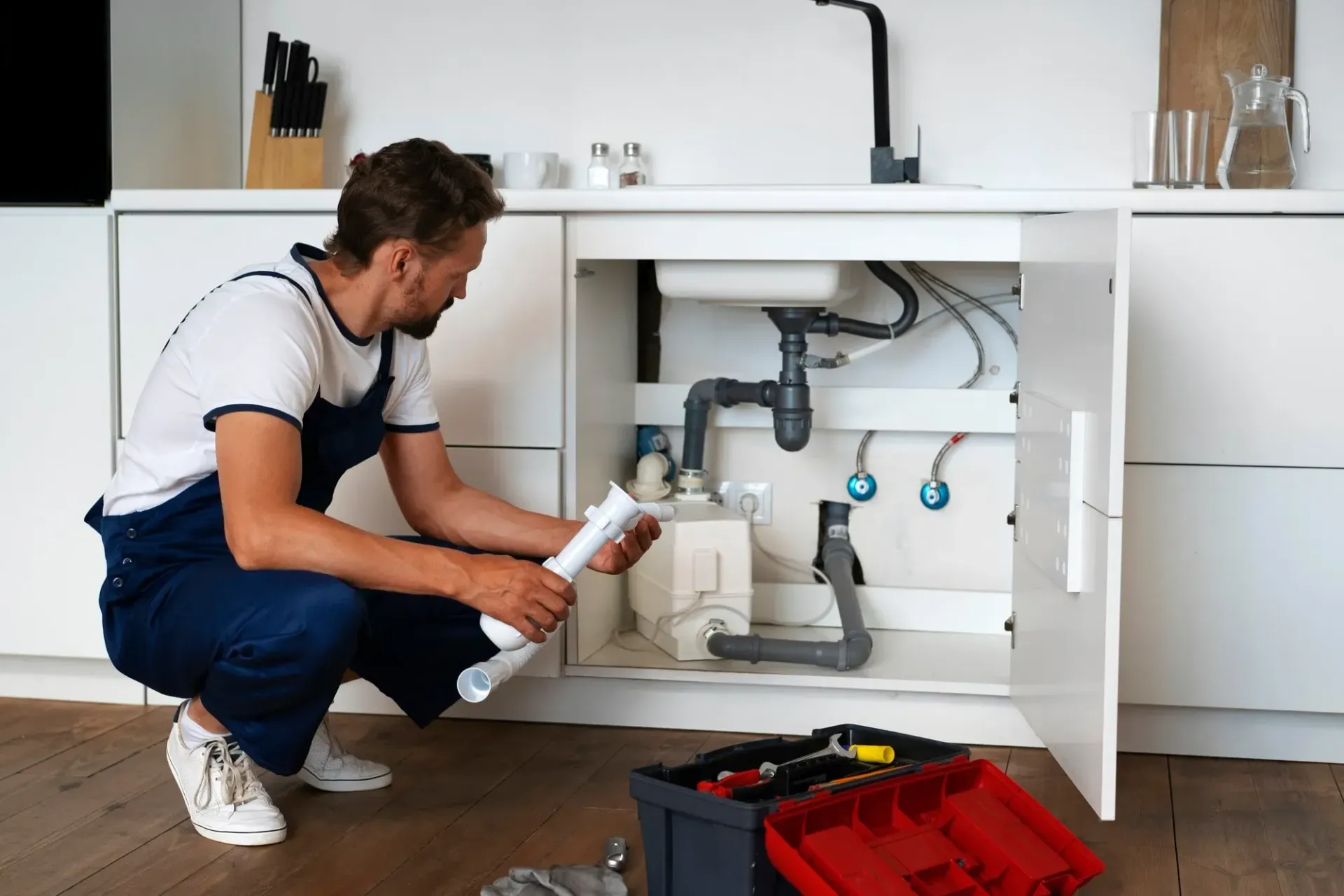
This is not a DIY job. Tempering valve installation involves working with your hot water system's pressure and temperature settings, and it must be installed and commissioned by a licensed plumber to meet Queensland regulations. An incorrectly installed valve can fail to protect against scalding, which defeats the entire purpose of having one.
Step-by-Step Overview
While your plumber handles the technical work, here's roughly what's involved:
- Isolating the hot water system and relieving pressure
- Fitting the tempering valve to the outlet, matched to the correct orientation and connections
- Setting and testing the outlet temperature (typically 45-50°C)
- Checking flow rate at multiple outlets simultaneously
- Issuing compliance documentation for the installation
Maintenance and Common Problems
Signs Your Tempering Valve Needs Servicing
Watch for:
- Water temperature that fluctuates during a shower
- Water that feels hotter or cooler than usual at the tap
- Reduced hot water flow or pressure
- Unusual noises from the valve area near the tank
How Often to Replace a Tempering Valve
Most manufacturers recommend servicing every 12 months and replacement every 5 years, though this can vary depending on water quality and usage. Hard or mineral-heavy water can cause internal components to wear faster, so Sunshine Coast homes on bore or tank water may need more frequent checks.
Troubleshooting Common Issues (No Hot Water, Fluctuating Temps)
If you're getting no hot water or temperatures that swing between hot and cold, the valve's internal
thermostatic element may be worn, stuck, or clogged with sediment. In many cases this is a straightforward fix, but it does require a licensed plumber to diagnose safely and correctly, especially given the regulatory requirements around outlet temperature.
Tempering Valve Cost
Unit Price Range
A standard mechanical tempering valve typically costs somewhere between $80 and $250, depending on brand and specification. Thermostatic mixing valves, given their more precise engineering, generally sit higher, often $150 to $400 or more for commercial-grade units.
Installation and Servicing Costs
Installation costs vary based on your existing plumbing setup, accessibility, and whether any additional pipework changes are needed. As a guide, budget for the valve itself plus a plumber's labour, and always ask for an upfront quote before work begins. If you're weighing this up alongside a full system replacement, our hot water system installation cost guide gives a clearer picture of total budgeting.
Get It Installed Right the First Time
A tempering valve is one of the cheapest, most effective safety upgrades you can make to a home, and in Queensland, it's simply not optional. Whether you're installing a new hot water system, renovating a bathroom, or just noticed your water temperature isn't behaving, it's worth having a licensed plumber check it over.
Celsius Plumbing has been servicing Sunshine Coast homes for over 15 years, with upfront pricing, $0 call-out fees, and 24/7 emergency response when you need it. If you're after peace of mind on your hot water setup, find a licensed plumber near you and get it sorted properly.
Written by Justin from Celsius Plumbing
Meet Justin, the owner of Celsius Plumbing. With over 15 years of industry experience, Justin combines technical expertise with a commitment to clear communication and reliable service.