How To Fix A Leaky Shower Head
A leaking shower head might seem like a minor annoyance, but even a small drip can waste thousands of litres of water each year, increase your water bills, and potentially indicate a larger plumbing issue. As plumbers working throughout the Sunshine Coast, we regularly attend homes where a dripping shower has been ignored for months, only for the problem to become more expensive and difficult to repair.
The good news is that some shower head leaks can be fixed relatively easily. However, it's important to understand what is actually causing the leak before attempting repairs. In many cases, the shower head itself isn't the problem at all. The issue may be hidden behind the wall in the tapware, cartridge, washers, or pipework.
This guide explains the most common causes of a leaking shower head, how each component works, and what steps you can take to fix the problem.
Why Is My Shower Head Leaking?
A shower head should stop flowing completely when turned off. If water continues to drip from the shower head, it usually means water is bypassing a seal somewhere in the system.
Common causes include:
- Worn tap washers
- Faulty mixer cartridges
- Damaged shower head seals
- High water pressure
- Corroded plumbing components
- Mineral build-up
- Faulty spindle assemblies
- Cracked fittings
Identifying the source of the problem is the first step toward a successful repair.
Understanding The Different Parts Of A Shower System
Before attempting repairs, it helps to understand the components involved.
The Shower Head
The shower head is the visible fitting that delivers water into the shower.
Over time, mineral deposits, debris and worn seals can affect its performance. While shower heads occasionally develop faults themselves, they are often blamed for leaks caused elsewhere in the plumbing system.
The Shower Arm
The shower arm is the pipe extending from the wall that connects the plumbing system to the shower head.
Loose threads or damaged seals can sometimes cause water to leak around this connection.
Tap Washers
Traditional shower taps use rubber washers that create a watertight seal when the tap is closed.
Over time, these washers wear down and allow water to pass through even when the tap is fully turned off.
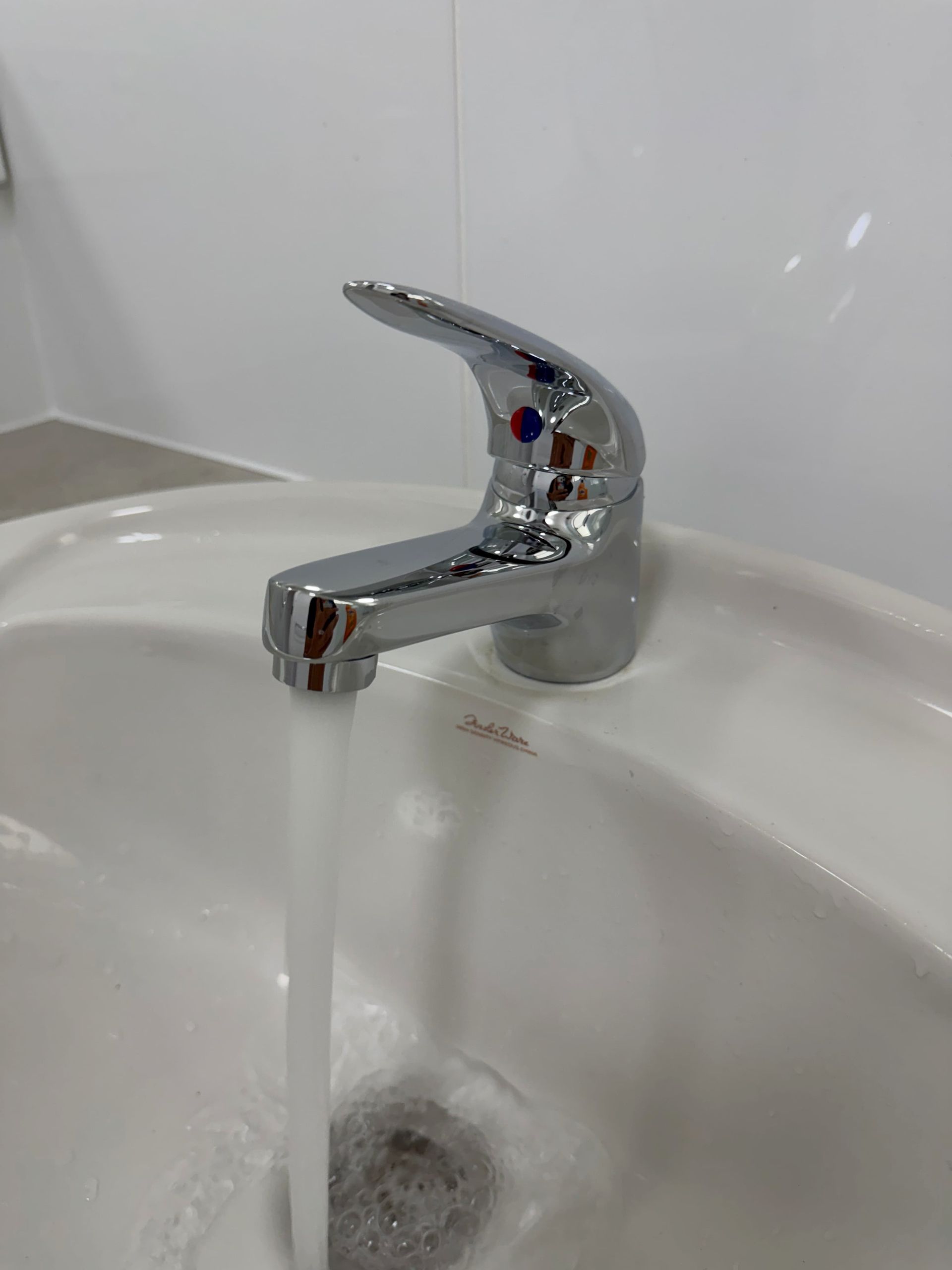
Mixer Cartridges
Modern showers often use mixer taps instead of separate hot and cold taps.
Inside the mixer is a cartridge that controls water flow and temperature.
When cartridges wear out, water can continue passing through to the shower head, causing constant dripping.
Shower Spindles
Traditional tap systems use spindle assemblies to compress washers against a valve seat.
Damaged or worn spindles can prevent the washer from sealing correctly.
Valve Seats
The valve seat is the surface that the washer presses against when the tap is turned off.
If the seat becomes rough, pitted or corroded, even a brand-new washer may fail to stop the leak.
How To Identify The Cause Of A Leaky Shower Head
Different types of leaks often point toward different underlying problems.
Constant Dripping
A steady drip that continues all day and night is usually caused by:
- Worn tap washers
- Damaged cartridges
- Faulty valve seats
Intermittent Dripping
A leak that comes and goes may be caused by:
- Pressure fluctuations
- Thermal expansion
- Minor seal issues
Water Around The Shower Arm
If water appears around the wall connection rather than from the shower head itself, the issue is often:
- Damaged thread tape
- Loose fittings
- Cracked connections
Step 1: Turn Off The Water Supply
Before carrying out any repairs, isolate the water supply.
Depending on your plumbing system, this may involve:
- Turning off the local isolation valve
- Shutting off the main water supply
Never attempt to dismantle shower plumbing while the water remains connected.
Step 2: Inspect The Shower Head
Remove the shower head and inspect it carefully.
Look for:
- Cracks
- Damaged seals
- Mineral deposits
- Corrosion
- Blocked spray nozzles
In some cases, a simple clean may improve performance and reduce minor leaking issues.
Step 3: Clean Mineral Build-Up
The Sunshine Coast's water supply can leave mineral deposits inside shower heads over time.
To remove build-up:
- Remove the shower head.
- Soak it in white vinegar for several hours.
- Use a soft brush to clean nozzles.
- Rinse thoroughly.
While this won't fix internal valve problems, it can improve water flow and overall performance.
Step 4: Replace The Shower Head Washer
Many shower heads contain a small rubber washer where they connect to the shower arm.
A worn or damaged washer can allow water to escape around the fitting.
When replacing:
- Remove the old washer.
- Install a matching replacement.
- Apply fresh thread tape if required.
- Reinstall the shower head securely.
Step 5: Check Traditional Tap Washers
If your shower has separate hot and cold taps, worn washers are one of the most common causes of leaks.
The repair process involves:
- Removing the tap handle.
- Extracting the spindle assembly.
- Replacing the rubber washer.
- Reassembling the tap.
This repair is relatively inexpensive and often resolves persistent dripping.
Expert Insight: Why Replacing The Washer Doesn't Always Work
One of the most common mistakes we see is homeowners replacing a washer only to find the leak returns a few weeks later.
The reason is often a damaged valve seat.
The washer may be new, but if it is sealing against a rough or corroded surface, water can still pass through. In these situations, the valve seat must be resurfaced or repaired to achieve a permanent fix.
Step 6: Inspect Mixer Cartridges
For modern mixer showers, the cartridge is usually the culprit.
Mixer cartridges contain a series of seals and ceramic discs that regulate water flow.
Over time they can:
- Wear out
- Crack
- Become clogged with debris
- Develop internal leaks
Replacing a cartridge generally involves:
- Removing the mixer handle.
- Removing the cover plate.
- Extracting the old cartridge.
- Installing the new cartridge.
- Reassembling the mixer.
Using the correct cartridge for your specific tap brand is essential.
Expert Insight: Not All Cartridges Are Universal
Many Sunshine Coast homeowners are surprised to learn that mixer cartridges vary significantly between manufacturers.
Even cartridges that look similar may have different dimensions or pressure ratings.
Installing the wrong cartridge can create ongoing leaks or affect water temperature control.
Step 7: Check Your Water Pressure
Excessive water pressure can contribute to leaking fixtures throughout the home.
High pressure places additional strain on:
- Cartridges
- Washers
- Flexible hoses
- Tapware seals
If multiple fixtures are leaking or failing prematurely, it may be worth having your water pressure tested by a plumber.
Signs The Leak May Be Behind The Wall
Sometimes the shower head isn't the real problem.
Potential warning signs include:
- Damp walls
- Peeling paint
- Musty odours
- Mould growth
- Water stains
- Soft plasterboard
These symptoms may indicate a concealed plumbing leak requiring professional investigation.
Common Shower Leak Problems We See On The Sunshine Coast
Working across the Sunshine Coast, we frequently encounter several recurring issues.
Corroded Older Tapware
Many older homes still have original tapware that has been exposed to decades of use.
Internal components often become worn beyond simple repair.
Salt Air Corrosion
Properties located close to the coastline can experience accelerated corrosion of metal plumbing components.
This is particularly common in areas such as:
- Caloundra
- Kings Beach
- Mooloolaba
- Marcoola
- Coolum Beach
Ageing Mixer Cartridges
Modern mixers are convenient but eventually require cartridge replacement.
Many leaks in newer homes can be traced directly back to worn cartridges.
Poor Previous Repairs
We regularly find leaking showers that have been temporarily patched rather than properly repaired.
Quick fixes often delay the inevitable and can result in larger repair bills later.
When Should You Replace The Entire Shower Head?
Sometimes replacement is more practical than repair.
Consider replacing the shower head if:
- It is heavily corroded
- It is cracked
- The nozzles are permanently blocked
- It is over 10 years old
- You want improved water efficiency
Modern WELS-rated shower heads can significantly reduce water usage while maintaining excellent water pressure.
When To Call A Professional Plumber
While some minor repairs can be handled by confident DIY homeowners, professional assistance is recommended if:
- The leak persists after repairs
- The mixer cartridge needs replacement
- Water pressure issues are suspected
- There are signs of hidden leaks
- Plumbing components are seized or damaged
- The shower is located in an older property
A qualified plumber can accurately identify the cause and ensure repairs are completed correctly.
Need Help Fixing A Leaky Shower Head On The Sunshine Coast?
A dripping shower head may seem like a small issue, but it can waste water, increase utility bills, and point to larger plumbing problems hidden behind the wall. Whether the issue involves worn washers, a faulty cartridge, excessive water pressure, or ageing plumbing components, identifying the true cause is essential for a lasting repair.
At Celsius Plumbing, we help Sunshine Coast homeowners diagnose and repair leaking showers every day. From simple tap washer replacements through to complex mixer valve repairs, we can quickly identify the problem and provide a reliable solution that keeps your plumbing working properly.
Written by Justin from Celsius Plumbing
Meet Justin, the owner of Celsius Plumbing. With over 15 years of industry experience, Justin combines technical expertise with a commitment to clear communication and reliable service.